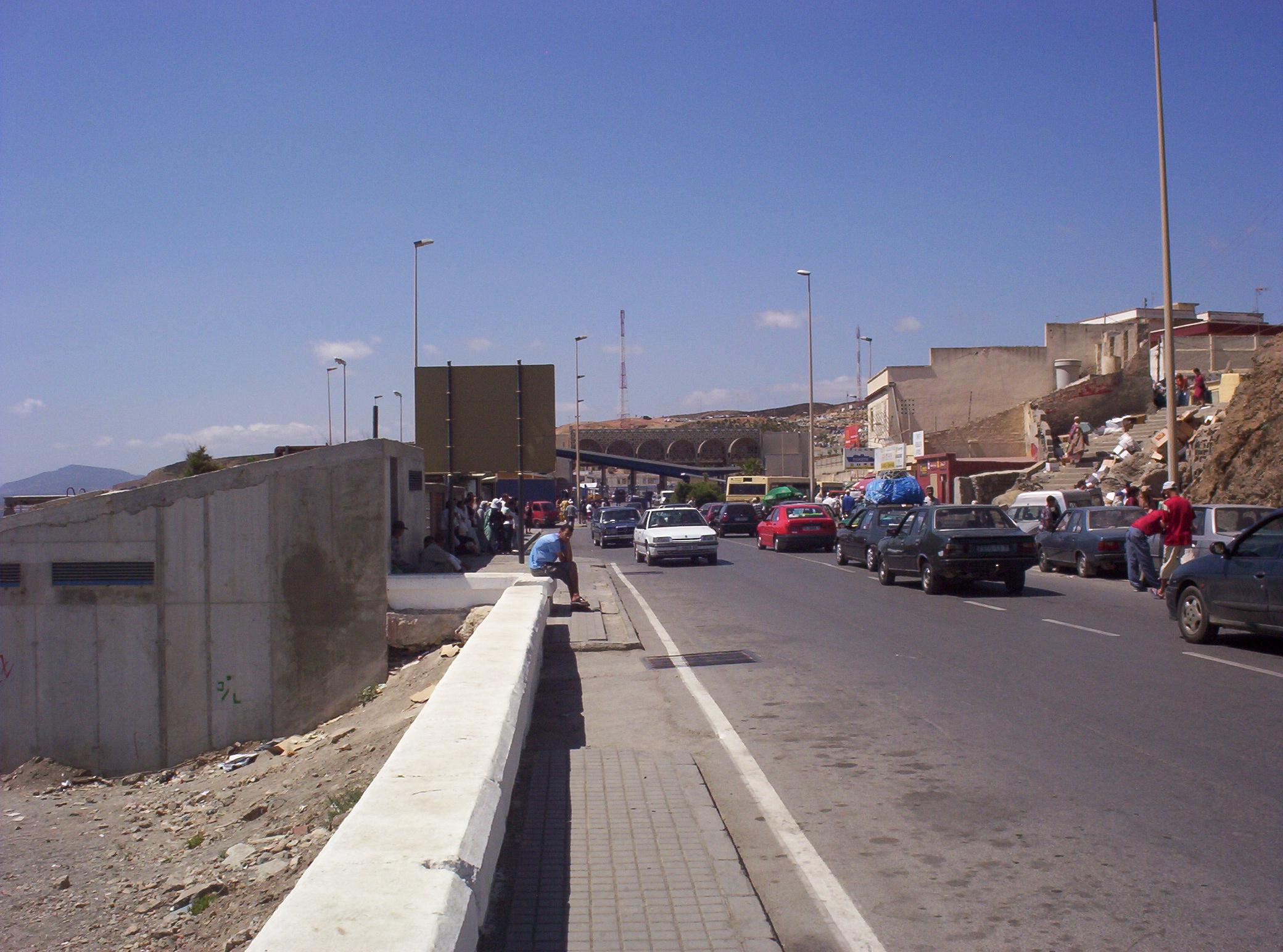
At least 57 people died after approximately 60,000 migrants crossed from Morocco into the Spanish enclave of Ceuta on Thursday [1, 3].
The event marks a severe escalation in regional migration pressures, triggering fears of a humanitarian crisis at one of Europe's most contested entry points.
Spanish officials said that 60,000 people breached the border within a 24-hour window [1]. The surge led to chaotic scenes as migrants attempted to enter the North African coast territory to reach the European Union. While some reports initially cited death tolls of 18 [5] or 19 [4], officials later said that at least 57 people died during the crossing [3].
Spanish authorities worked to manage the influx on Thursday and Friday. By Friday, approximately 45,000 of the migrants had returned to Morocco [2]. The rapid movement of thousands of people through the border checkpoints created dangerous conditions that contributed to the fatalities.
Ceuta remains a critical flashpoint for migration due to its geography as a Spanish territory bordering Morocco. The mass crossing puts significant pressure on the diplomatic relations between Spain and Morocco, two nations that frequently negotiate border security and migration controls.
Authorities in Ceuta have focused on the immediate aftermath, including the recovery of bodies and the processing of those who remained after the bulk of the group returned to Morocco. The disparity in early death toll reports reflects the volatility of the scene as officials attempted to verify casualties amidst the crowd [3, 4, 5].
“At least 57 people died after approximately 60,000 migrants crossed from Morocco into the Spanish enclave of Ceuta”
The scale of this breach demonstrates the fragility of border controls in the Ceuta enclave and the desperation of migrants seeking entry into Europe. The significant discrepancy in early casualty reports suggests a chaotic operational environment, while the rapid return of 45,000 people indicates a coordinated effort by Spanish and Moroccan authorities to prevent a permanent settlement of migrants within the enclave.


