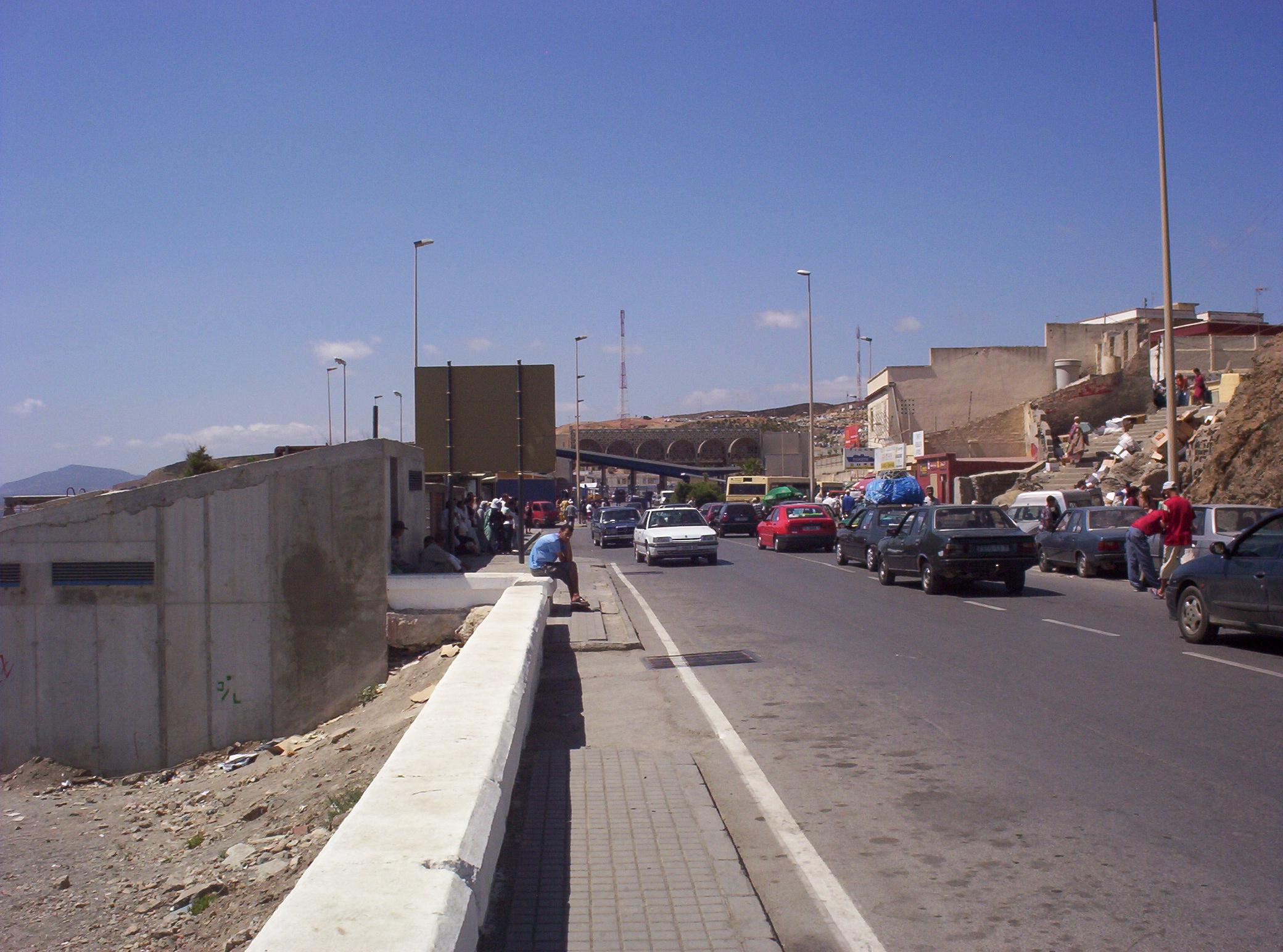
Residents of the Spanish enclave of Ceuta applauded military soldiers as they escorted migrants who had entered the city [1].
The event marks a critical moment in border security and regional stability, as the sudden influx of thousands of people overwhelmed local services and strained the infrastructure of the north African coast outpost [3].
Approximately 60,000 migrants crossed into Ceuta in the past 48 hours [1]. This surge nearly doubled the city's population [1]. The breach created an immediate humanitarian and security crisis, prompting the deployment of military personnel to restore order and ensure security [3].
According to reports, at least 86 people died during the crossings [1]. The scale of the movement forced a rapid response from Spanish and Moroccan authorities to manage the flow of people, and maintain control of the border area.
Efforts to stabilize the region have resulted in the return of 53,000 migrants to Morocco [2]. The military escort of these individuals through the streets of Ceuta was met with public support from local citizens, who cheered as the soldiers moved the groups toward the border.
The operation follows a period of intense pressure on the enclave's perimeter. The presence of the military served to prevent further breaches and to facilitate the organized removal of those who had entered the city without authorization [3].
“Approximately 60,000 migrants crossed into Ceuta in the past 48 hours”
The scale of this breach and the subsequent public reaction highlight the extreme tension surrounding migration routes into Europe. The fact that the influx nearly doubled the local population in two days demonstrates the vulnerability of small enclaves to mass movements, while the residents' applause for the military suggests a local priority for security and the restoration of order over the humanitarian aspects of the migration crisis.


