At least 57 migrants died during a mass attempt to enter the Spanish enclave of Ceuta from Morocco on Thursday [2].
The scale of the crossing represents a significant security crisis for both nations, forcing an immediate and coordinated reinforcement of border infrastructure to prevent further casualties.
Approximately 60,000 migrants attempted to cross into the territory on Thursday [1]. The surge led to chaotic scenes at the border, resulting in the reported deaths [2]. In response to the breach, Spanish and Moroccan authorities worked to reinforce the border fence on Friday [1].
This event follows a series of smaller incursions earlier in the week. On Monday, around 3,000 Moroccan migrants crossed into the enclave [3]. Officials said that one-third of those 3,000 individuals were presumed minors [3].
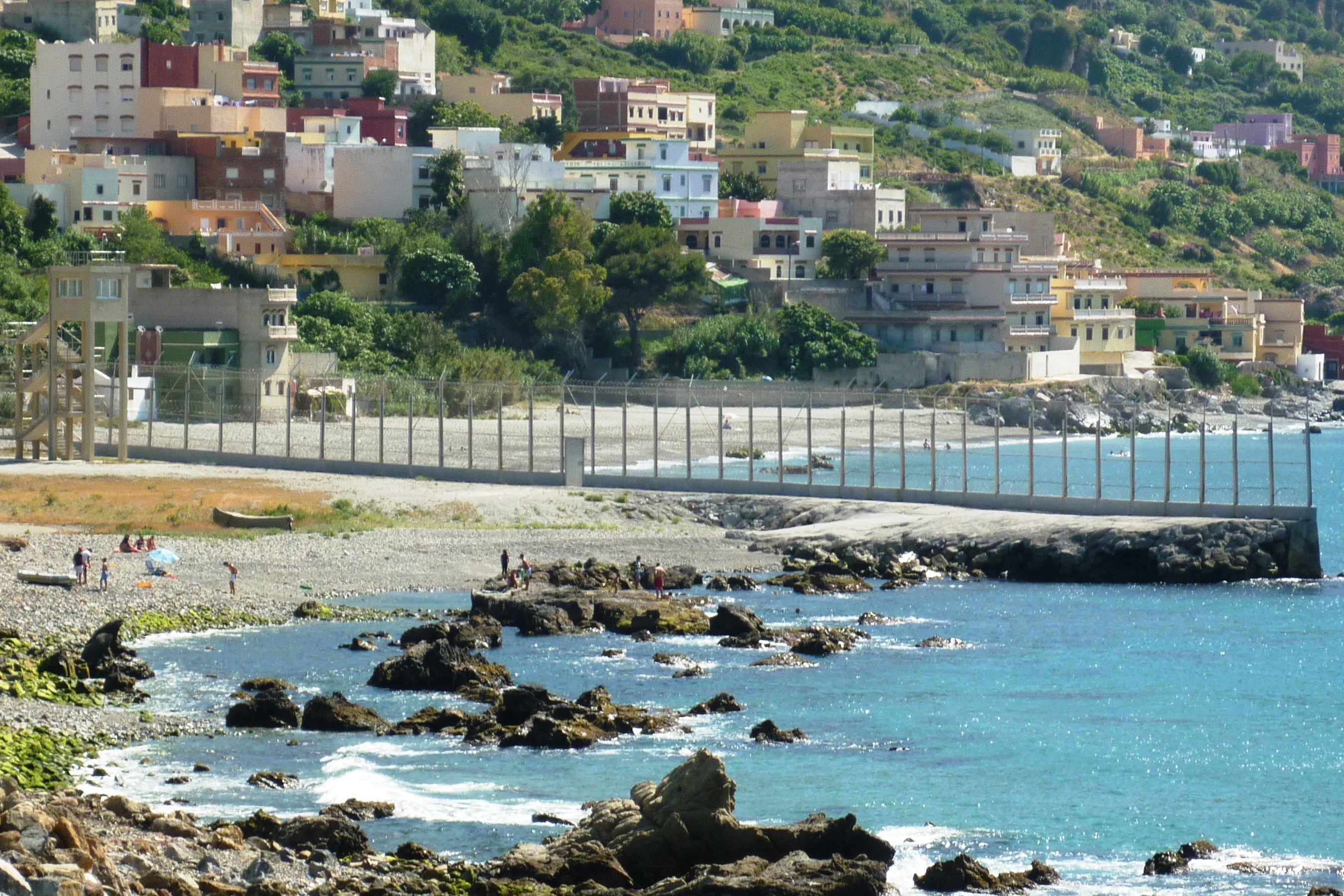
Ceuta is a Spanish enclave located on the north coast of Africa. Because it is Spanish territory, it serves as a gateway to the European Union for those seeking to leave Morocco. The border fence is the primary barrier preventing unauthorized entry into the EU.
The sudden influx of tens of thousands of people overwhelmed local security forces. The coordinated effort by Spain and Morocco to secure the perimeter on Friday aimed to stabilize the region and stop the flow of people through the fence [1].
“At least 57 migrants have died during the crossing attempt”
The volatility of the Ceuta border highlights the ongoing tension between migration pressures in North Africa and the European Union's commitment to external border security. The rapid shift from a few thousand crossings on Monday to 60,000 on Thursday suggests a breakdown in regional containment or a coordinated movement of people, prompting a more aggressive physical fortification of the border.


