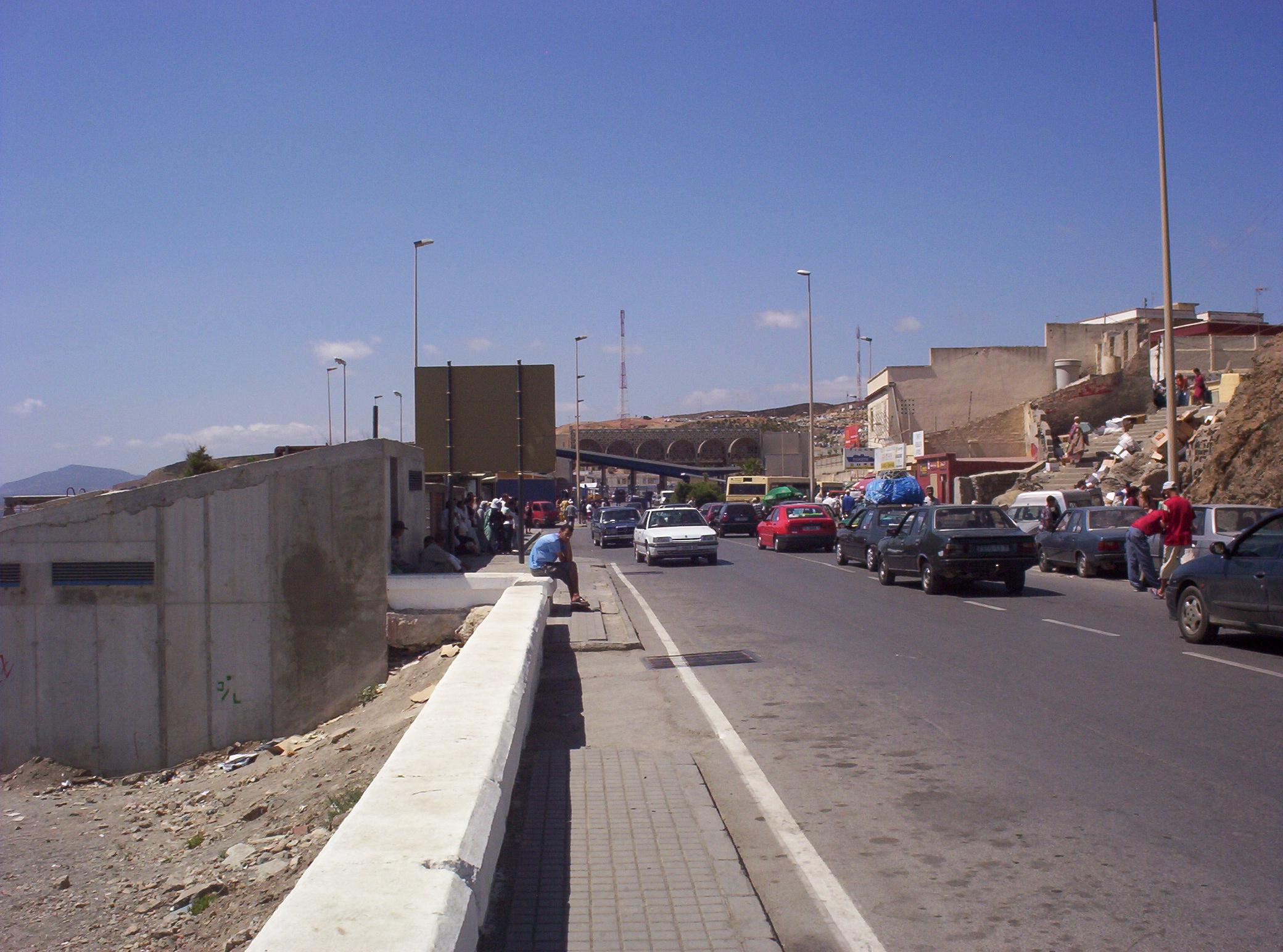
Migrants continue to return from El Tarajal beach in Ceuta to Morocco as authorities manage a mass crossing crisis [1], [2].
The situation underscores the volatile nature of the border between Spain and Morocco, where sudden surges of migrants create humanitarian and security challenges for both nations.
Thousands of people attempted to cross the border into the Spanish enclave in recent days [2]. The movement has centered on El Tarajal beach, where the Spanish Guardia Civil and Armed Forces have been deployed to maintain order and coordinate the return of individuals to Moroccan territory [1], [3].
Reports indicate that approximately 800 migrants have been camped near the Ceuta Center for the Reception of Immigrants (CETI) [3]. The influx of people has put significant pressure on local infrastructure and emergency services, leading to the current operation to return those who entered illegally back across the border [1], [2].
The crisis is characterized by a cycle of mass arrivals and subsequent removals. Authorities in Ceuta are working to stabilize the perimeter while ensuring that the return process is managed according to existing protocols [1], [3].
This movement of people is part of a broader migratory trend where young Moroccans seek entry into the European Union via the small Spanish exclaves of Ceuta and Melilla [3]. The current surge has prompted a high-alert response from Spanish security forces to prevent further unauthorized entries and manage the existing population of migrants at the border [1], [2].
“Thousands of people attempted to cross the border into the Spanish enclave in recent days.”
The recurring nature of these mass crossings highlights the fragility of the migration agreements between Spain and Morocco. By focusing on the rapid return of migrants from El Tarajal beach, Spain aims to deter future attempts and prevent the establishment of permanent informal settlements, though the underlying socio-economic drivers in Morocco continue to fuel these surges.


