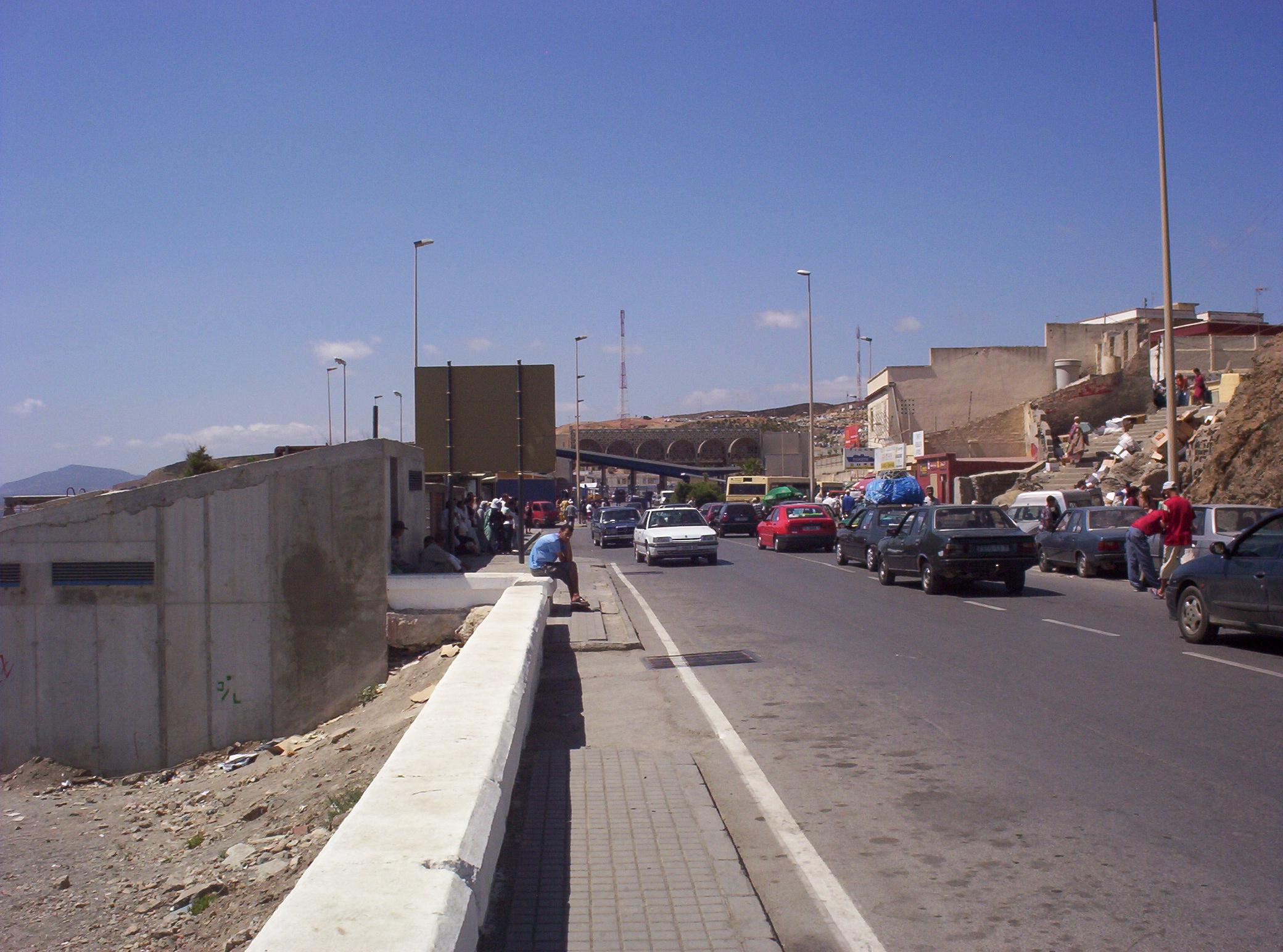
Approximately 60,000 migrants crossed the border from Morocco into the Spanish enclave of Ceuta over several days this week [1].
The sudden influx has overwhelmed the small North African territory, sparking a humanitarian crisis and prompting diplomatic responses from Spain and France.
Ceuta has a total population of 80,000 [1]. The scale of the crossing means the number of arrivals nearly equaled the entire local population in a matter of days. Reports indicate that 34 people died while attempting to cross the border [1].
While some sources report more than 50,000 entrants [2], other reports place the figure as high as 60,000 [1]. The surge has put the Spanish administration under significant pressure to manage the border and provide immediate aid to those who entered.
Efforts to return migrants to Morocco are underway, though figures on those departures vary significantly. One report indicates that 48,000 people have already returned to Morocco [4], while another source states the number is 25,000 [3].
French President Emmanuel Macron said that France is ready to provide support to Spain to manage the situation [3]. The event has led to increased scrutiny of border security and migration patterns between North Africa and the European Union.
“Approximately 60,000 migrants crossed the border from Morocco into the Spanish enclave of Ceuta”
The scale of this crossing demonstrates the fragility of the border between Morocco and the Spanish enclaves. By nearly doubling the population of Ceuta in a few days, the event tests the limits of local infrastructure and forces the European Union to balance humanitarian obligations with border security. The disparity in returnee numbers suggests a chaotic processing environment and highlights the diplomatic tension between Spain and Morocco regarding migration control.