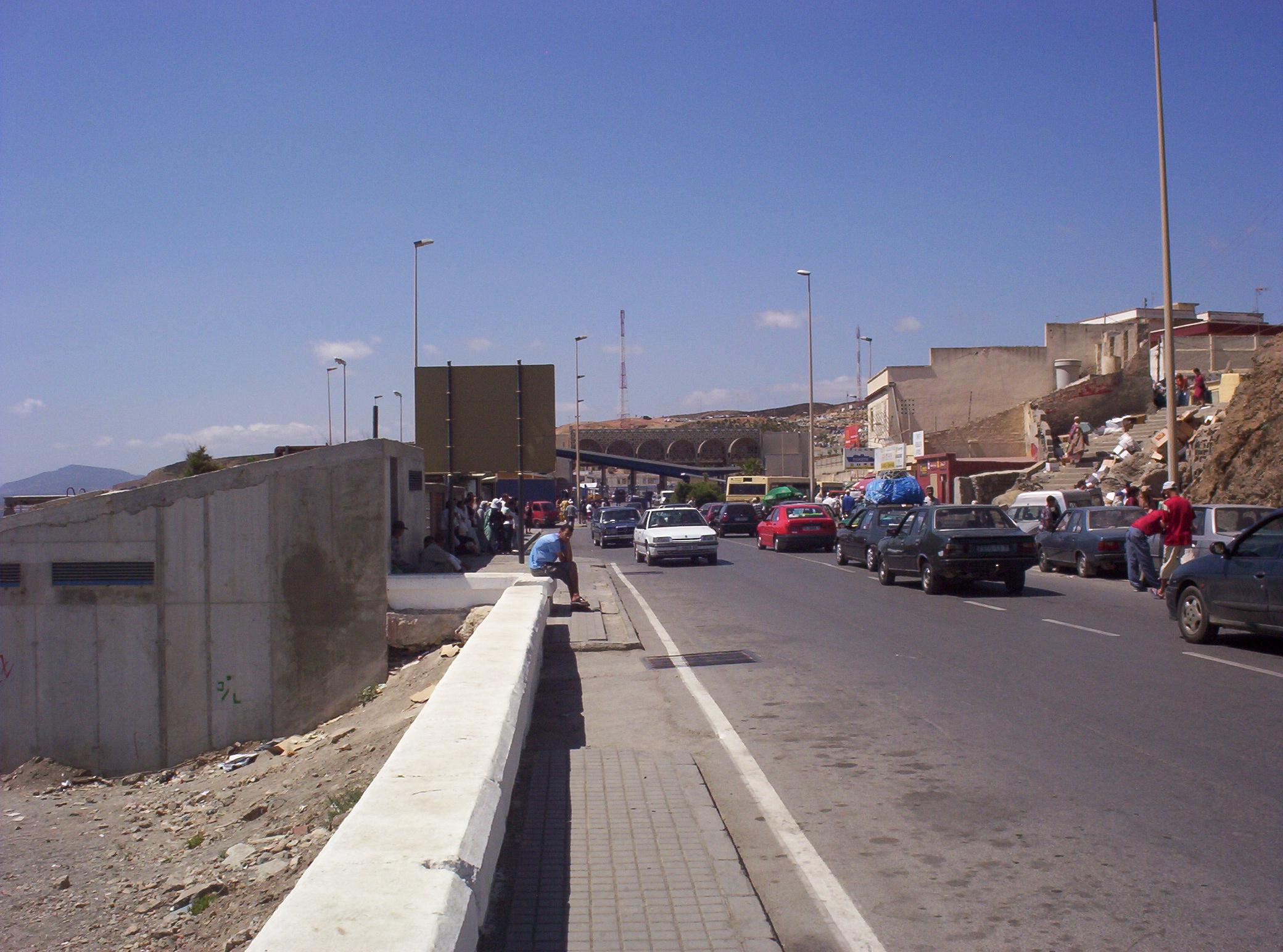
Thousands of migrants crossed from Morocco into the Spanish enclave of Ceuta starting Thursday, July 30, 2026 [1].
This surge creates a critical humanitarian crisis at one of Europe's most sensitive southern borders, testing the security infrastructure of the Schengen Area and the diplomatic relations between Spain and Morocco.
Reports indicate that around 50,000 people had crossed the border since Thursday morning [1]. The movement involved migrants jumping the border fence and attempting various sea routes to enter the territory [2]. Spanish authorities responded by deploying troops and police to manage the crowds and secure the perimeter [3].
While thousands successfully entered the enclave, the effort was met with significant resistance. Approximately 48,300 migrants had already been turned back by security forces [1]. The desperation of the crossing has resulted in a high human cost, with at least 67 people dying during the crossing attempts [4].
Migrants are moving on foot toward the enclave in search of safety, employment, or improved living conditions [1], [3]. The scale of the movement has been described as a mass crossing, with tens of thousands of people attempting to breach the border in a short window of time [5].
Spanish security forces continue to monitor the border fence, where migrants have been seen climbing over the barriers to reach European soil [2]. The deployment of military personnel reflects the scale of the surge and the perceived need for reinforced border control to prevent further unauthorized entries.
“Around 50,000 people had crossed the border since Thursday morning”
The scale of this crossing underscores the persistent instability of migration routes into Europe and the vulnerability of the Ceuta border. The use of military force to manage the surge suggests that standard police measures were insufficient for the volume of people, while the high death toll highlights the extreme risks migrants take to enter the European Union.

