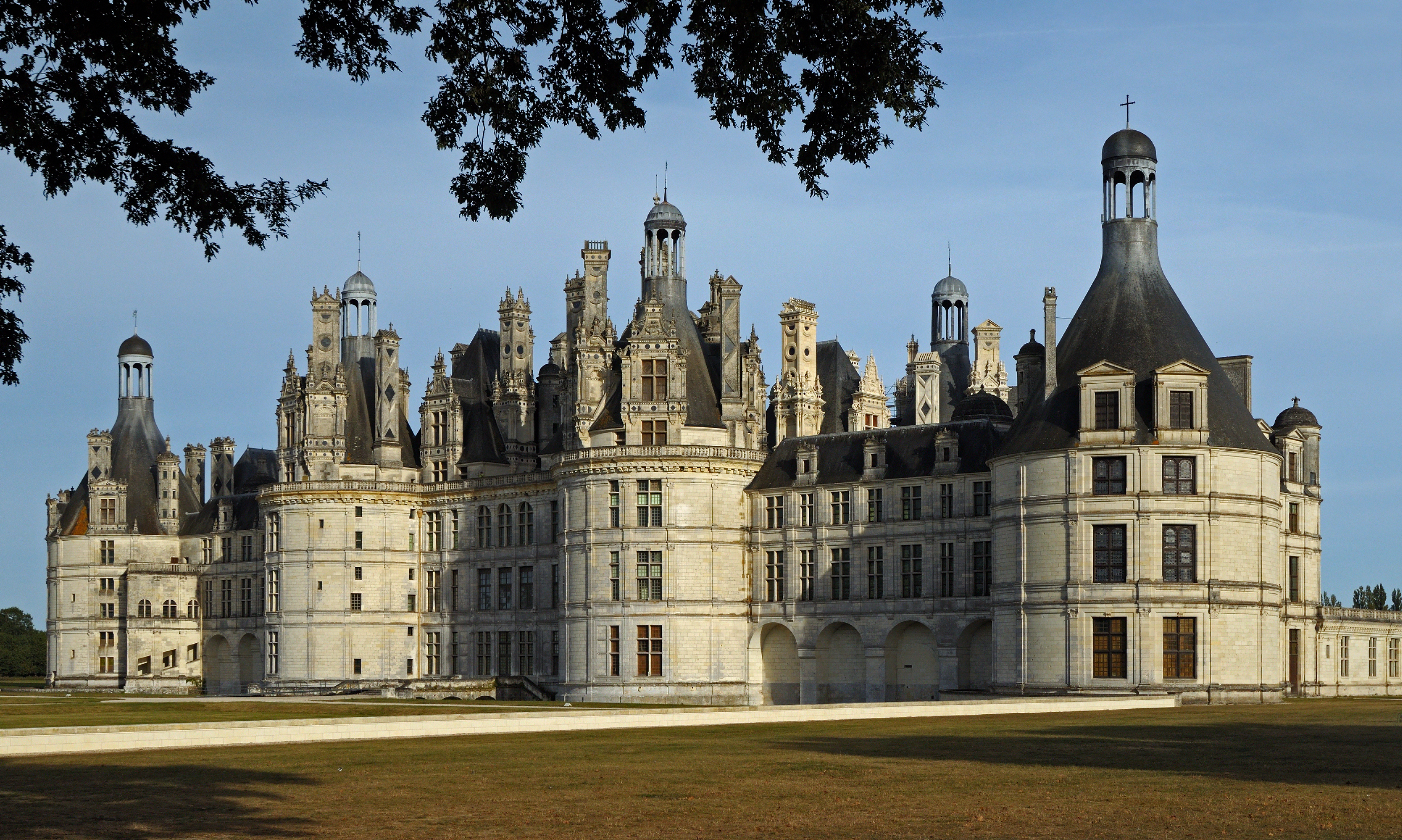
A new ARTE documentary investigates the design of the Château de Chambord and the potential influence of Leonardo da Vinci on the structure [1].
The film seeks to resolve a long-standing historical mystery regarding the identity of the castle's architect. By examining the symbolic intentions of the monarchy, the project highlights how the intersection of royal ambition and artistic genius shaped one of France's most prestigious landmarks [2].
The documentary focuses on the relationship between King François I, who lived from 1494 to 1547 [2], and the Italian master Leonardo da Vinci. It explores the King's original vision for a hunting lodge and how that concept evolved into a sprawling architectural achievement in the Loire Valley [1].
Historical context provided in the study links the project to the political climate of the early 16th century. Specifically, the film references 1515 [2], the year François I returned victoriously from the Battle of Marignano, as a pivotal moment for the King's prestige and his desire for a monument that reflected his power.
Modern researchers are featured in the film to provide a contemporary analysis of the castle's layout. These experts examine sketches and architectural anomalies to determine if da Vinci's fingerprints are present in the final construction [1]. The investigation weighs the symbolic geometry of the building against the known artistic tendencies of the Renaissance master.
The documentary, titled "Chambord – Le château, le roi et l’architecte," is available for online viewing through Feb. 28, 2027 [1].
“The film seeks to resolve a long-standing historical mystery regarding the identity of the castle's architect.”
The continued academic and cinematic interest in the Château de Chambord underscores the enduring mystery of Renaissance attribution. By linking the architectural design to the specific political triumphs of François I and the theoretical sketches of da Vinci, the documentary frames the castle not just as a residence, but as a piece of political propaganda and intellectual experimentation.


