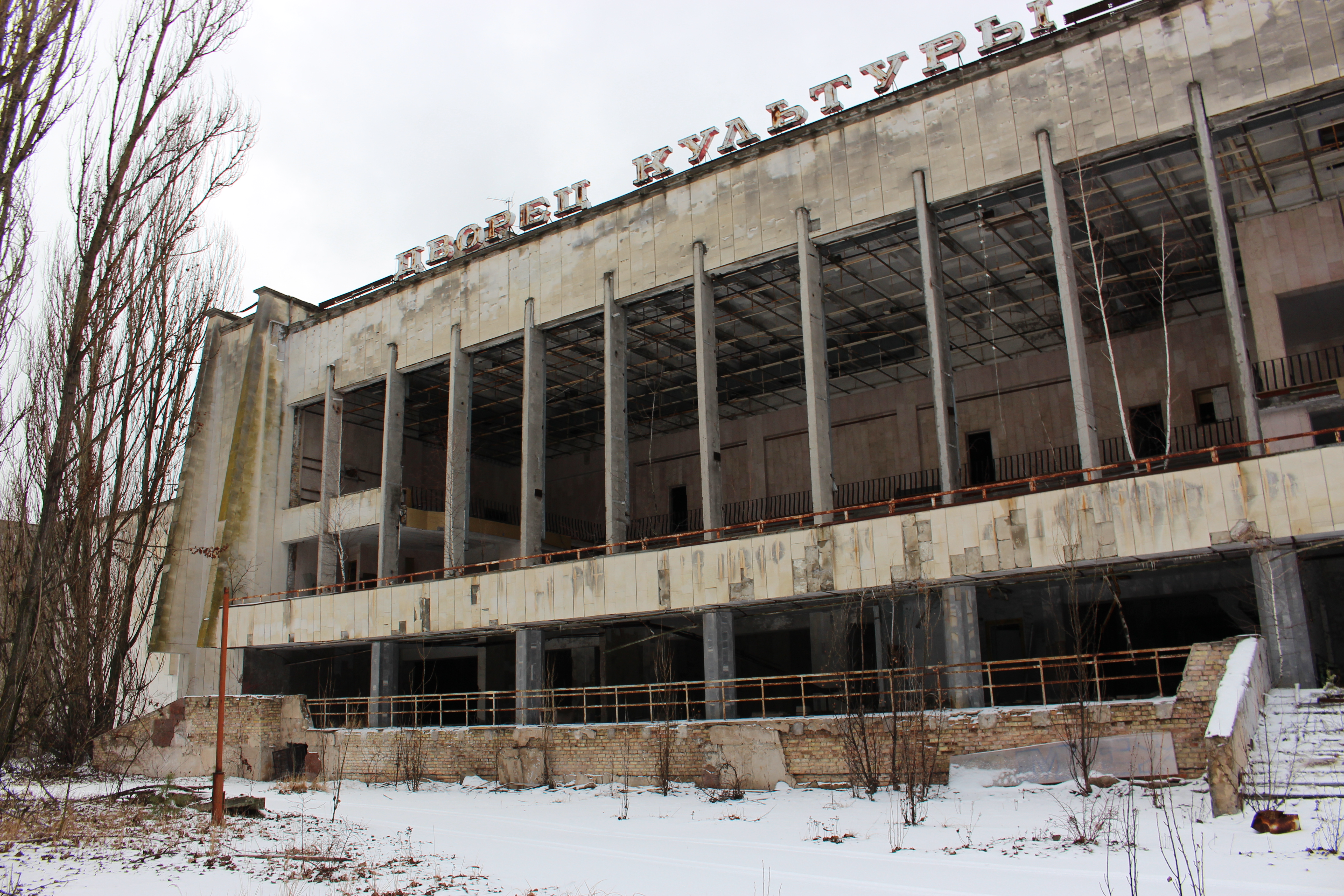
AFP journalists visited the interior of the Chernobyl nuclear power plant on April 26, 2026, to document the site's current condition [1].
This visit marks the 40th anniversary of the original disaster, providing a rare visual record of the facility's decay and the impact of recent conflict in the region [1, 2].
Photographer Genya Savilov and video coordinator Maryke Vermaak entered the facility to film inside the sarcophagus [1]. Their reporting highlights the physical deterioration of the site, including rusted steel, and control panels that have remained untouched for four decades [1].
"We’re inside the sarcophagus, seeing the rusted steel and the ghostly glow of control panels that have been untouched for four decades," Savilov said [1].
The original disaster occurred on April 26, 1986 [3]. According to reports, the event began at 1:23 a.m. when Unit 4 of the generation facility experienced an explosion and meltdown [3]. This event is widely cited as the world's worst nuclear disaster [3].
While the site has been under containment for years, the interior remains dangerous. A technology reporter for MSN previously described the shattered remains of reactor 4 as one of the most inhospitable places on Earth [4].
The AFP team used the anniversary as an opportunity to provide updated visual reporting on the plant's state. Their documentation includes damage linked to the recent Russian-Ukrainian conflict, adding a new layer of instability to a site already defined by its radioactive legacy [1].
“The world's worst nuclear disaster began 40 years ago at 1:23 a.m. on April 26, 1986.”
The documentation of the Chernobyl plant 40 years after the meltdown underscores the permanent nature of nuclear contamination and the vulnerability of containment structures. By linking the site's current state to the Russian-Ukrainian conflict, the reporting highlights how geopolitical instability can jeopardize the safety of high-risk legacy sites, transforming a historical disaster zone into a modern security concern.


