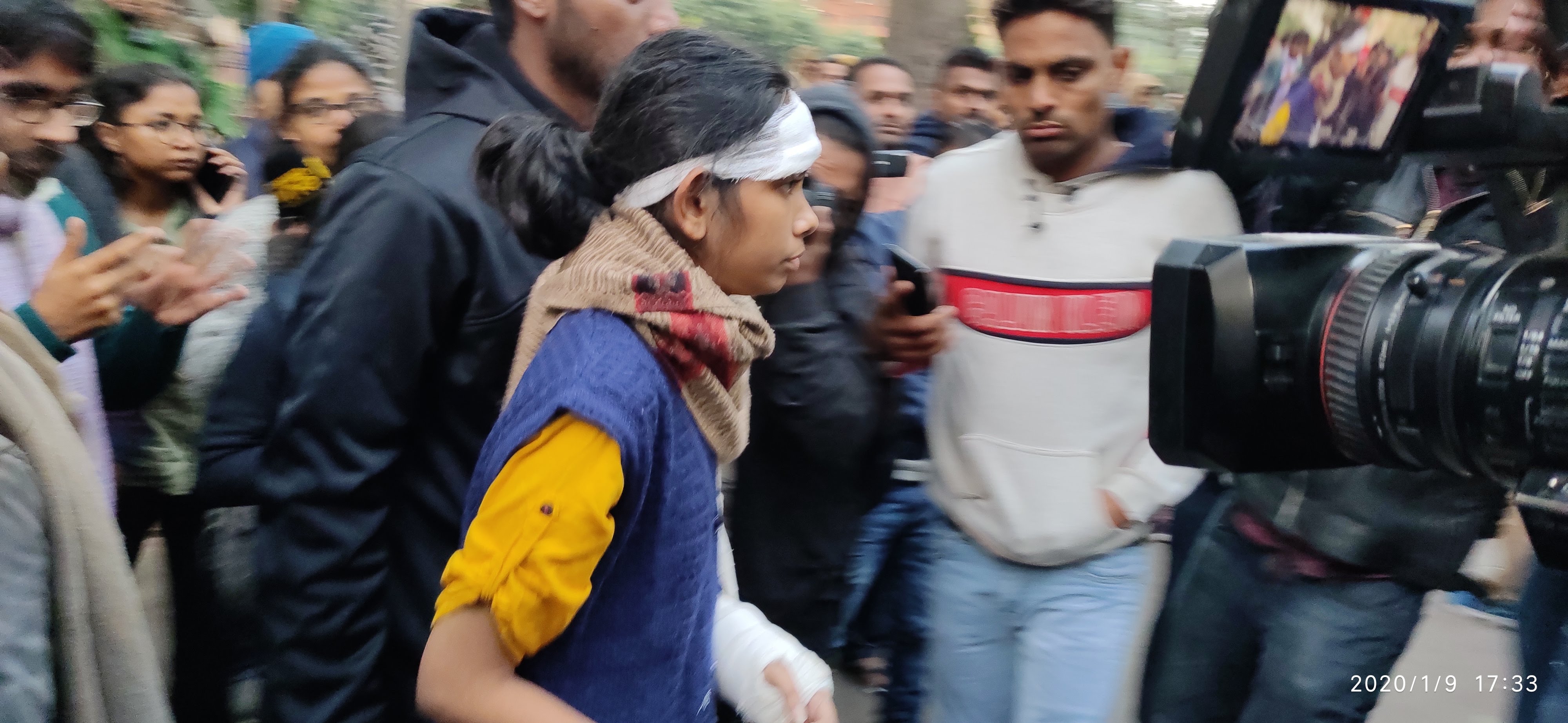
Bestselling author Chetan Bhagat said a growing student protest movement in India has evolved beyond its initial grievances into a broader generational phenomenon [1].
The movement signals a shift in how political activism is organized in the digital age. By leveraging viral content and social media platforms, Gen Z is creating a momentum that Bhagat said is larger than the specific policy demands originally raised by the protesters [1].
The unrest was sparked by the Committee for Judicial Protection (CJP) and its "Chalo Sansad" march to the Parliament premises in New Delhi [2]. The protesters allege irregularities in examinations, and are demanding the resignation of Union Education Minister Dharmendra Pradhan [1, 2].
Bhagat said to NDTV that the dynamics of the movement are heavily influenced by Instagram and the way Gen Z consumes and shares information [1]. He said that the scale of the current unrest is driven by these social-media dynamics, making the movement more expansive than a single-issue protest [1].
Parallel to the student unrest, social activist Anna Hazare has intervened to call for peace. Hazare said in a letter to the Prime Minister of India that dialogue is better than confrontation [2]. This letter was sent two days [2] after the CJP's "Chalo Sansad" march took place on the opening day of the Monsoon Session of Parliament [2].
The CJP continues to push for accountability regarding the alleged exam irregularities, while the government faces increasing pressure to address the demands of the student body [1, 2].
“The movement is larger than a single issue and is driven by Gen Z, Instagram and viral content.”
The intersection of student grievances and social media amplification suggests a new era of mobilization in India. While the CJP's demands are focused on educational administration and the resignation of a minister, the involvement of Gen Z via viral platforms indicates that the government may face a more decentralized and volatile form of protest that is harder to resolve through traditional political negotiations.


