
Chevron CEO Mike Wirth warned that conflict between the U.S. and Iran is causing physical oil shortages and driving down global inventories.
These disruptions threaten to destabilize energy markets and increase costs for consumers, potentially triggering a broader global economic slowdown as fuel availability tightens.
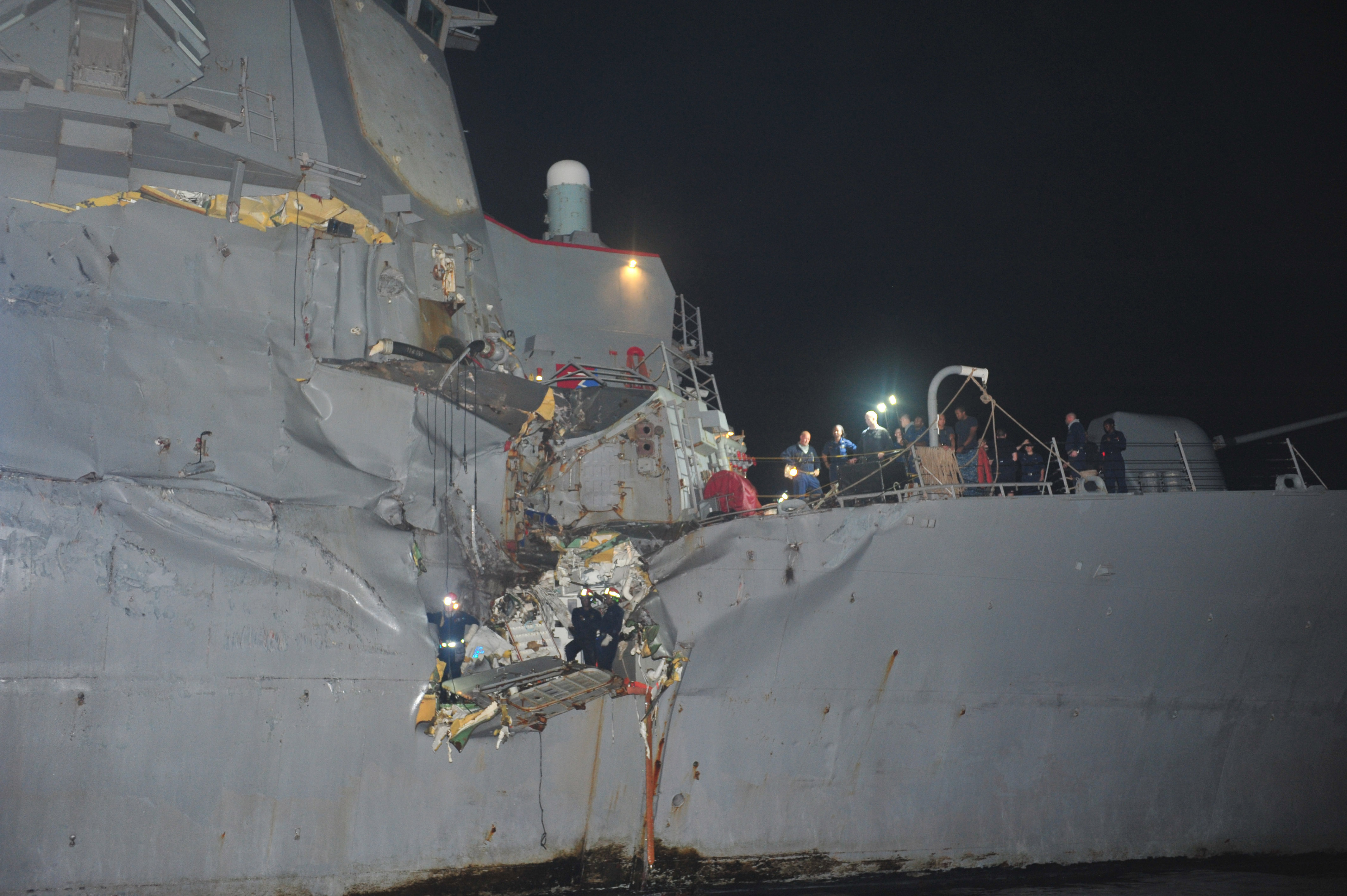
Wirth discussed these risks during an interview on Bloomberg Surveillance and at the Milken Institute conference on May 4, 2026 [2]. He said that attacks on vessels in the Strait of Hormuz are tightening the global supply of oil, which has already led to a plunge in commercial inventories.
Because of these falling inventories, Wirth said oil prices may rise within the next two months [1]. The CEO said that the current volatility is a direct result of the escalating U.S.-Iran war and the resulting insecurity in one of the world's most critical maritime chokepoints.
"We will start to see physical shortages," Wirth said.
Beyond price spikes, Wirth warned that the disruption of oil supplies through the Strait of Hormuz could have systemic effects on global growth. He said economies are going to have to slow as the closure of the strait disrupts the flow of oil to international markets.
Wirth also addressed the company's perspective on Venezuela and the looming risk of gasoline shortages. The tightening of the market creates a precarious environment where any further disruption to production, or transport, could lead to immediate scarcity at the pump.
The CEO's warnings highlight a shift from theoretical price volatility to actual physical shortages, a scenario where oil is not just more expensive, but unavailable in sufficient quantities to meet demand.
“We will start to see physical shortages.”
The warning from Chevron's top executive signals that the energy market is moving beyond speculative price increases into a phase of actual supply deficit. Because the Strait of Hormuz is a primary artery for global crude, any prolonged closure or instability there removes a significant percentage of the world's oil from the market. This creates a 'supply shock' that typically forces industrial slowdowns and increases inflation, as the cost of transporting and producing almost all physical goods rises in tandem with fuel prices.


