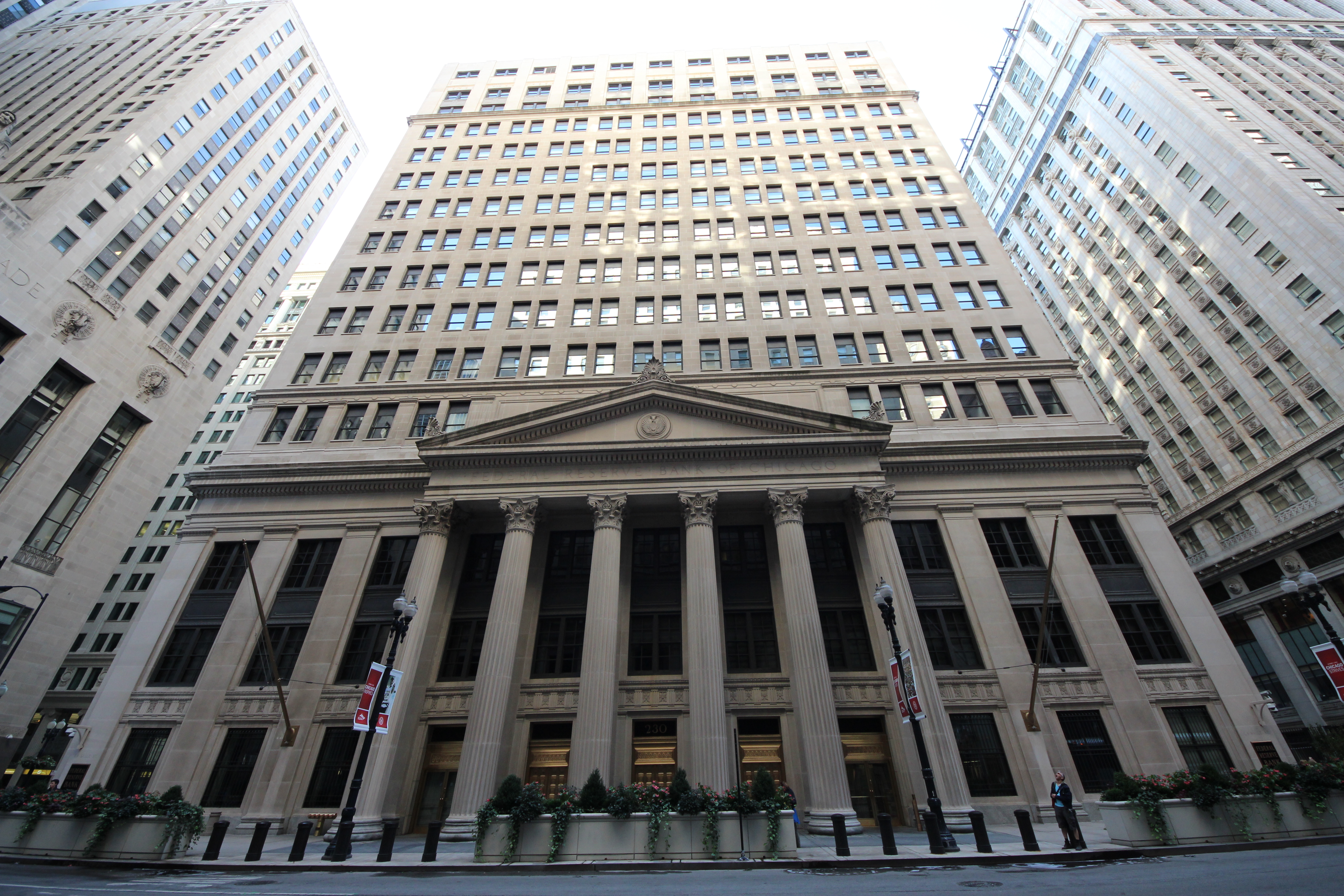
Austan Goolsbee, president of the Federal Reserve Bank of Chicago, said inflation remains too high and is moving in the wrong direction.
This assessment complicates the Federal Reserve's efforts to balance economic growth with price stability. If inflation persists, the central bank may be forced to maintain higher interest rates for longer, potentially slowing economic activity to cool the market.
Goolsbee said his concerns during a live CNBC interview on Thursday, June 25 [1]. He previously made similar remarks in a statement to Reuters on Monday, June 22 [1]. During the broadcast from his home district in Chicago, Goolsbee said, "Lately it's been going the wrong way" [1].
The Federal Reserve maintains an inflation target of two percent [2]. Goolsbee said that inflation is currently well above that target and has been trending upward [2]. Despite these price pressures, he said the labor market is stable [1].
Goolsbee is currently assessing whether these price pressures are durable or temporary. He cited factors such as high tariffs and conflict in the Middle East as potential drivers of the current trend [1].
When questioned about future monetary policy, Goolsbee said he declined to speculate on specific interest-rate moves [1]. However, some analysts suggest that these trends could result in a delay of rate cuts until 2027 [3].
"Inflation is well above the target and has been going the wrong way," Goolsbee said [2].
“"Inflation is going the wrong way."”
The divergence between a stable labor market and rising inflation creates a policy dilemma for the Federal Reserve. If the 'wrong way' trend continues, it suggests that previous interest rate hikes have not yet fully suppressed price pressures, increasing the likelihood that the Fed will prioritize inflation fighting over the desire to lower borrowing costs in the near term.
'%2F%3E%0A%20%20%20%20%3Crect%20width%3D'1600'%20height%3D'900'%20fill%3D'url(%23v)'%2F%3E%0A%20%20%20%20%3Cg%20opacity%3D'0.08'%20fill%3D'%23ffffff'%3E%0A%20%20%20%20%20%20%3Ccircle%20cx%3D'1420'%20cy%3D'180'%20r%3D'220'%2F%3E%0A%20%20%20%20%20%20%3Ccircle%20cx%3D'1500'%20cy%3D'760'%20r%3D'120'%2F%3E%0A%20%20%20%20%3C%2Fg%3E%0A%20%20%20%20%3Cline%20x1%3D'80'%20y1%3D'172'%20x2%3D'220'%20y2%3D'172'%20stroke%3D'%23ffffff'%20stroke-width%3D'3'%20stroke-opacity%3D'0.6'%2F%3E%0A%20%20%20%20%3Ctext%20x%3D'80'%20y%3D'140'%20font-family%3D'Inter%2C%20-apple-system%2C%20Helvetica%2C%20sans-serif'%20font-weight%3D'700'%20font-size%3D'28'%20fill%3D'%23ffffff'%20letter-spacing%3D'6'%3EHANNA%20%C2%B7%20NEWS%3C%2Ftext%3E%0A%20%20%20%20%3Ctext%20x%3D'80'%20y%3D'230'%20font-family%3D'Inter%2C%20-apple-system%2C%20Helvetica%2C%20sans-serif'%20font-weight%3D'600'%20font-size%3D'40'%20fill%3D'%23ffffffb3'%20letter-spacing%3D'4'%3EBUSINESS%3C%2Ftext%3E%0A%20%20%20%20%3Ctext%20x%3D'80'%20y%3D'694'%20font-family%3D'Playfair%20Display%2C%20Georgia%2C%20serif'%20font-weight%3D'800'%20font-size%3D'110'%20fill%3D'%23ffffff'%20letter-spacing%3D'-1'%3ELucknow%20Coaching%20Centre%20Fire%3C%2Ftext%3E%3Ctext%20x%3D'80'%20y%3D'820'%20font-family%3D'Playfair%20Display%2C%20Georgia%2C%20serif'%20font-weight%3D'800'%20font-size%3D'110'%20fill%3D'%23ffffff'%20letter-spacing%3D'-1'%3EKills%20at%20Least%2015%3C%2Ftext%3E%0A%20%20%20%20%3Ctext%20x%3D'80'%20y%3D'870'%20font-family%3D'Inter%2C%20-apple-system%2C%20Helvetica%2C%20sans-serif'%20font-weight%3D'500'%20font-size%3D'22'%20fill%3D'%23ffffff66'%20letter-spacing%3D'2'%3Enews.hanna-ai.com%3C%2Ftext%3E%0A%20%20%3C%2Fsvg%3E)

