
Paraguayan goalkeeper José Luis Chilavert demonstrated his specialized free-kick abilities during the 1998 [1] and 2002 [2] FIFA World Cups.
Chilavert's role as a set-piece specialist challenged traditional positional norms in professional soccer. While goalkeepers are typically restricted to defensive duties, his ability to contribute offensively from dead-ball situations provided Paraguay with a unique tactical advantage during international play.
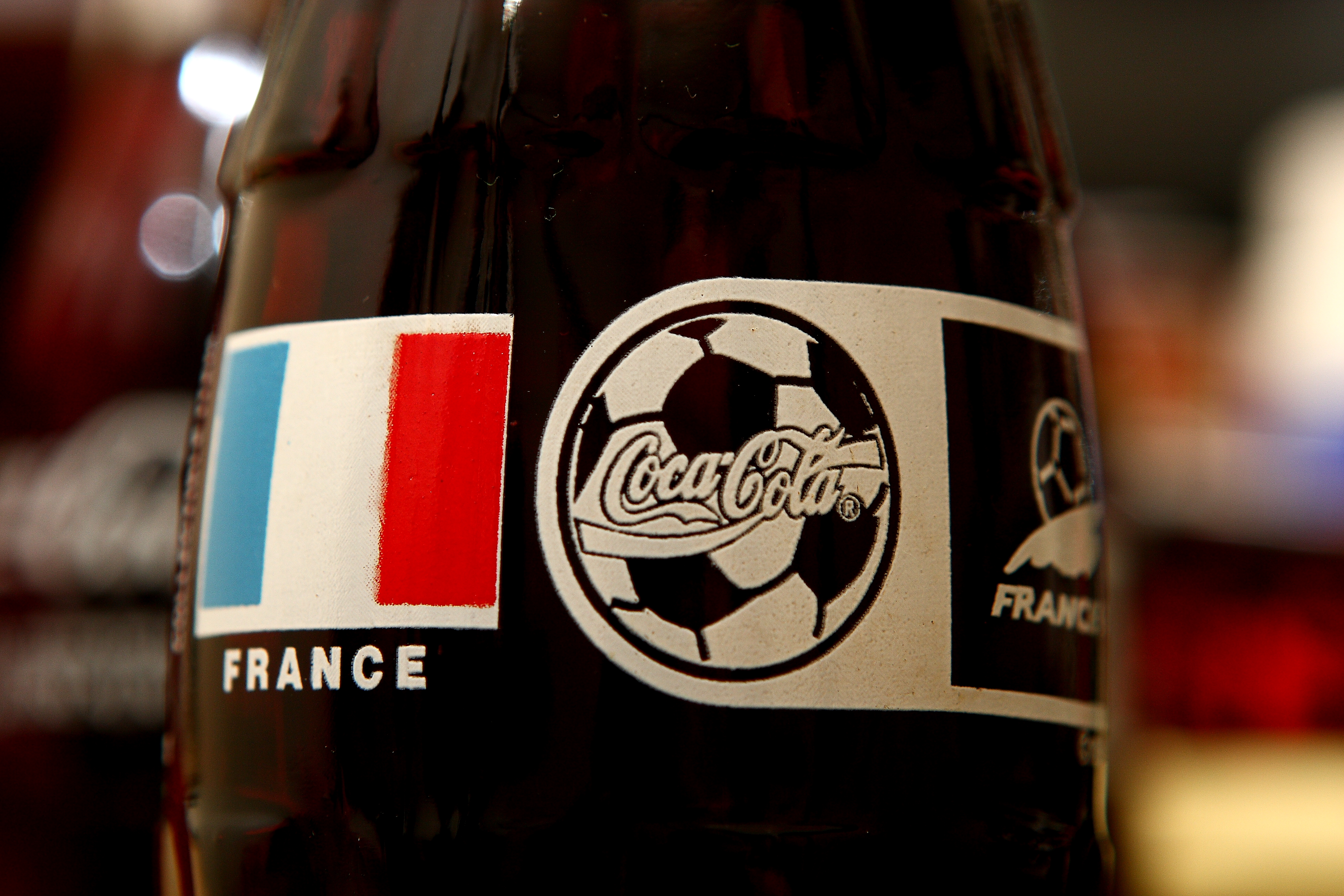
During the 1998 tournament held in France [1], Chilavert utilized his powerful striking ability to pressure opposing defenses. His presence as a designated free-kick taker meant that the team could deploy their primary attackers in more traditional positions, while relying on the goalkeeper for distance and precision on set pieces.
This trend continued into the 2002 FIFA World Cup, which took place in South Korea and Japan [2]. Chilavert remained a focal point of the Paraguayan strategy, leveraging his reputation as one of the few goalkeepers in history to master the art of the free-kick. His style of play emphasized a level of technical versatility rarely seen in the position.
According to reports, Chilavert was renowned for this specific skill set, which became a signature part of his professional identity [3]. By taking responsibility for free-kicks, he shifted the dynamic of the match, forcing opposing teams to account for a threat emerging from their own defensive half.
His contributions during these two specific tournaments highlight a period where the boundaries of the goalkeeper's role were expanded. The combination of shot-stopping and offensive playmaking allowed Chilavert to leave a lasting mark on the global stage of the FIFA World Cup.
“Chilavert's role as a set-piece specialist challenged traditional positional norms in professional soccer.”
Chilavert's tenure as a goal-scoring goalkeeper represents a tactical anomaly in soccer history. By integrating elite set-piece skills into the goalkeeper position, he proved that specialized offensive capabilities could be effectively utilized by a player traditionally limited to a defensive role, influencing how future teams viewed the versatility of their keepers.


