
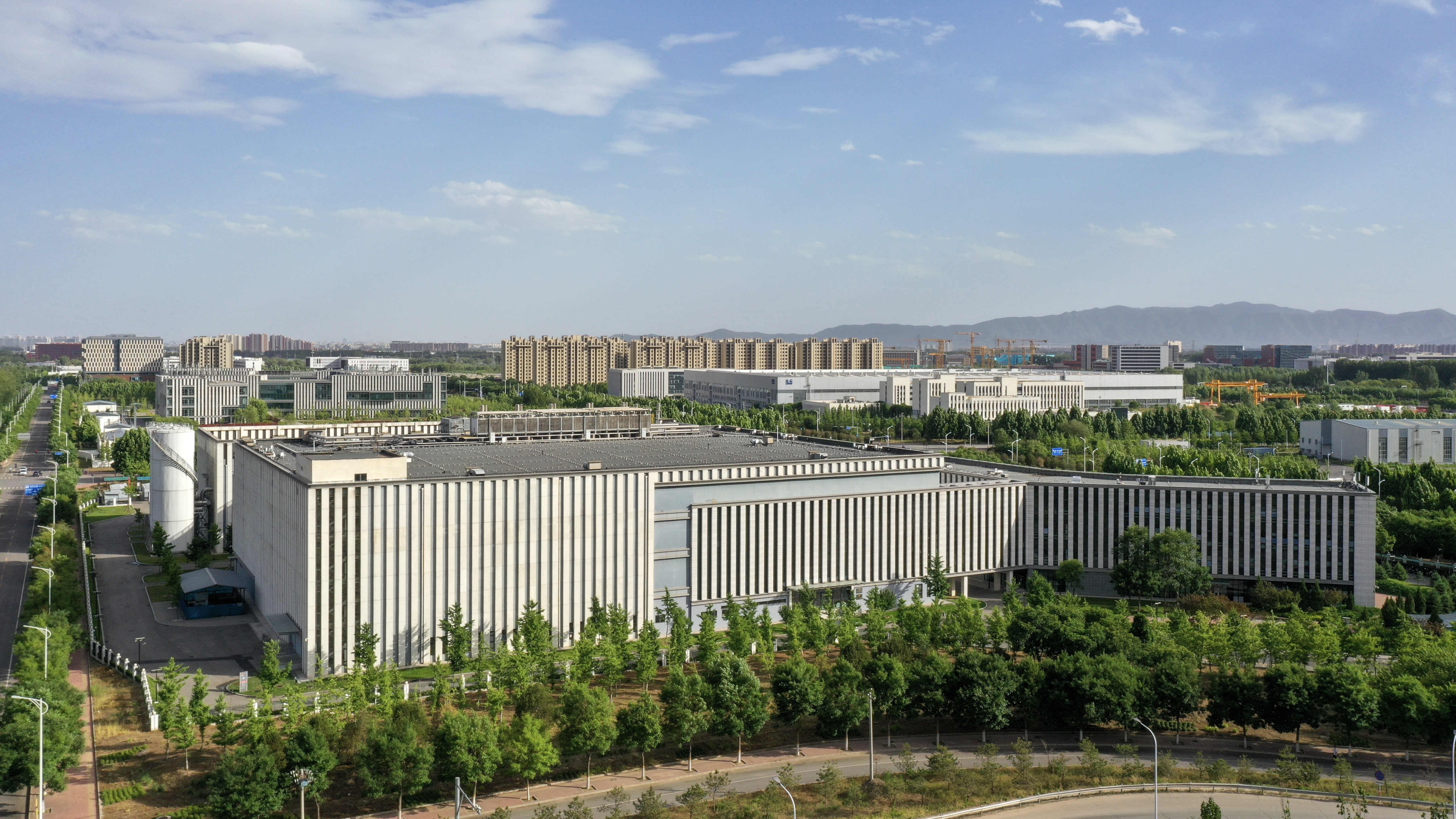
China is preparing a plan to spend approximately 2 trillion yuan to build a nationwide network of data centers supporting an AI build-out [1].
This massive investment represents a strategic attempt to secure technological sovereignty. By expanding its physical infrastructure, China aims to accelerate its domestic AI sector and potentially overtake the U.S. in artificial intelligence capabilities [1], [3].
The plan is being coordinated by the National Development and Reform Commission and other key government agencies [1], [2]. The projected spending of 2 trillion yuan, which converts to between $295 billion [1] and $295.43 billion [2], is slated for rollout over the next five years starting in 2026 [1], [2].
This infrastructure push is designed to sustain cutting-edge technology development even as the country faces broader fiscal tightening [1], [3]. The network will consist of data centers distributed across the country to provide the computational power necessary for large-scale AI models, and applications [1], [3].
The initiative focuses on creating a foundation of high-performance computing that can support a wide array of industrial and consumer AI tools. By centralizing and scaling its data processing capabilities, the government intends to reduce reliance on foreign hardware and software while fostering a more robust internal ecosystem [1], [3].
“China is preparing a plan to spend approximately 2 trillion yuan to build a nationwide network of data centers.”
This investment signals that China views AI infrastructure as a critical national security priority. By committing nearly $300 billion to data centers, the government is attempting to bypass hardware bottlenecks and create a state-led computational backbone that can sustain AI growth despite international trade restrictions and internal economic pressures.


