
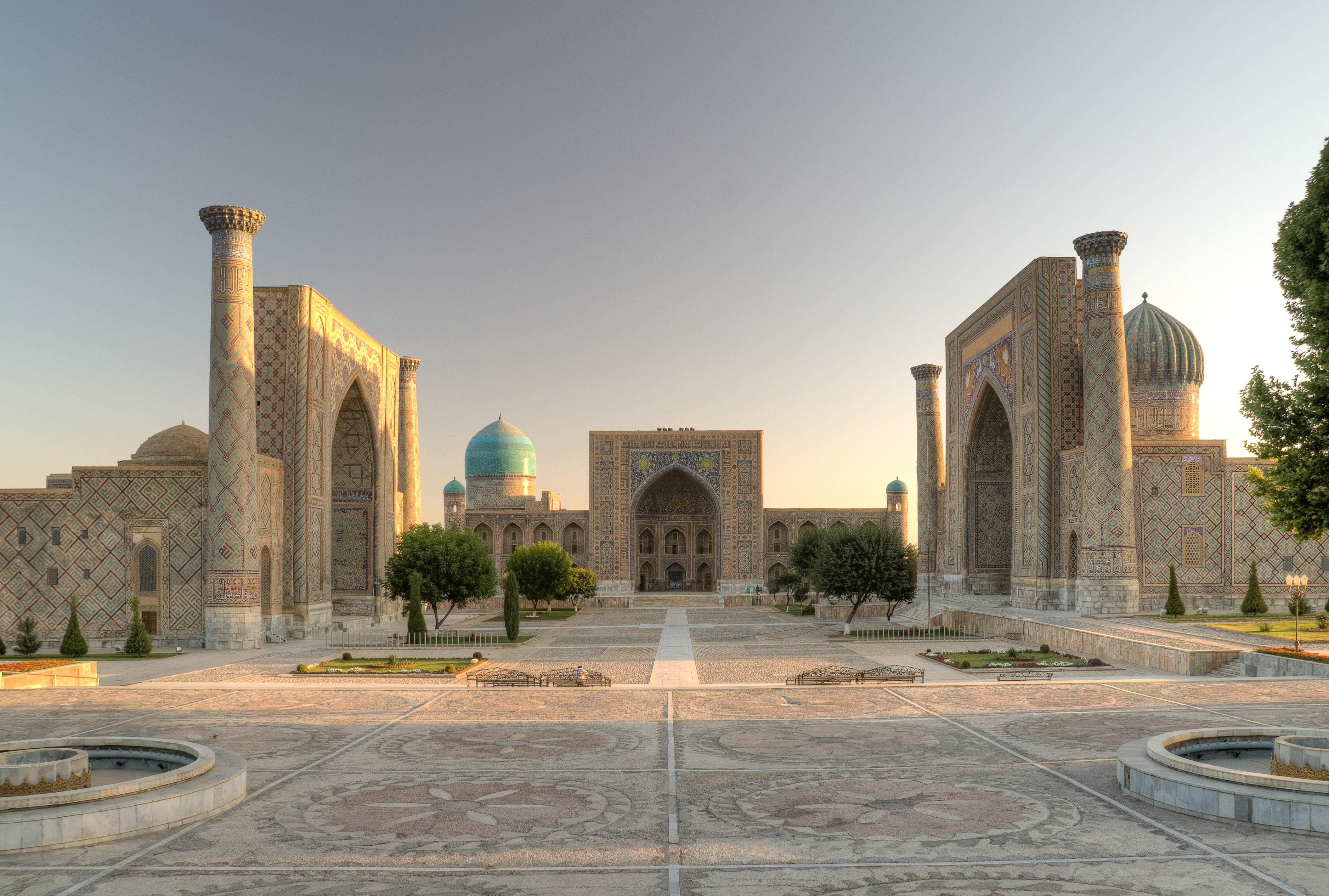
China is expanding its economic, energy, and infrastructure influence across the five Central Asian republics [1].
This shift signals a pivot in regional power dynamics as these nations seek new partners for stability and growth. The expansion occurs as traditional ties to Moscow weaken and new environmental and security threats emerge.
Beijing is targeting Kazakhstan, Kyrgyzstan, Tajikistan, Turkmenistan, and Uzbekistan through a combination of energy projects and water-security infrastructure [1, 2]. These efforts are part of the broader Belt-and-Road initiatives, which aim to integrate regional trade and transport corridors [1, 3].
Investment has fundamentally altered the region over the last 13 years [4]. While the footprint has grown steadily for over a decade, there has been a notable acceleration in activity over the last five years [1, 4].
Several factors are driving this trend. Analysts said Russian influence in the region is fading, leaving a vacuum that Chinese state-linked enterprises are filling [2]. Additionally, the Iran-Israel conflict has stoked fears regarding water security, prompting Central Asian governments to look toward China for technical and financial support [3].
China's approach integrates high-level diplomacy with tangible assets. By funding irrigation upgrades and power plants, the People's Republic of China secures long-term economic leverage while addressing the immediate needs of the five republics [1, 2, 3].
“China is expanding its economic, energy, and infrastructure influence across the five Central Asian republics.”
The deepening of Chinese ties in Central Asia represents a strategic realignment. By addressing critical vulnerabilities in water and energy, Beijing is transitioning from a mere trading partner to a primary security and infrastructure guarantor. This reduces the region's historical dependence on Russia and integrates these five states more tightly into the Chinese economic sphere.


