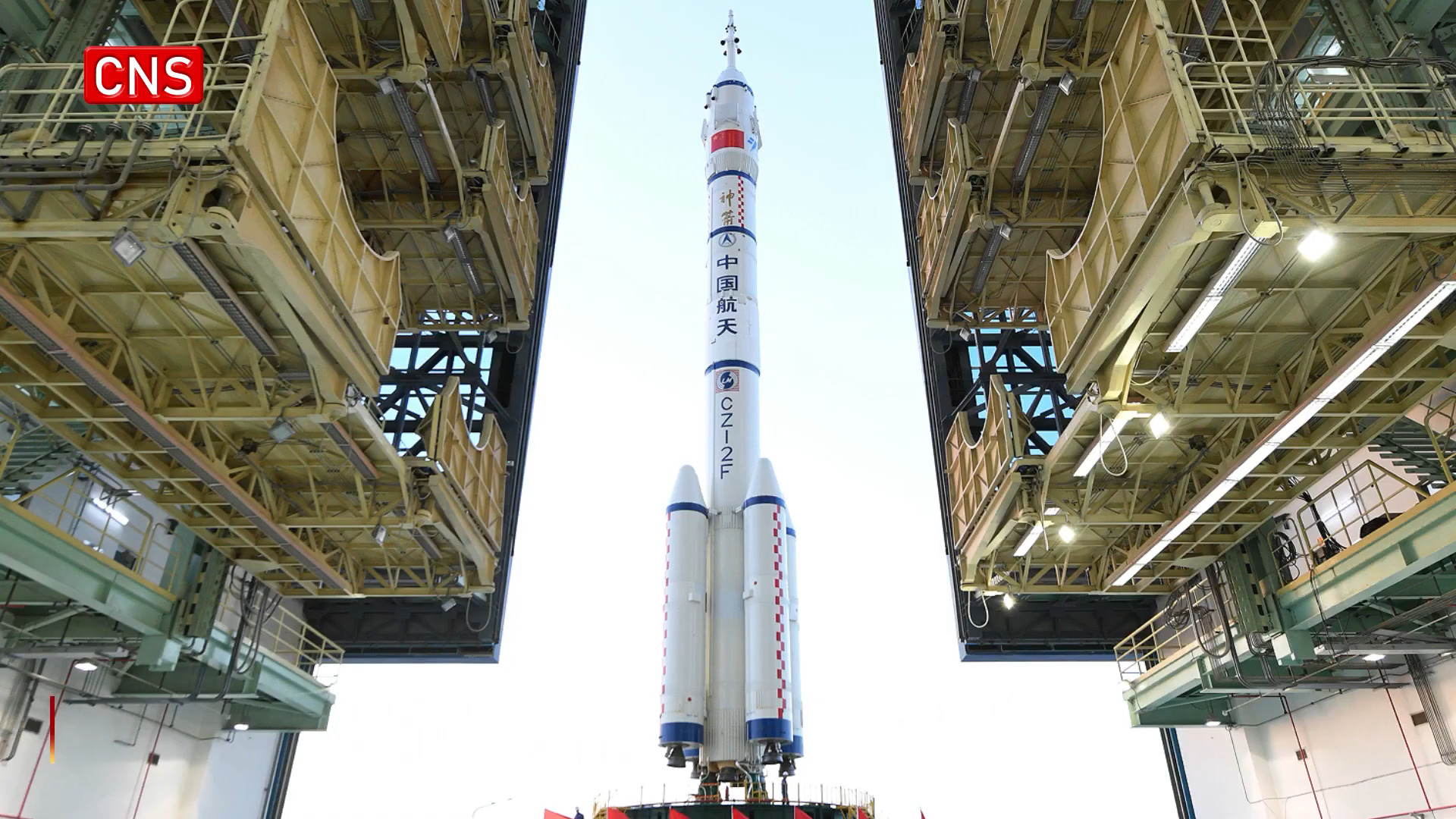
China launched a Lijian-1 Y13 rocket carrying five satellites into orbit on Friday [1].
The mission underscores the expanding role of commercial space ventures in China's aerospace strategy. By utilizing specialized test areas for these launches, the country is diversifying its orbital delivery capabilities beyond traditional state-run facilities.
The rocket departed from the Dongfeng Commercial Space Innovation Test Area located in northwestern China [1]. According to reports, the Lijian-1 Y13 model was used to transport the five satellites [1]. This specific launch site is designed for commercial and technological innovation, allowing for more frequent and flexible orbital insertions.
"China launched the Lijian-1 Y13 rocket carrying five satellites," Xinhua News Agency said [1].
The deployment of these five satellites [1] serves various commercial and technological purposes. While the specific functions of each satellite were not detailed in the reports, the use of the Lijian-1 series indicates a focus on small-to-medium payload delivery. The success of the Friday launch suggests continued reliability in the Lijian-1 rocket line, a critical component for China's goal of increasing its presence in low-Earth orbit.
This launch is part of a broader trend of integrating commercial space innovation with national infrastructure. The Dongfeng site provides a strategic location for testing new propulsion and deployment technologies without interfering with primary military or government launch schedules.
“China launched a Lijian-1 Y13 rocket carrying five satellites into orbit on Friday.”
The use of the Dongfeng Commercial Space Innovation Test Area highlights China's shift toward a more hybridized space economy. By moving commercial payloads to dedicated innovation zones, China can accelerate the iteration of its rocket technology and reduce the bottleneck at its primary launch centers, potentially increasing the frequency of its satellite deployments.


'%2F%3E%0A%20%20%20%20%3Crect%20width%3D'1600'%20height%3D'900'%20fill%3D'url(%23v)'%2F%3E%0A%20%20%20%20%3Cg%20opacity%3D'0.08'%20fill%3D'%23ffffff'%3E%0A%20%20%20%20%20%20%3Ccircle%20cx%3D'1420'%20cy%3D'180'%20r%3D'220'%2F%3E%0A%20%20%20%20%20%20%3Ccircle%20cx%3D'1500'%20cy%3D'760'%20r%3D'120'%2F%3E%0A%20%20%20%20%3C%2Fg%3E%0A%20%20%20%20%3Cline%20x1%3D'80'%20y1%3D'172'%20x2%3D'220'%20y2%3D'172'%20stroke%3D'%23ffffff'%20stroke-width%3D'3'%20stroke-opacity%3D'0.6'%2F%3E%0A%20%20%20%20%3Ctext%20x%3D'80'%20y%3D'140'%20font-family%3D'Inter%2C%20-apple-system%2C%20Helvetica%2C%20sans-serif'%20font-weight%3D'700'%20font-size%3D'28'%20fill%3D'%23ffffff'%20letter-spacing%3D'6'%3EHANNA%20%C2%B7%20NEWS%3C%2Ftext%3E%0A%20%20%20%20%3Ctext%20x%3D'80'%20y%3D'230'%20font-family%3D'Inter%2C%20-apple-system%2C%20Helvetica%2C%20sans-serif'%20font-weight%3D'600'%20font-size%3D'40'%20fill%3D'%23ffffffb3'%20letter-spacing%3D'4'%3EWORLD%3C%2Ftext%3E%0A%20%20%20%20%3Ctext%20x%3D'80'%20y%3D'622'%20font-family%3D'Playfair%20Display%2C%20Georgia%2C%20serif'%20font-weight%3D'800'%20font-size%3D'86'%20fill%3D'%23ffffff'%20letter-spacing%3D'-1'%3ERahul%20Gandhi%20Accuses%3C%2Ftext%3E%3Ctext%20x%3D'80'%20y%3D'721'%20font-family%3D'Playfair%20Display%2C%20Georgia%2C%20serif'%20font-weight%3D'800'%20font-size%3D'86'%20fill%3D'%23ffffff'%20letter-spacing%3D'-1'%3EGovernment%20of%20Lying%20About%3C%2Ftext%3E%3Ctext%20x%3D'80'%20y%3D'820'%20font-family%3D'Playfair%20Display%2C%20Georgia%2C%20serif'%20font-weight%3D'800'%20font-size%3D'86'%20fill%3D'%23ffffff'%20letter-spacing%3D'-1'%3EPellet%20Gun%20Use%3C%2Ftext%3E%0A%20%20%20%20%3Ctext%20x%3D'80'%20y%3D'870'%20font-family%3D'Inter%2C%20-apple-system%2C%20Helvetica%2C%20sans-serif'%20font-weight%3D'500'%20font-size%3D'22'%20fill%3D'%23ffffff66'%20letter-spacing%3D'2'%3Enews.hanna-ai.com%3C%2Ftext%3E%0A%20%20%3C%2Fsvg%3E)