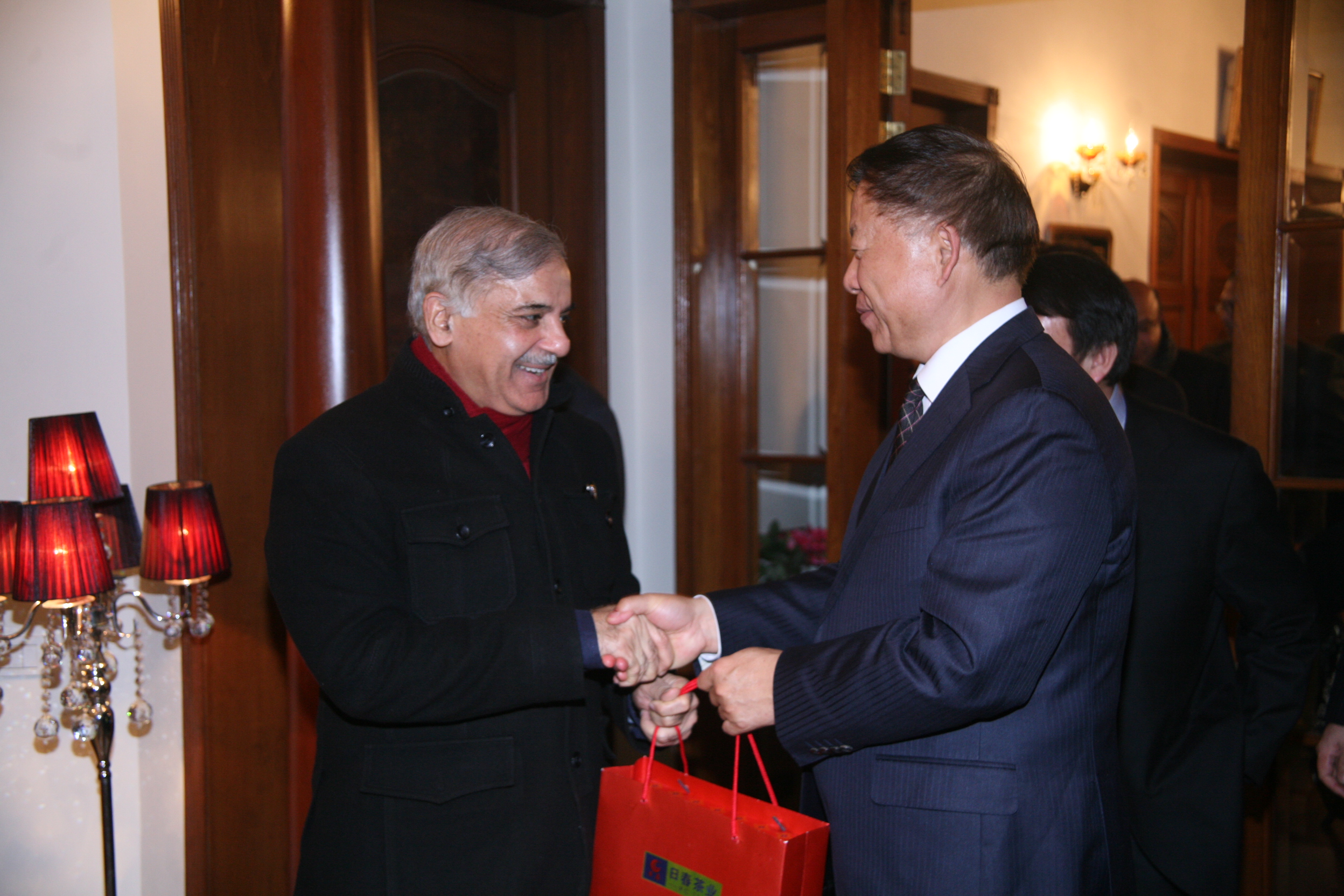
Chinese President Xi Jinping and Pakistani Prime Minister Shehbaz Sharif have reaffirmed an "unbreakable" strategic partnership between their two nations [1].
This diplomatic alignment signals a deterrent message to Pakistan's adversaries while deepening security and counter-terrorism cooperation between Beijing and Islamabad [1, 3].
The reaffirmation follows a three-day state visit [3] to Beijing by Prime Minister Sharif and Chief of Defence Staff Asim Munir from May 23 to 26, 2026 [1, 2]. During the meetings, President Xi praised the endurance of the bilateral relationship, which spans 75 years of diplomatic ties [1].
"China and Pakistan have built an unbreakable friendship," Xi said [1].
The two leaders emphasized a commitment to an all-weather friendship, and the joint promotion of a multipolar world [2]. This strategic bond is supported by significant economic ties, with China investing billions of dollars into Pakistan [3].
Beyond economic and military cooperation, the partnership is extending into regional mediation. A Chinese foreign ministry official said China is ready to play a constructive role in ending the conflict between Pakistan and the Taliban [3].
This diplomatic push coincides with the 99th anniversary of the founding of the People’s Liberation Army, celebrated on Aug. 1, 2026 [4]. The timing underscores the military dimension of the partnership as both nations seek to enhance regional security [1].
Both governments said the partnership serves as a clear message to those who oppose Pakistan's stability [1]. The visit included high-level discussions with Chinese Ambassador Jiang Zaidong to ensure the continued advancement of mutual strategic goals [1].
“"China and Pakistan have built an unbreakable friendship."”
The strengthening of the China-Pakistan axis reflects a broader geopolitical shift toward a multipolar global order. By combining China's economic leverage and military weight with Pakistan's strategic location, Beijing is expanding its influence in South Asia. This partnership not only provides Pakistan with a critical security guarantor against regional rivals but also positions China as a primary mediator in volatile disputes, such as the Pakistan-Taliban conflict.


