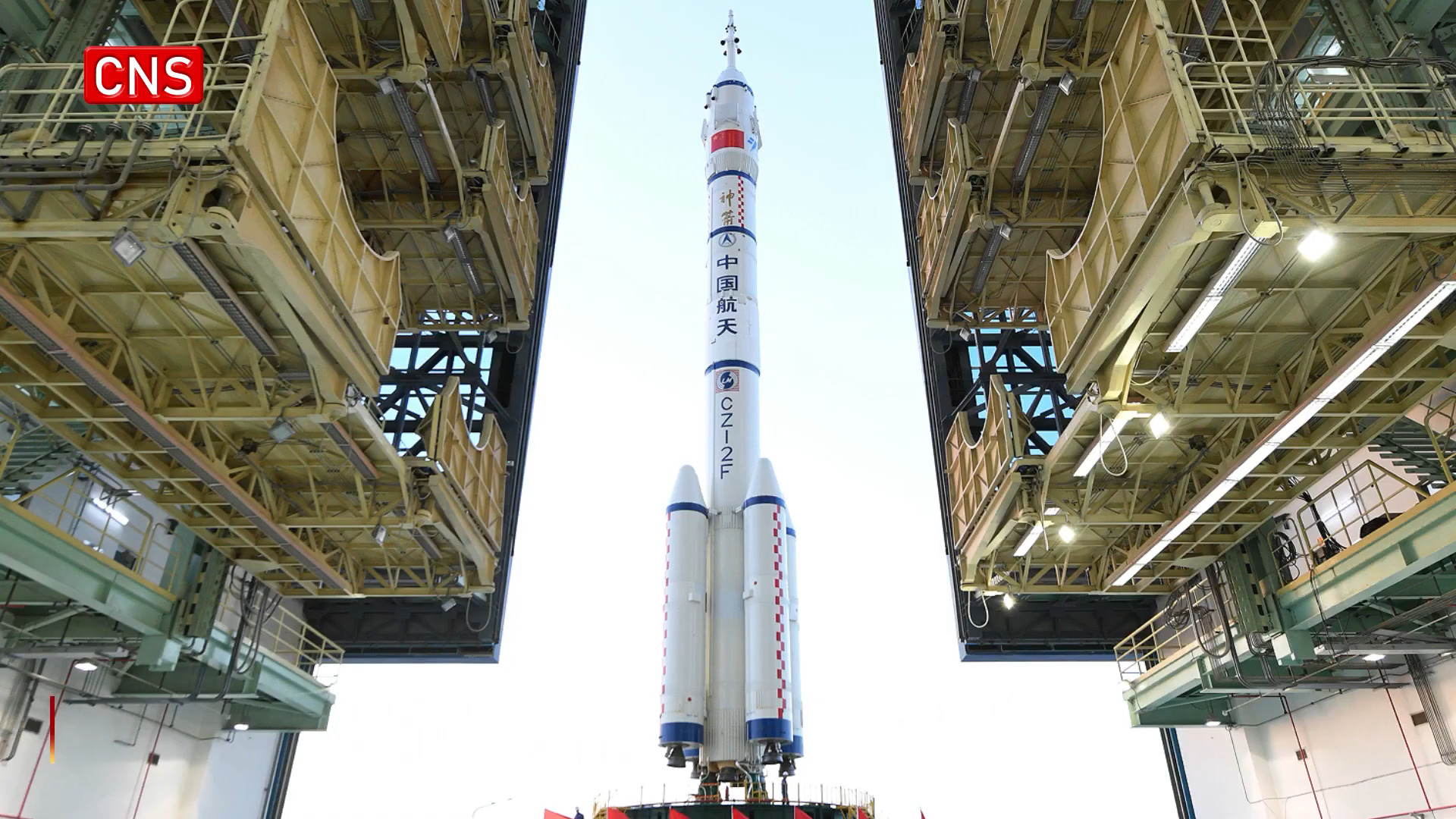
China successfully tested an experimental sea-based rocket booster recovery system using a net attached to a sea platform on Friday, July 10, 2024 [1].
The development represents a strategic effort to advance China's reusable launch capabilities. By mastering the ability to recover boosters, the country aims to break U.S. dominance in the reusable rocket sector [1].
The operation took place on a sea platform off the coast of China, though the exact coordinates were not specified [1]. The system utilizes a specialized net to capture the booster as it descends toward the ocean, a departure from the vertical landing pads used by some other space agencies.
This successful recovery marks the first time China has used this specific net-based method to catch a returning booster [2]. The technology is designed to reduce the cost of space missions by allowing expensive hardware to be salvaged, and refurbished for future flights [1].
Engineers focused on the stability of the sea platform and the precision of the net deployment during the trial. The ability to recover boosters at sea allows for greater flexibility in landing zones, as it removes the need for permanent land-based infrastructure at every potential touchdown point [1].
While the U.S. has historically led the field of reusable rocketry, the introduction of this sea-based system indicates that China is diversifying its approach to recovery. The use of a "catch" mechanism rather than a traditional propulsive landing suggests a different engineering philosophy in the pursuit of cost-effective space access [1].
“China successfully tested an experimental sea-based rocket booster recovery system using a net attached to a sea platform.”
The shift toward reusable launch vehicles is a critical pivot in global space economics. By developing a sea-based recovery system, China is attempting to lower the financial barrier to orbit, which could accelerate its cadence of satellite deployments and deep-space exploration. This move signals an intensifying technological competition with the U.S. to determine who can most efficiently maintain a sustainable presence in space.
'%2F%3E%0A%20%20%20%20%3Crect%20width%3D'1600'%20height%3D'900'%20fill%3D'url(%23v)'%2F%3E%0A%20%20%20%20%3Cg%20opacity%3D'0.08'%20fill%3D'%23ffffff'%3E%0A%20%20%20%20%20%20%3Ccircle%20cx%3D'1420'%20cy%3D'180'%20r%3D'220'%2F%3E%0A%20%20%20%20%20%20%3Ccircle%20cx%3D'1500'%20cy%3D'760'%20r%3D'120'%2F%3E%0A%20%20%20%20%3C%2Fg%3E%0A%20%20%20%20%3Cline%20x1%3D'80'%20y1%3D'172'%20x2%3D'220'%20y2%3D'172'%20stroke%3D'%23ffffff'%20stroke-width%3D'3'%20stroke-opacity%3D'0.6'%2F%3E%0A%20%20%20%20%3Ctext%20x%3D'80'%20y%3D'140'%20font-family%3D'Inter%2C%20-apple-system%2C%20Helvetica%2C%20sans-serif'%20font-weight%3D'700'%20font-size%3D'28'%20fill%3D'%23ffffff'%20letter-spacing%3D'6'%3EHANNA%20%C2%B7%20NEWS%3C%2Ftext%3E%0A%20%20%20%20%3Ctext%20x%3D'80'%20y%3D'230'%20font-family%3D'Inter%2C%20-apple-system%2C%20Helvetica%2C%20sans-serif'%20font-weight%3D'600'%20font-size%3D'40'%20fill%3D'%23ffffffb3'%20letter-spacing%3D'4'%3ETECH%3C%2Ftext%3E%0A%20%20%20%20%3Ctext%20x%3D'80'%20y%3D'622'%20font-family%3D'Playfair%20Display%2C%20Georgia%2C%20serif'%20font-weight%3D'800'%20font-size%3D'86'%20fill%3D'%23ffffff'%20letter-spacing%3D'-1'%3EIvan%20Miranda%20Releases%20Files%3C%2Ftext%3E%3Ctext%20x%3D'80'%20y%3D'721'%20font-family%3D'Playfair%20Display%2C%20Georgia%2C%20serif'%20font-weight%3D'800'%20font-size%3D'86'%20fill%3D'%23ffffff'%20letter-spacing%3D'-1'%3Efor%20Suitcase-Sized%3C%2Ftext%3E%3Ctext%20x%3D'80'%20y%3D'820'%20font-family%3D'Playfair%20Display%2C%20Georgia%2C%20serif'%20font-weight%3D'800'%20font-size%3D'86'%20fill%3D'%23ffffff'%20letter-spacing%3D'-1'%3E3D-Printed%20Electric%20Scooter%3C%2Ftext%3E%0A%20%20%20%20%3Ctext%20x%3D'80'%20y%3D'870'%20font-family%3D'Inter%2C%20-apple-system%2C%20Helvetica%2C%20sans-serif'%20font-weight%3D'500'%20font-size%3D'22'%20fill%3D'%23ffffff66'%20letter-spacing%3D'2'%3Enews.hanna-ai.com%3C%2Ftext%3E%0A%20%20%3C%2Fsvg%3E)

