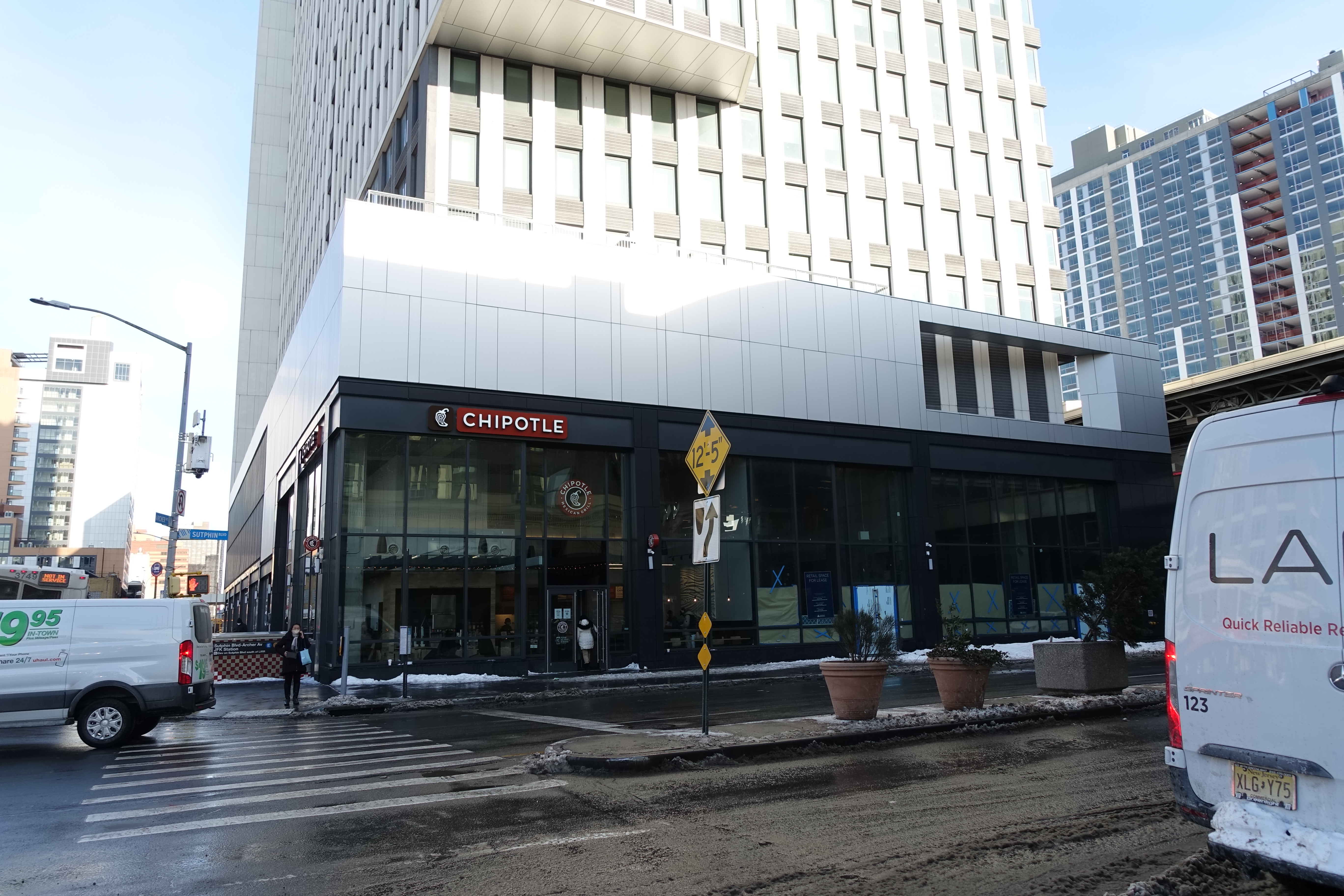
Chipotle Mexican Grill opened its first restaurant in Mexico this week [1].
The move represents a strategic test of the brand's appeal in the country that serves as the primary inspiration for its menu. Expanding into Mexico allows the company to gauge how its Americanized version of Mexican cuisine is received by local consumers.
Chipotle currently operates approximately 4,100 outlets worldwide [3]. A spokesperson for the company said, "This is a significant move for Chipotle" [3].
Despite the company's growth, the expansion has not been met with universal praise. Social media users have expressed a range of opinions regarding the arrival of the chain in Mexico. George Solis said, "The internet is divided" [1].
While the specific city of the first location was not disclosed, the opening marks the first time the company has established a physical presence within Mexico's borders [1, 2]. The company is using this initial entry to determine if its business model can translate to a market with deep-rooted culinary traditions [3].
Industry observers note that the brand's identity is heavily tied to the cultural aesthetics and flavors of Mexico, yet it has spent decades scaling primarily in the U.S. and other international markets. The reaction from the public reflects a tension between global corporate expansion and local gastronomic authenticity.
“"This is a significant move for Chipotle."”
Chipotle's entry into Mexico is a high-risk, high-reward brand experiment. By launching in the region that defines its product identity, the company faces a unique challenge: it must compete not just with other fast-casual chains, but with the authentic local standards of the food it emulates. Success here would prove the brand's global versatility, while failure would suggest that its appeal is rooted more in American novelty than in the cuisine itself.


