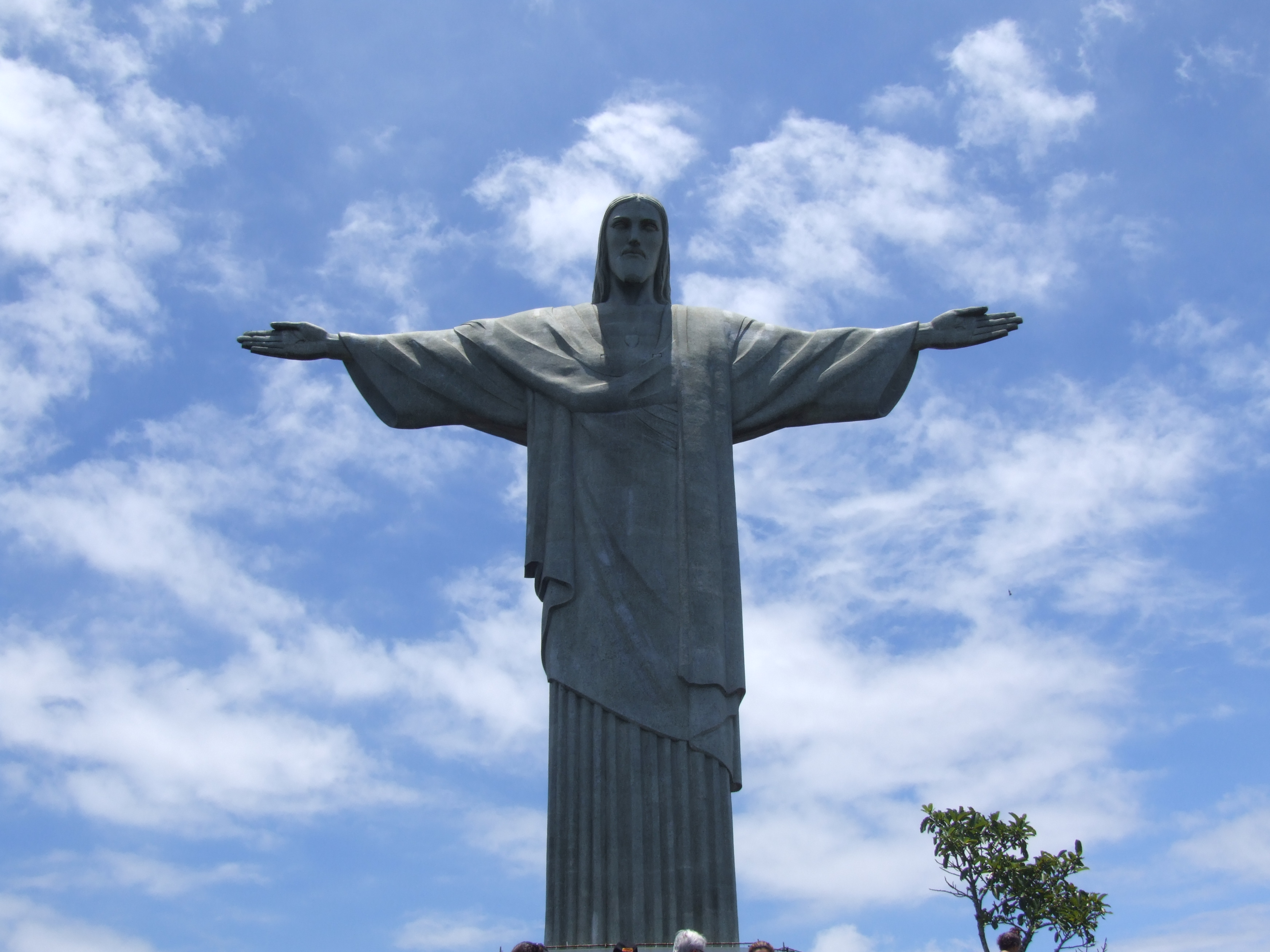
The Christ the Redeemer statue in Rio de Janeiro was illuminated in the colors of the Venezuelan flag to honor earthquake victims [1].
The gesture serves as a high-profile symbol of regional support following a natural disaster that caused significant loss of life and infrastructure damage. By using one of the world's most recognized landmarks, the act aims to draw international attention to the ongoing crisis in Venezuela [1, 2].
The illumination followed twin earthquakes that struck Venezuela on June 24, 2024 [1, 2]. According to reports, the official death toll from the seismic events reached nearly 2,600 people [1].
In addition to the flag colors, a projected "SOS Venezuela" message was displayed on the monument [3]. This combination of visual tributes was intended to express solidarity with those affected by the disaster, and to call for urgent assistance for the survivors [2, 3].
Rio de Janeiro officials and the monument's administration coordinated the lighting to reflect the tragedy occurring in the neighboring South American nation. The event highlights the role of cultural landmarks in conveying diplomatic and humanitarian messages during times of emergency [1, 2].
The use of the statue for such purposes is a recurring practice for the landmark, which often lights up to mark global events or tragedies. In this instance, the focus remained on the immediate humanitarian need resulting from the June 2024 disasters [1, 3].
“The statue was illuminated in the colors of the Venezuelan flag”
The use of Christ the Redeemer as a canvas for humanitarian appeals underscores the statue's role not only as a religious icon but as a geopolitical tool for visibility. By projecting an 'SOS' message alongside national colors, the act transforms a tourist landmark into a diplomatic signal, amplifying the scale of the Venezuelan tragedy to a global audience.