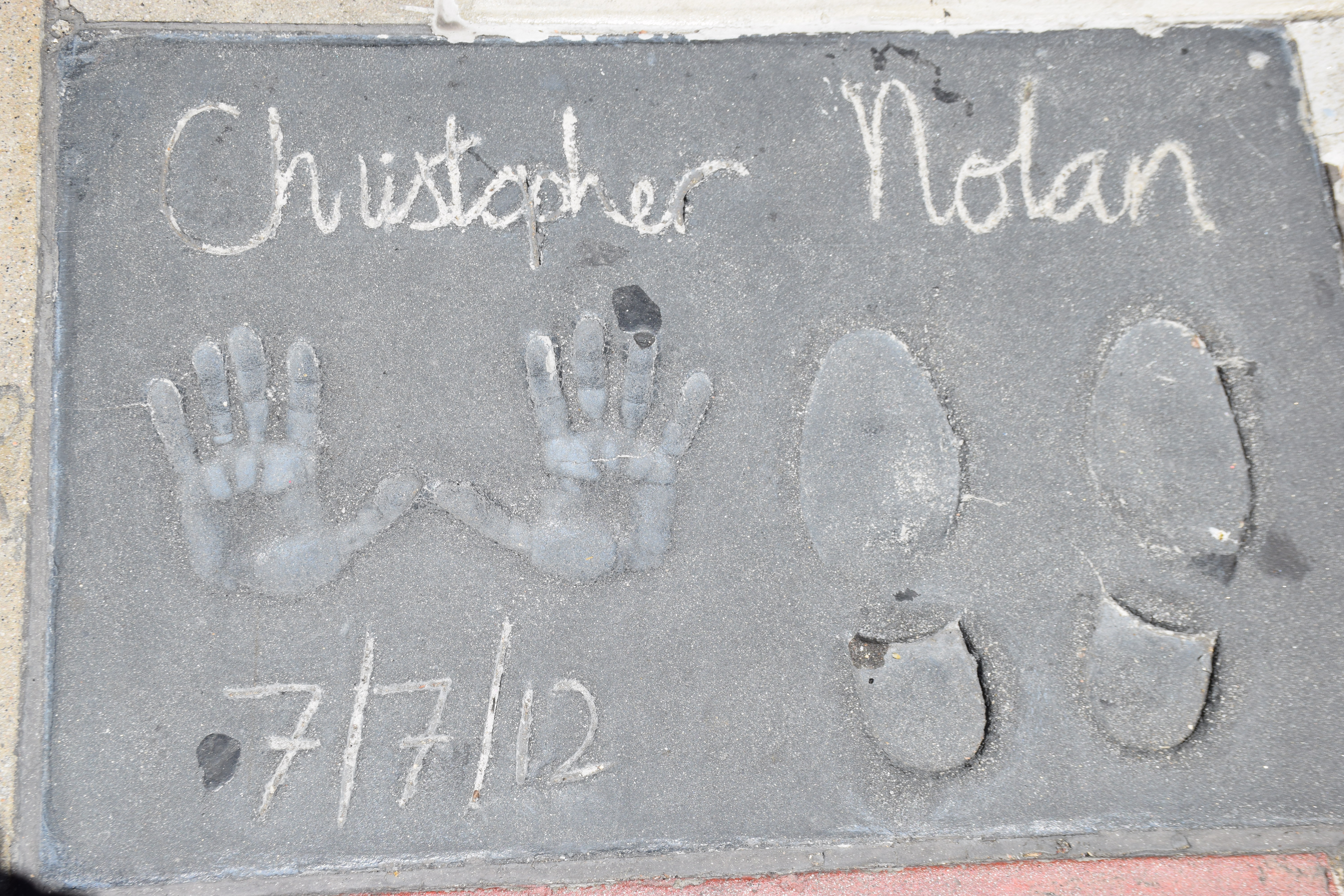
Director Christopher Nolan has released a cinematic adaptation of Homer's Odyssey, bringing the ancient Greek epic to global audiences this month [1].
The project marks a significant intersection of classical literature and modern blockbuster filmmaking. By translating a foundational text into a contemporary visual medium, Nolan tests whether ancient narratives can still drive massive box office success in a fragmented media landscape.
The film examines the pervasive nature of the Odyssey, a work that has influenced a vast array of modern storytelling from the Land of Oz to the fictional world of Westeros [1]. The narrative focuses on the enduring grip that the ancient poem holds over pop culture, despite the story containing what some describe as 2,600-year-old spoilers [1].
Industry analysts and critics are focusing on the director's motivation for selecting this specific source material. A reporter for The Guardian asked, "What made the director so determined to adapt the ancient Greek epic?" [1]
The adaptation arrives at a time when audiences are increasingly drawn to epic-scale storytelling. The film seeks to answer why a poem originating from 600 BC continues to exert a "vice-like grip" on modern media and entertainment [1].
Nolan's approach typically involves challenging traditional narrative structures. In this instance, the director leverages the Odyssey's themes of homecoming and identity to bridge the gap between the ancient world and the current cinematic era [1].
“And why does a poem from 600 BC hold a vice-like grip on pop culture?”
The release of this film signals a trend toward 'prestige' blockbusters that rely on established literary canons rather than original intellectual property. By adapting the Odyssey, Nolan is attempting to prove that the core archetypes of human experience—such as the struggle to return home—remain commercially viable and culturally relevant regardless of the era in which they were written.

'%2F%3E%0A%20%20%20%20%3Crect%20width%3D'1600'%20height%3D'900'%20fill%3D'url(%23v)'%2F%3E%0A%20%20%20%20%3Cg%20opacity%3D'0.08'%20fill%3D'%23ffffff'%3E%0A%20%20%20%20%20%20%3Ccircle%20cx%3D'1420'%20cy%3D'180'%20r%3D'220'%2F%3E%0A%20%20%20%20%20%20%3Ccircle%20cx%3D'1500'%20cy%3D'760'%20r%3D'120'%2F%3E%0A%20%20%20%20%3C%2Fg%3E%0A%20%20%20%20%3Cline%20x1%3D'80'%20y1%3D'172'%20x2%3D'220'%20y2%3D'172'%20stroke%3D'%23ffffff'%20stroke-width%3D'3'%20stroke-opacity%3D'0.6'%2F%3E%0A%20%20%20%20%3Ctext%20x%3D'80'%20y%3D'140'%20font-family%3D'Inter%2C%20-apple-system%2C%20Helvetica%2C%20sans-serif'%20font-weight%3D'700'%20font-size%3D'28'%20fill%3D'%23ffffff'%20letter-spacing%3D'6'%3EHANNA%20%C2%B7%20NEWS%3C%2Ftext%3E%0A%20%20%20%20%3Ctext%20x%3D'80'%20y%3D'230'%20font-family%3D'Inter%2C%20-apple-system%2C%20Helvetica%2C%20sans-serif'%20font-weight%3D'600'%20font-size%3D'40'%20fill%3D'%23ffffffb3'%20letter-spacing%3D'4'%3ECULTURE%3C%2Ftext%3E%0A%20%20%20%20%3Ctext%20x%3D'80'%20y%3D'622'%20font-family%3D'Playfair%20Display%2C%20Georgia%2C%20serif'%20font-weight%3D'800'%20font-size%3D'86'%20fill%3D'%23ffffff'%20letter-spacing%3D'-1'%3EGarsington%20Opera%20Stages%3C%2Ftext%3E%3Ctext%20x%3D'80'%20y%3D'721'%20font-family%3D'Playfair%20Display%2C%20Georgia%2C%20serif'%20font-weight%3D'800'%20font-size%3D'86'%20fill%3D'%23ffffff'%20letter-spacing%3D'-1'%3EGerald%20Barry%26apos%3Bs%20The%3C%2Ftext%3E%3Ctext%20x%3D'80'%20y%3D'820'%20font-family%3D'Playfair%20Display%2C%20Georgia%2C%20serif'%20font-weight%3D'800'%20font-size%3D'86'%20fill%3D'%23ffffff'%20letter-spacing%3D'-1'%3EImportance%20of%20Being%20Earnest%3C%2Ftext%3E%0A%20%20%20%20%3Ctext%20x%3D'80'%20y%3D'870'%20font-family%3D'Inter%2C%20-apple-system%2C%20Helvetica%2C%20sans-serif'%20font-weight%3D'500'%20font-size%3D'22'%20fill%3D'%23ffffff66'%20letter-spacing%3D'2'%3Enews.hanna-ai.com%3C%2Ftext%3E%0A%20%20%3C%2Fsvg%3E)
