Leaders of the Cockroach Janta Party (CJP) met with Union Minister JP Nadda in New Delhi to discuss alleged irregularities in the NEET examination.
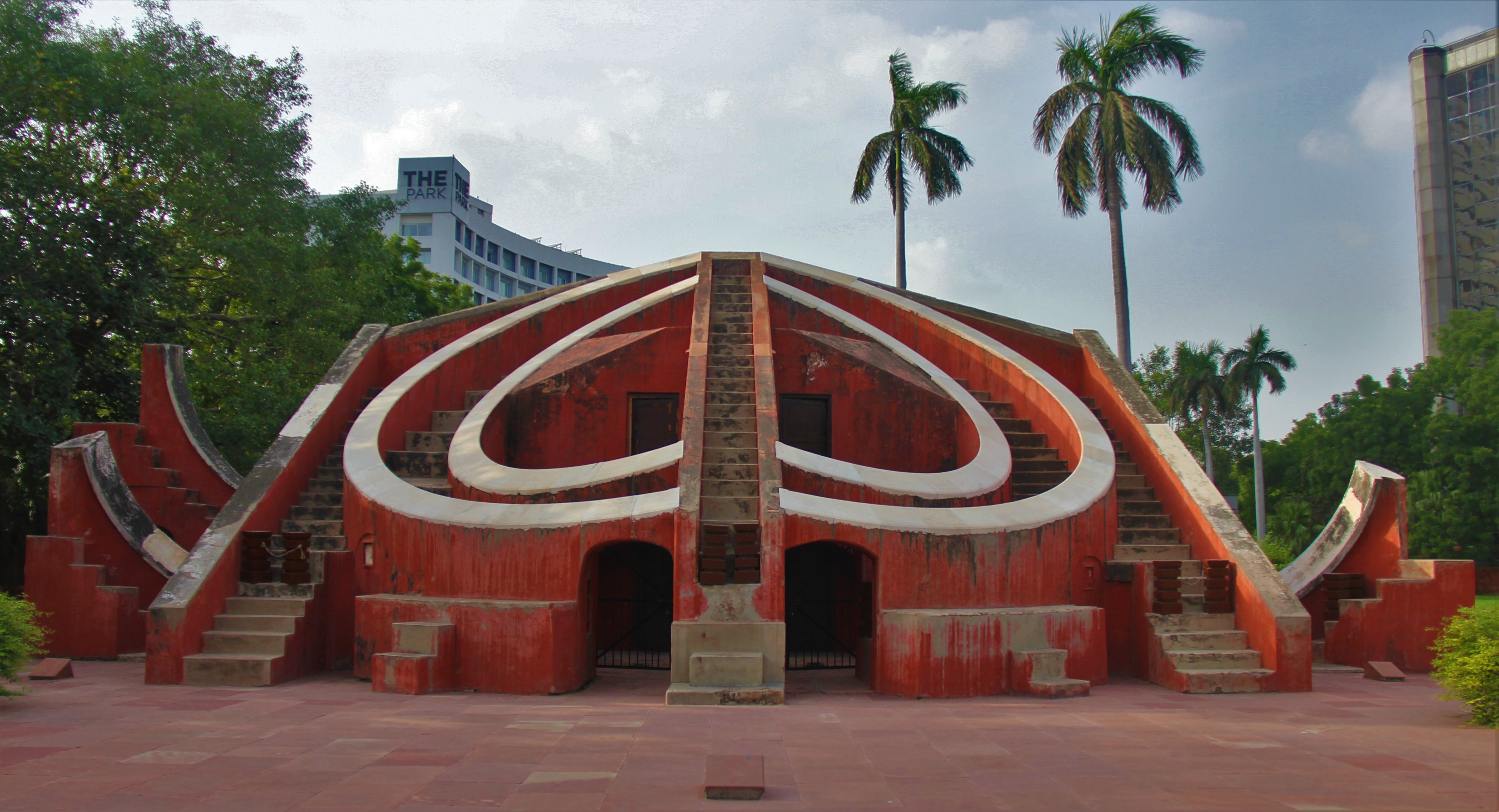
The meeting represents a critical attempt to resolve a mounting political crisis over national education standards and government accountability. The CJP has led a sit-in protest at Jantar Mantar, demanding a leadership change within the Ministry of Education to address systemic failures in the testing process.
During the talks, the CJP delegation presented three demands [1], which included the immediate resignation of Union Education Minister Dharmendra Pradhan [2]. While some reports described the meeting as cordial, CJP leaders expressed dissatisfaction with the outcome. Ashutosh Ranka, a CJP leader, said the meeting with JP Nadda was a waste of time [3].
A spokesperson for the CJP delegation said no commitments have been made so far [4]. Despite the government's appeal for the sit-in protest to end, the CJP announced that its demonstrations would continue. The group maintains that the resignation of Pradhan is a non-negotiable requirement for ending the unrest [2].
Following the meeting, Union Home Minister Amit Shah held a high-level meeting to discuss the situation [5]. Reports indicate that the discussion included whether the exit of Dharmendra Pradhan was a necessary step to stabilize the political environment [5].
The tension on the ground escalated shortly after the diplomatic efforts. Approximately 70 protesters were detained following the meeting [6]. This crackdown follows a period of heightened activity at Jantar Mantar, where the CJP has sought to draw national attention to the NEET row through a sustained public presence.
CJP leaders Saurav Das and Ashutosh Ranka have remained the primary faces of the movement. They said that they have submitted their demands to the government but remain skeptical of the administration's willingness to implement structural changes [2].
“Meeting with JP Nadda was a waste of time.”
The standoff between the CJP and the central government highlights a deepening trust deficit regarding the integrity of India's competitive examinations. By demanding the resignation of the Education Minister, the CJP is attempting to move the conversation from technical exam corrections to political accountability. The detention of 70 protesters suggests the government may prioritize public order over concession, potentially prolonging the unrest during the monsoon session.


