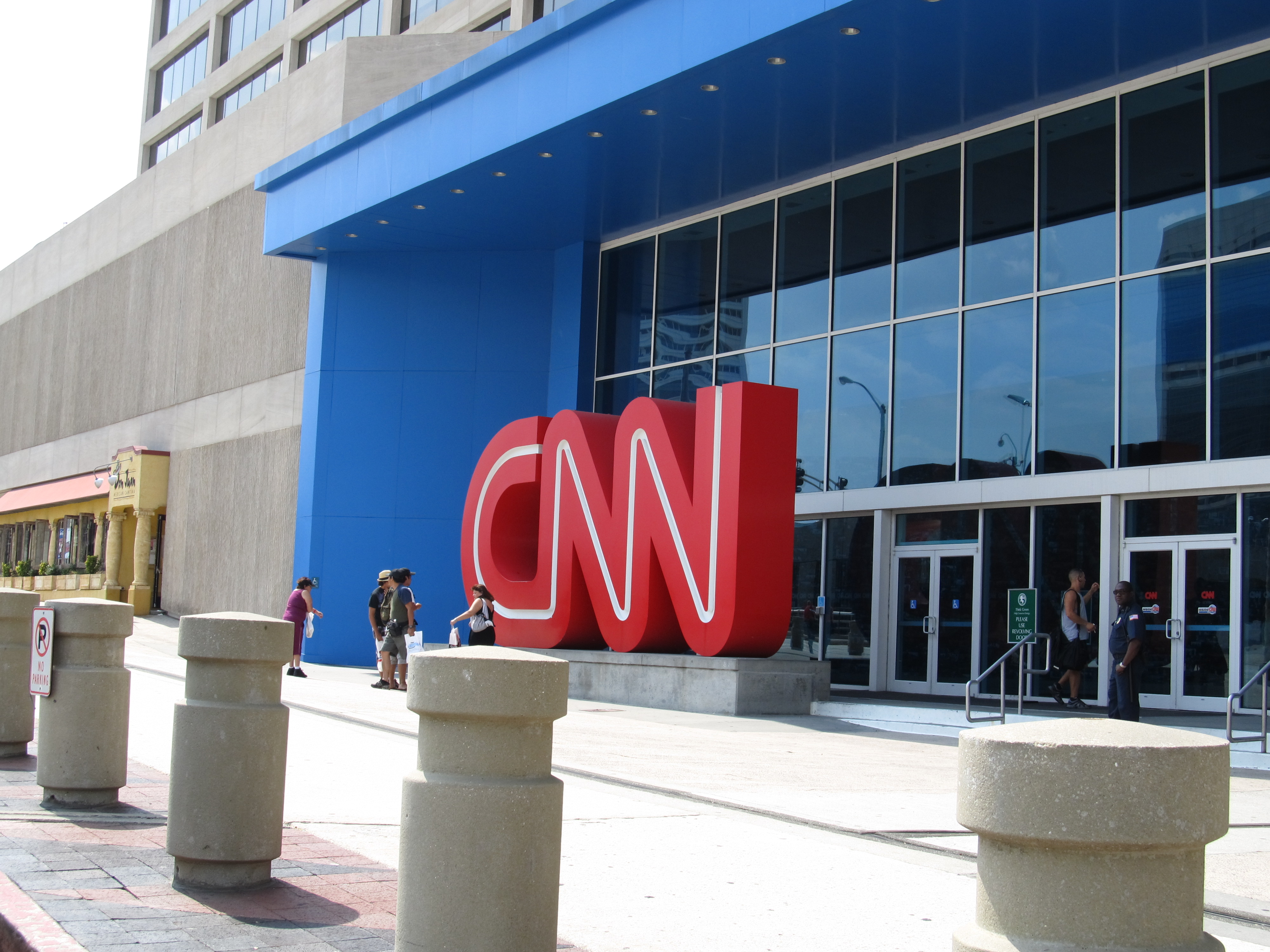
Audie and Ari discussed whether nostalgia can be effectively monetized during a recent episode of CNN's Engagement Party [1].
The conversation addresses a growing trend in the digital economy where creators and companies leverage past cultural memories to drive current revenue. As audiences increasingly seek comfort in familiar aesthetics and legacy media, the ability to translate these feelings into a sustainable business model has become a point of strategic interest.
The discussion took place on the Engagement Party program, which is streamed via the CNN app [1]. The hosts examined the mechanics of how nostalgia functions as a commodity and whether there is a limit to how much consumers will pay for a sense of the past.
Turning nostalgic content into revenue often involves reviving old intellectual properties, or creating new products that mimic the style of previous decades [1]. The hosts explored the potential for these ventures to create long-term value or if they rely on fleeting trends that eventually lose their appeal.
While the dialogue focused on the theoretical potential for profit, it highlighted the tension between authentic emotional connection and commercial exploitation [1]. The hosts weighed the risks of over-saturating the market with nostalgic revivals, which could potentially diminish the value of the very memories being sold.
“Whether nostalgia can be effectively monetized.”
The discussion reflects a broader shift in consumer behavior where 'comfort viewing' and retro-branding are used as risk-mitigation strategies for businesses. By monetizing nostalgia, companies reduce the uncertainty associated with new product launches by anchoring them in existing emotional bonds, though this strategy risks alienating younger demographics who do not share those specific memories.