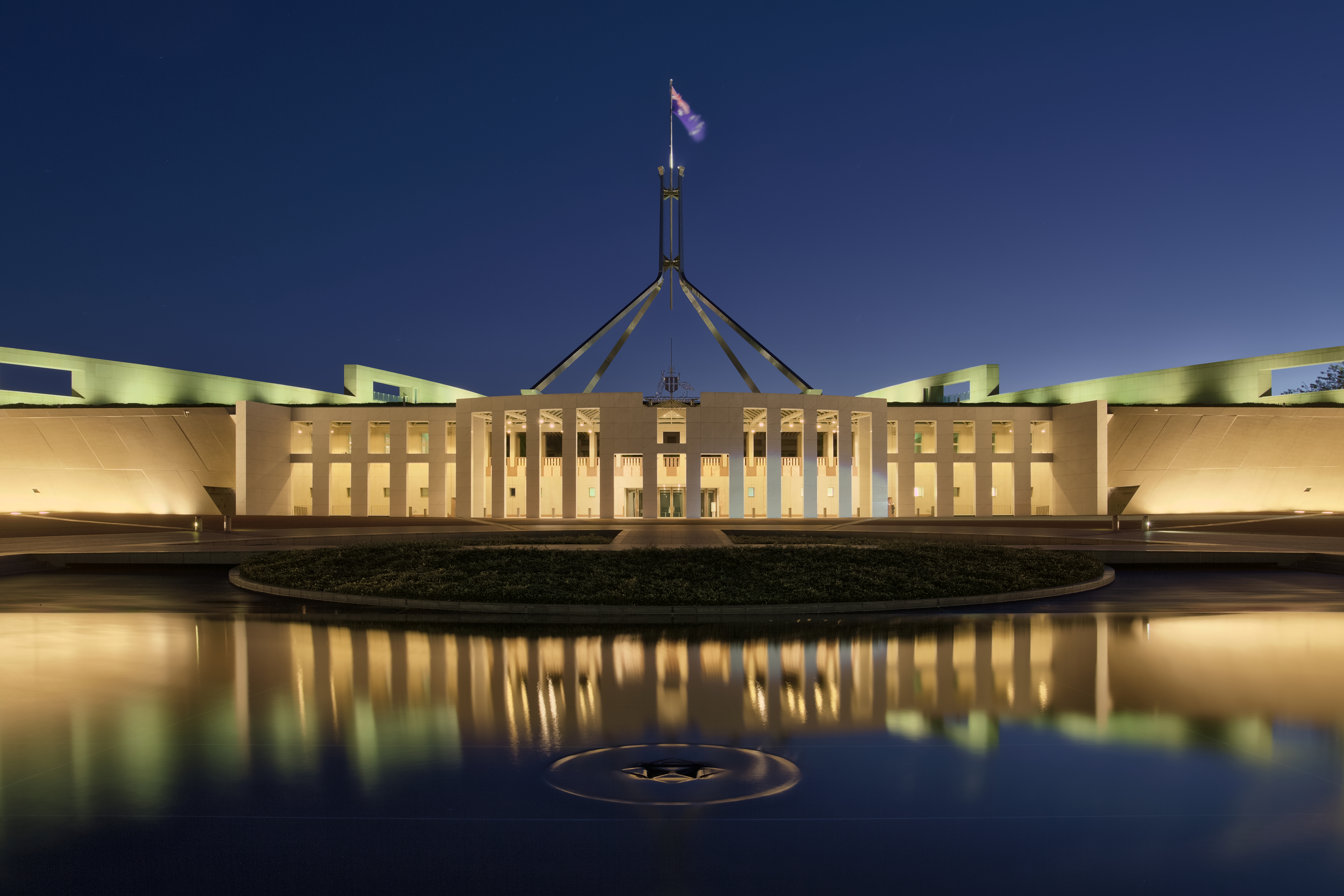
The Coalition said it will work with any party necessary to block proposed tax changes from the Labor government, calling the measures "toxic taxes" [1].
This opposition signals a potential legislative deadlock over key budget reforms. If the Coalition successfully forms a cross-party alliance, it could prevent the government from implementing significant shifts in how property and investment assets are taxed.
Dave Sharma (Coalition), Shadow Assistant Minister for Citizenship, said the Coalition is committed to repealing the measures [1]. Sharma said the government lacks a mandate for the changes and argued that the reforms would cause "immense damage to the economy" [1].
"We’ll work with whoever we can in the parliament to knock out Labor's toxic taxes," Sharma said [1].
While Sharma referred generally to the taxes in his interview, reports indicate the specific targets of the Coalition's opposition are reforms to negative gearing, and capital gains tax [3]. These measures were part of budget reforms discussed in May 2026 [3].
Sharma said the proposed changes would set the nation backwards [1]. The Coalition's strategy involves seeking partners within the parliament to create a voting bloc capable of defeating the legislation [1].
"For us, the biggest thing to defeat here is Labor’s toxic taxes for which they don’t have a mandate, which are going to do immense damage to the economy," Sharma said [1].
“"We’ll work with whoever we can in the parliament to knock out Labor's toxic taxes."”
The Coalition's willingness to partner with any available parliamentary faction suggests a high-stakes strategy to protect investor incentives. By focusing on negative gearing and capital gains tax, the opposition is targeting two of the most contentious pillars of Australian property and investment law, potentially forcing the Labor government to either dilute the reforms or face a significant legislative defeat.