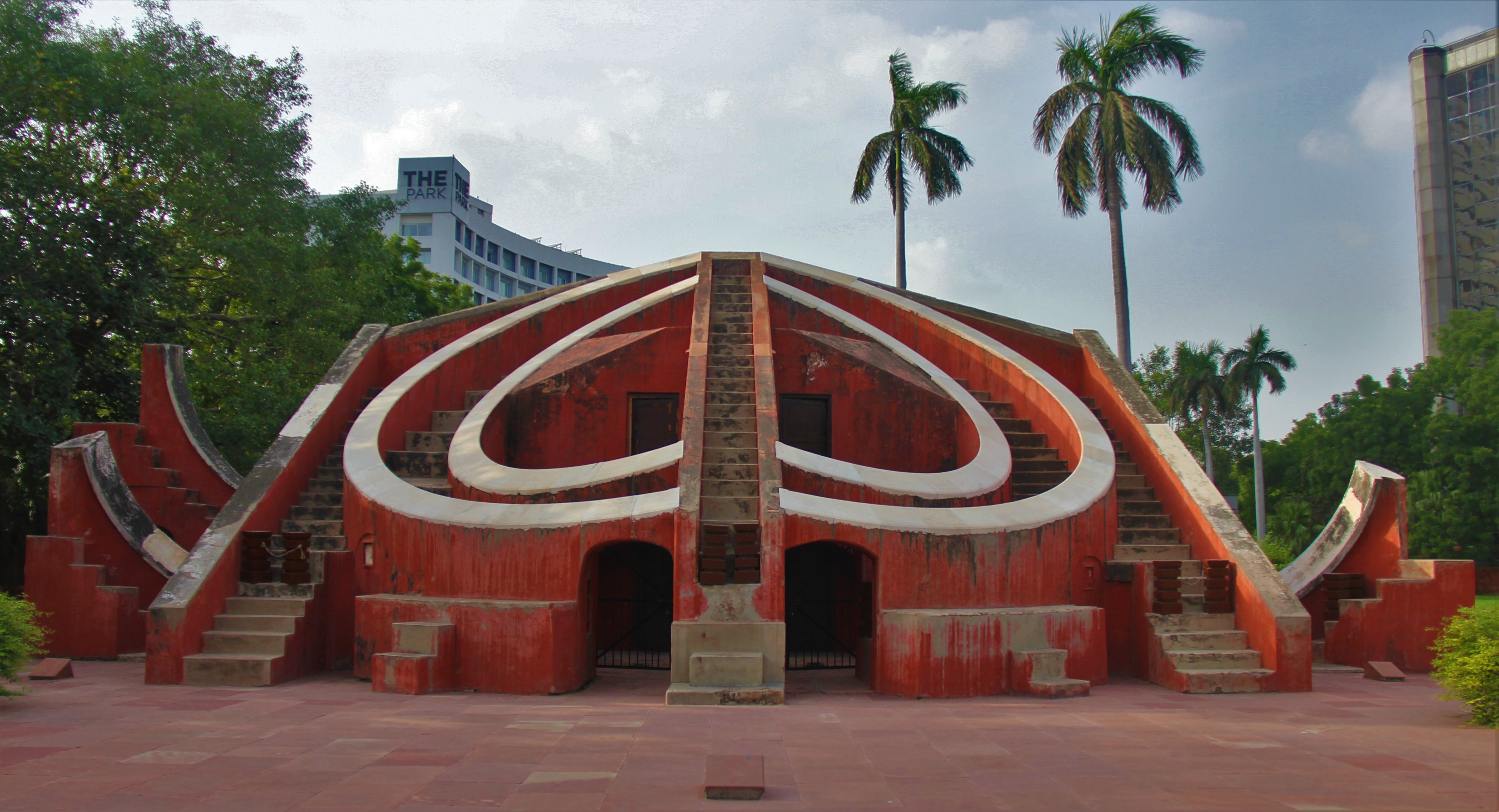
The Cockroach Janta Party staged a sit-in protest at Jantar Mantar in New Delhi to demand the resignation of Union Minister Dharmendra Pradhan [1].
The demonstration highlights growing frustration among India's youth regarding systemic failures in national examinations and a tightening job market. Because the NEET exam is a critical gateway for medical education, allegations of paper leaks suggest a breach of meritocracy that affects thousands of students.
Led by Abhijeet Dipke, the group has maintained a camp at the historic site. The protest entered its third day [1] as part of a larger movement that began in late May 2024 [2]. The group is specifically targeting the education minister for his role in overseeing the contested examination process.
Beyond the immediate controversy of the NEET paper leak, the movement is fueled by a broader youth jobs crisis [2]. Protesters argue that the lack of transparent testing, and limited employment opportunities, have created an environment of instability for graduates. The use of the "Cockroach" moniker reflects the group's intent to persist despite attempts to clear or ignore their demands.
While some reports have attempted to link the protests to specific political figures or parties, verified reports indicate the movement is centered on the education ministry's handling of the exam row [1, 3]. The sit-in remains focused on the demand for accountability regarding the leak and the subsequent impact on students' careers.
“The Cockroach Janta Party staged a sit-in protest at Jantar Mantar in New Delhi.”
This protest signals a shift in how youth grievances are organized in India, moving from traditional student unions to more eccentric, highly visible 'parties' like the CJP. By linking a specific administrative failure—the NEET paper leak—to the systemic issue of unemployment, the protesters are attempting to turn a technical grievance into a broader political critique of government competence.


