
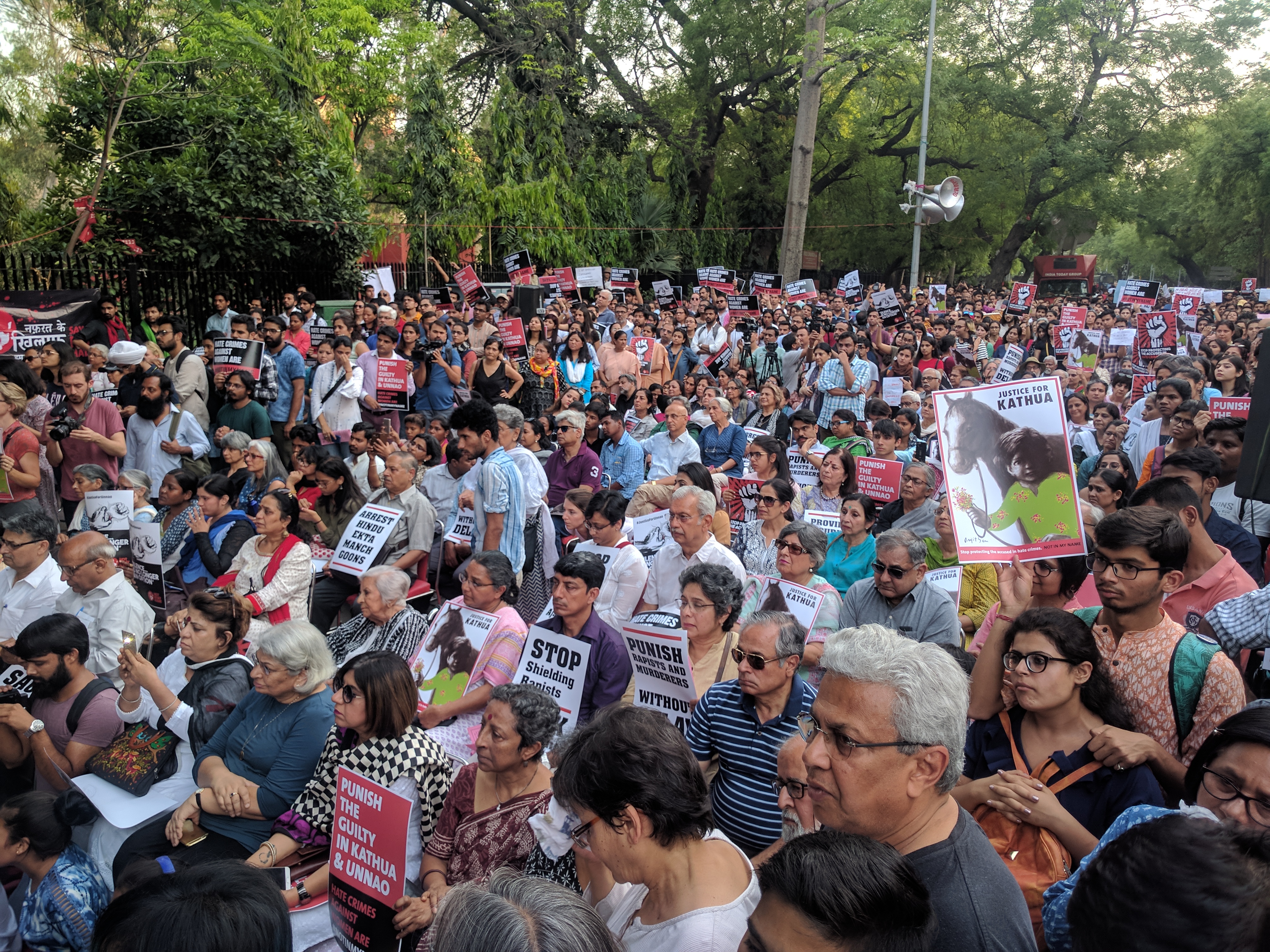
The satirical Cockroach Janta Party is organizing real-world protests in India after starting as an online satire movement [1, 2].
This transition from digital memes to physical activism signals a growing disconnect between India's youth and the traditional political establishment. By adopting a satirical identity, the group aims to channel systemic frustration into a visible pressure campaign that mainstream parties cannot easily ignore.
Based primarily in New Delhi, the movement seeks to highlight specific social and political issues that supporters said are ignored by established parties [1, 2]. The group has evolved from a series of viral jokes into a coordinated effort to voice the anger of a younger generation facing economic and social hurdles.
According to reports, the movement has attracted millions of young Indians [1]. This scale of engagement suggests that the group's message resonates across a broad demographic of the population, moving beyond a niche internet subculture to a wider public presence.
Organizers have used the party's satirical branding to draw attention to the perceived resilience and invisibility of the youth in the current political landscape. The shift to street protests in May 2026 represents a strategic move to force a dialogue with government officials [2].
While the party began as a joke, the intent of the current campaign is to function as a legitimate pressure group. The organizers are leveraging their digital reach to coordinate physical gatherings, turning online followers into active protesters on the streets of the capital.
“The satirical Cockroach Janta Party is organizing real-world protests in India after starting as an online satire movement.”
The emergence of the Cockroach Janta Party reflects a global trend where 'meme culture' is weaponized as a tool for political mobilization. By using satire, the movement lowers the barrier to entry for political engagement among youth who feel alienated by formal party structures. If the group successfully transitions from a satirical entity to a recognized pressure group, it could force mainstream Indian politicians to address youth-specific grievances to prevent further electoral erosion.


