
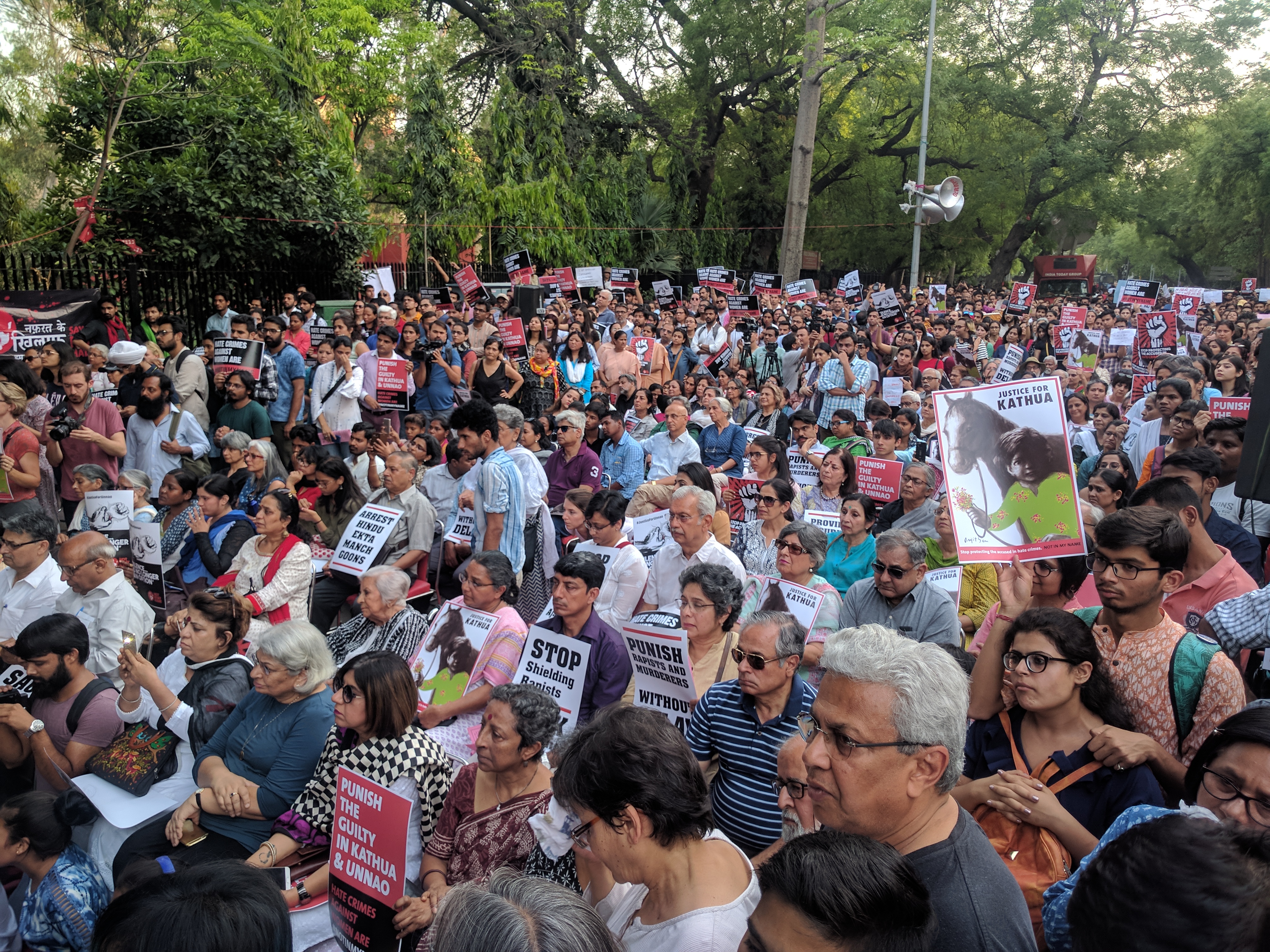
Supporters of the Cockroach Janta Party held their first street protest in New Delhi on Saturday, June 6, 2026 [2].
The event marks the transition of a viral online movement into a physical political presence in India. The group is leveraging Gen Z internet culture to challenge government accountability regarding the national education system.
Protesters gathered in the capital to demand the resignation of India's federal education minister. The demonstrations were sparked by anger over alleged leaks of exam papers, which the group said have compromised the integrity of the academic process [1, 5].
The scale of the protest varied by report. Some accounts indicated that hundreds of supporters gathered for the rally [3], while other reports said that thousands gathered in the capital [4]. The event was led by the party's founder, who recently arrived in India to coordinate the movement's first public action [2].
Though the group began as a mock political party, the organizers are now attempting to turn the movement into a broader revolution [1]. The participants utilized the imagery of the "cockroach" to symbolize resilience, and the ability to survive despite systemic failures.
The group has previously engaged in online protests before moving to the streets [6]. This transition suggests a growing willingness among the youth to engage in direct action to address administrative corruption, and academic instability.
“The event marks the transition of a viral online movement into a physical political presence in India.”
The emergence of the Cockroach Janta Party reflects a trend of 'meme politics,' where digital satire is used as a gateway to legitimate political mobilization. By focusing on exam leaks—a high-stakes issue for India's youth—the group is converting internet notoriety into a focused critique of government incompetence, signaling a shift in how Gen Z in India may express political dissent.



