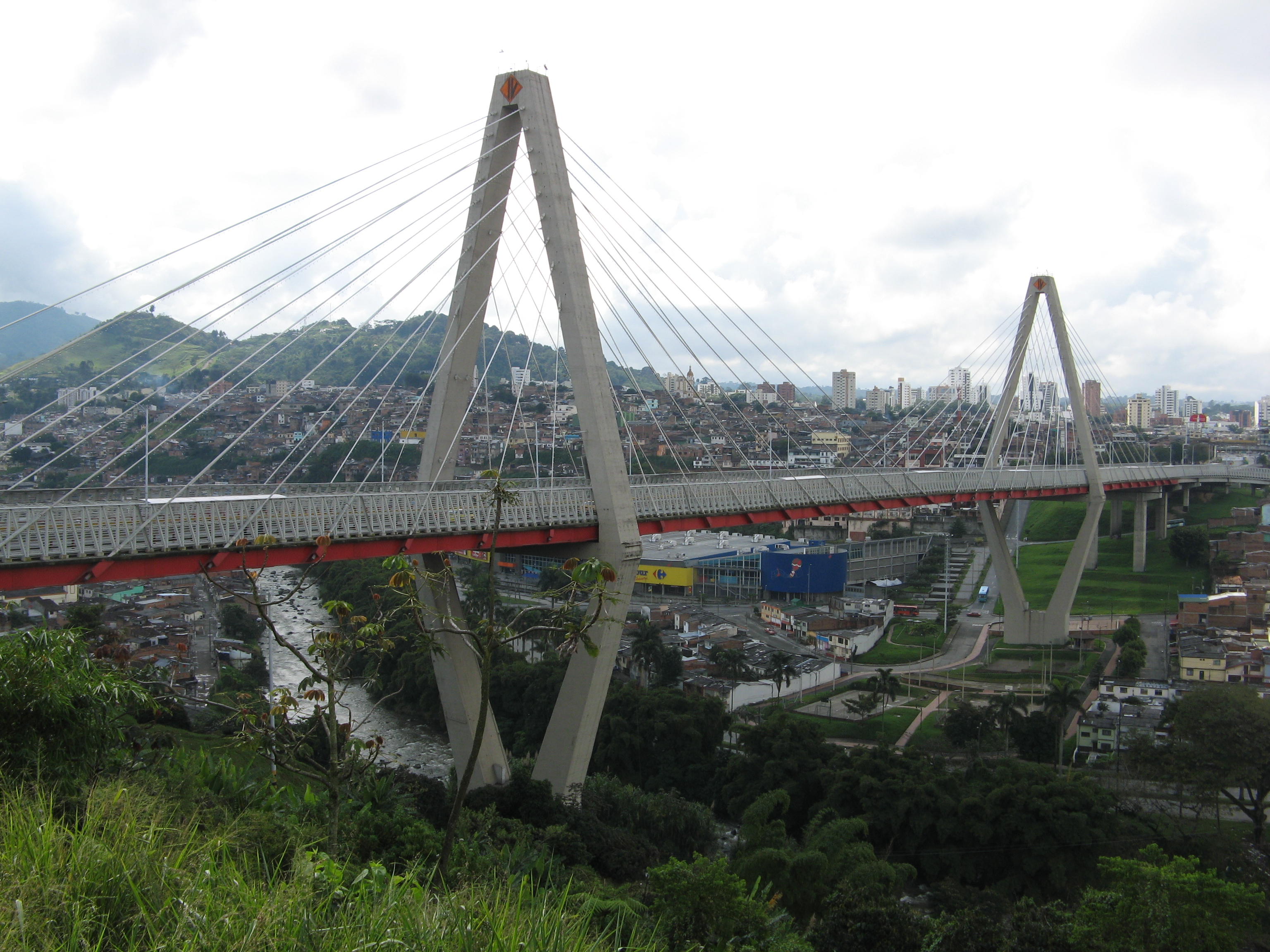
A magnitude-7.4 earthquake [1] struck western Colombia on Monday at 7:34 a.m. local time [5], causing buildings to collapse and prompting mass evacuations.
The disaster highlights the vulnerability of urban infrastructure in the region to high-magnitude tectonic events. The scale of the destruction has triggered an immediate emergency response in several cities.
The epicentre of the quake was located in the Chocó department of western Colombia [6]. In the city of Pereira, residents fled into the streets as structures began to fail. Reports on the extent of the damage vary, with some sources saying that dozens of buildings collapsed [3], while others report more than a dozen structures fell [2].
Casualty figures remain inconsistent as rescue operations continue. One report indicates that at least 47 people have died [2], while other outlets report a death toll of at least 20 [3]. A third report from Sky News listed the death toll as at least two [4].
The tremor was felt across western Colombia and into neighboring Ecuador [3]. In some areas, the panic was exacerbated by the collapse of public structures, including a church [7]. Local authorities are currently working to assess the full extent of the casualties and the stability of remaining buildings.
Emergency crews are prioritizing search and rescue efforts in the hardest-hit zones. The magnitude of the event—7.4 [1]—places it among the more powerful seismic events to hit the region, contributing to the significant structural failures reported in urban centers.
“A magnitude-7.4 earthquake struck western Colombia on Monday.”
The wide discrepancy in reported death tolls—ranging from two to 47—suggests a chaotic early reporting phase typical of large-scale disasters where communication infrastructure is compromised. The collapse of multiple buildings in Pereira indicates that local building codes may not have been sufficient to withstand a 7.4 magnitude event, potentially leading to a review of seismic safety standards in western Colombia.


