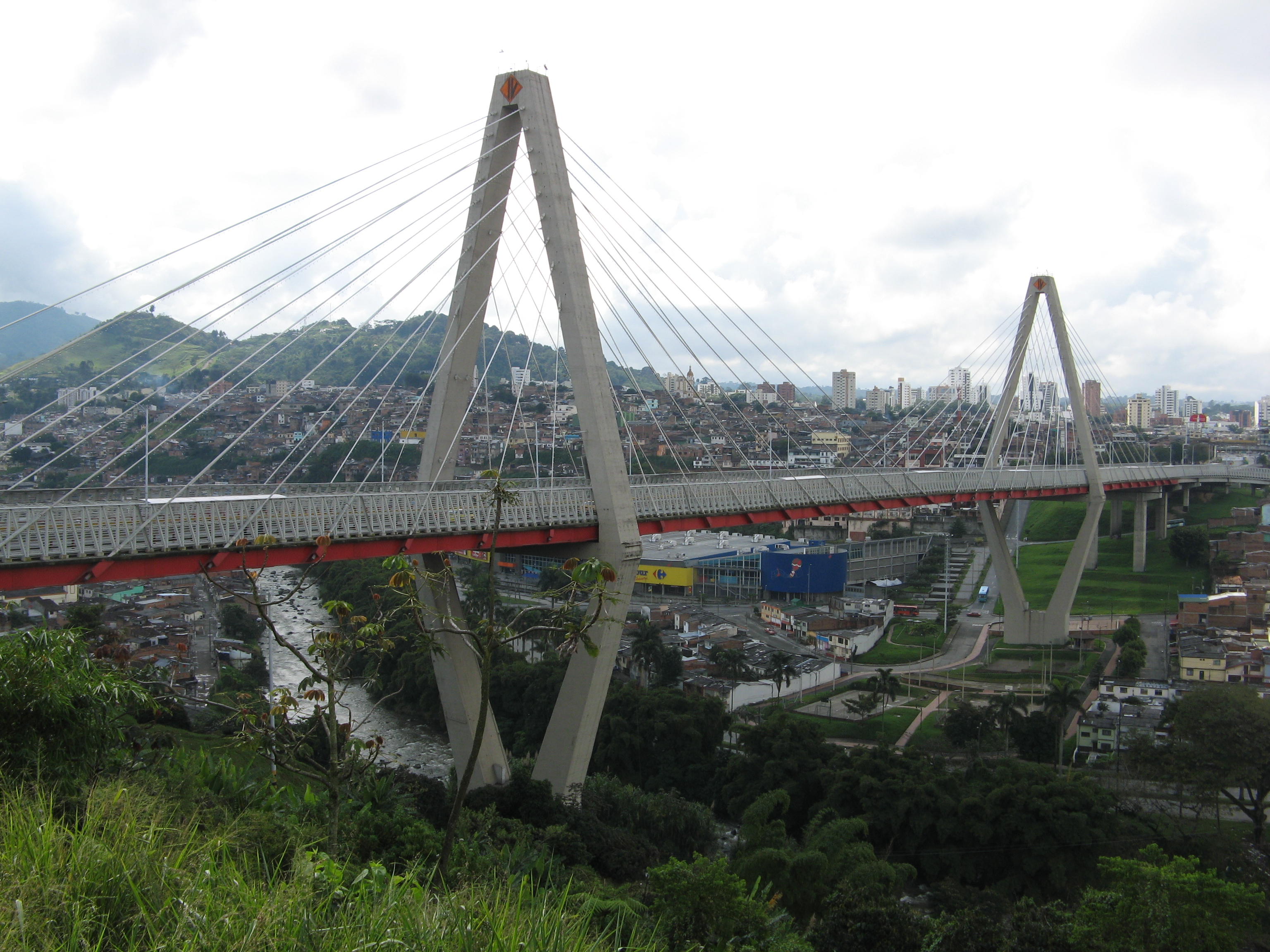
A strong earthquake struck Colombia on Monday, killing at least 250 people [1] and injuring around 2,600 others [2].
The disaster has triggered a massive humanitarian crisis, leaving thousands displaced and forcing emergency services into a race against time to locate survivors before conditions deteriorate.
Rescue teams and volunteers are currently working through the debris in several affected areas. In the city of Pereira, responders are focusing on collapsed structures where residents may still be trapped. The effort involves a combination of professional search-and-rescue units, and local civilians working to clear rubble by hand.
RTVE correspondent Almudena Ariza said the devastation and the ongoing efforts to find those missing under the ruins are significant. The scale of the destruction has complicated the movement of heavy machinery into the hardest-hit zones, a factor that has slowed the pace of the recovery operations.
Official counts indicate that at least 250 people have died [1], though that number may rise as teams reach more isolated areas. Medical facilities are struggling to manage the around 2,600 injured [2] who require urgent care for trauma and crush injuries.
Local authorities have not yet released a full list of the missing, but the focus remains on the first few days following the quake. This window is considered critical for the survival of those trapped beneath the concrete and steel of fallen buildings.
“A strong earthquake struck Colombia on Monday, killing at least 250 people.”
The high casualty rate and the number of injuries suggest significant failures in building code enforcement or a seismic event that exceeded the structural capacity of urban infrastructure. The reliance on volunteers alongside professional teams indicates that the scale of the disaster may have overwhelmed the immediate capacity of Colombia's national emergency response systems.


