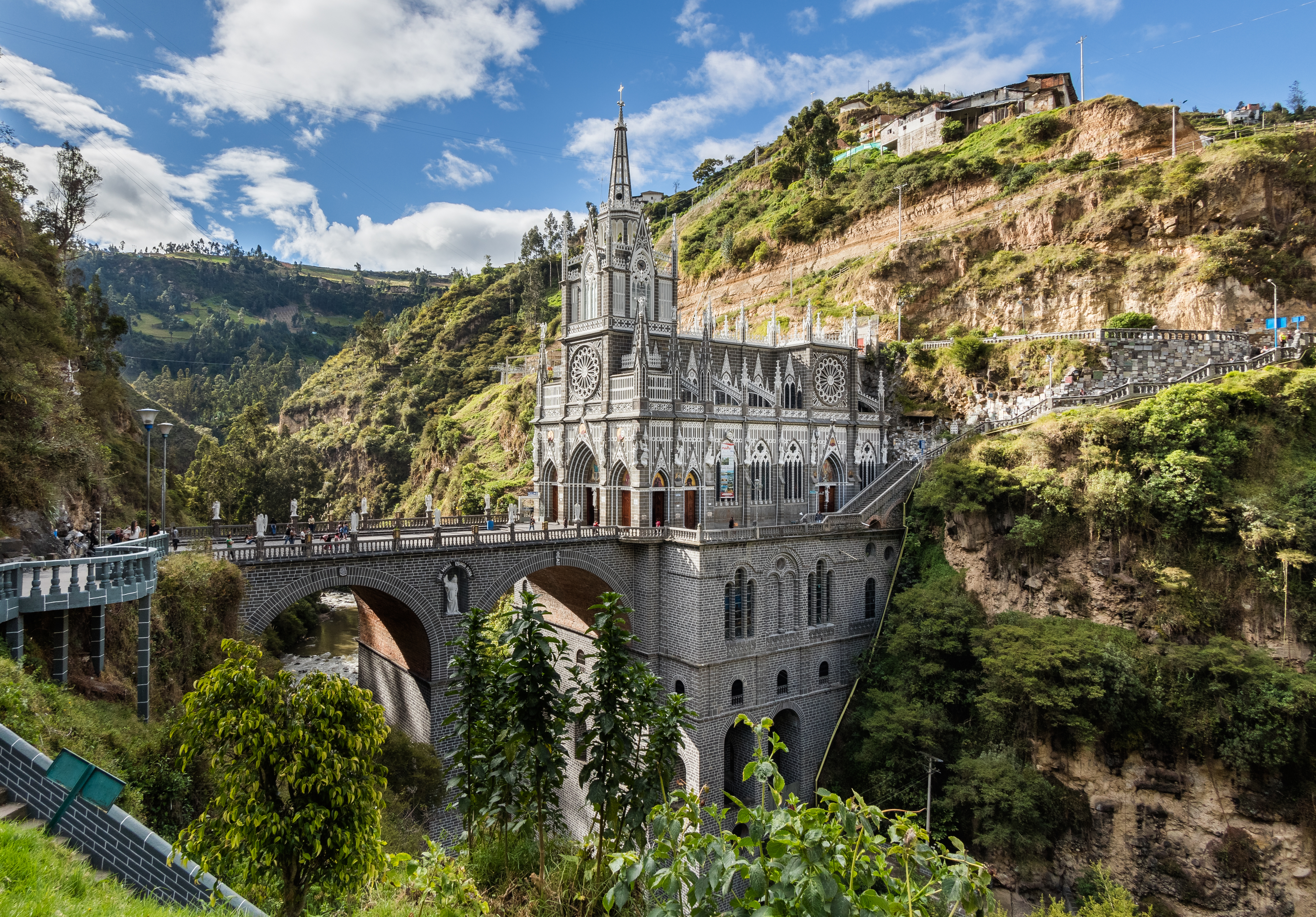
A powerful 7.4-magnitude earthquake struck Colombia on Monday, leaving at least 111 people dead [1, 2].
The disaster has triggered a massive humanitarian response as rescue teams race against time to find survivors trapped beneath collapsed infrastructure. The scale of the destruction threatens local stability and puts immense pressure on emergency services across the affected cities.
Search-and-rescue teams and local officials have spent the last 24 hours combing through debris [3, 4]. The quake, which hit on Aug. 10, 2026, caused widespread building collapses that trapped numerous residents under rubble [4, 5].
The earthquake measured 7.4 in magnitude [2]. This intensity caused major damage across the nation, particularly in urban centers where older structures were most vulnerable to the shaking [6].
Official reports now place the death toll at 111 [1]. Authorities said that the number could rise as teams reach more remote areas and clear deeper layers of wreckage.
Emergency operations remain focused on the most heavily damaged zones. Local officials said that the priority is the extraction of survivors, though the window for successful rescues narrows as time passes [3, 4].
Infrastructure damage has complicated the arrival of aid in some regions. Rescue teams are utilizing heavy machinery, and canine units to locate heartbeats beneath the concrete [3, 5].
“A powerful 7.4-magnitude earthquake struck Colombia on Monday.”
The high death toll and significant building collapses highlight the vulnerability of Colombian urban infrastructure to high-magnitude seismic events. The ongoing rescue effort underscores the critical need for rapid-response capabilities and updated building codes in earthquake-prone regions of South America to prevent similar casualties in future disasters.


