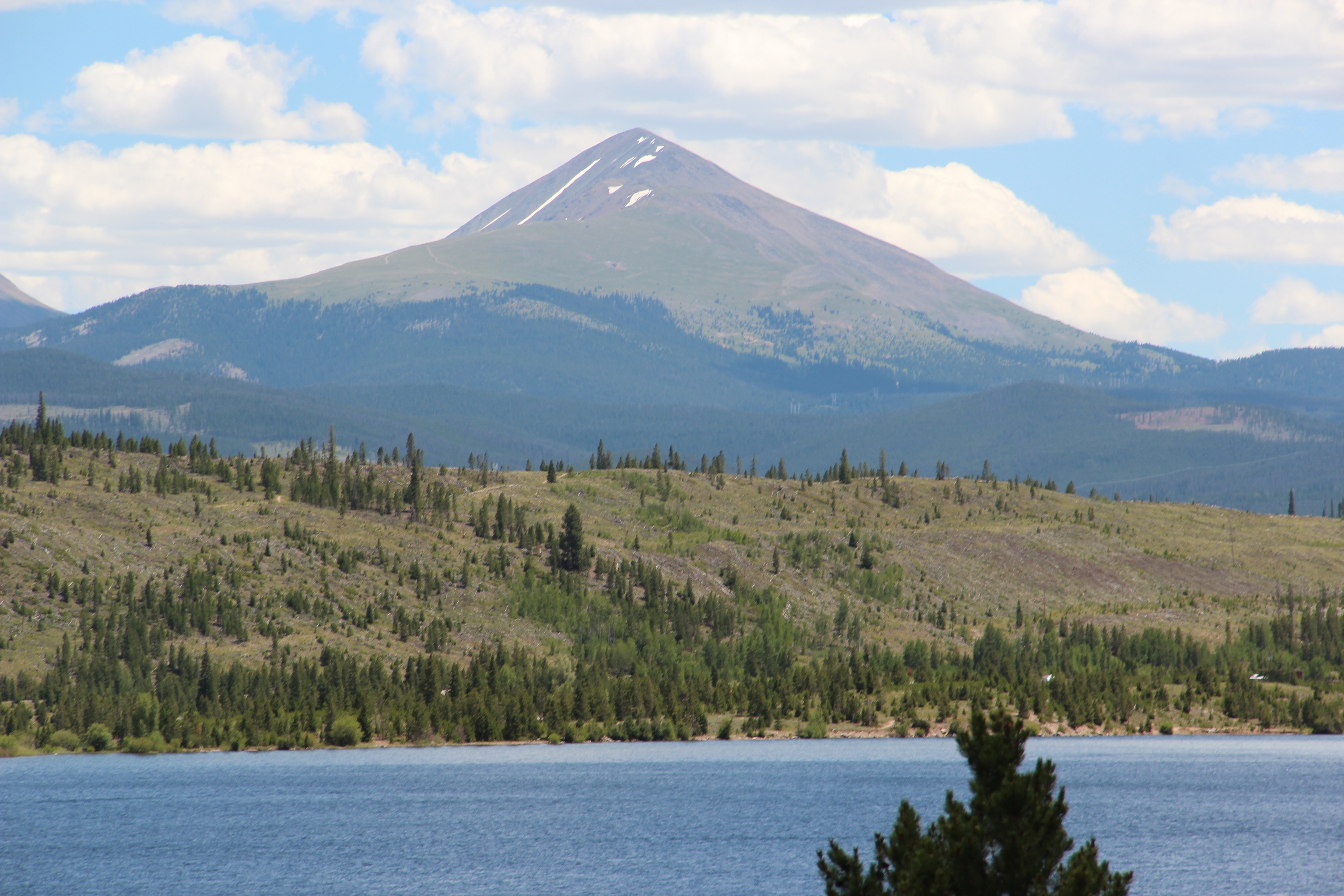
Colorado received spring rain and snow in late April, but widespread drought conditions continue across the state [1, 3].
This persistent water shortage threatens the state's agricultural stability and urban water management. Because the region is recovering from a record-dry winter and an exceptionally dry March, current precipitation is insufficient to offset the overall deficit [1, 4].
Meteorologist Chris Bianchi said that while the moisture provides some relief, it does not resolve the underlying crisis [3]. In the mountain regions, forecasters expect up to 15 inches of snow [2]. While some reports suggest this precipitation brings relief to drought-stricken communities, other forecasts indicate the snowfall will not significantly move the needle on the overall drought status [1, 2].
Farmers across the state are tightening their belts and bracing for potential losses as they enter the summer months [1, 3]. The lack of a robust snowpack from the winter months has left the soil depleted, a condition that recent spring showers cannot fully reverse [1, 4].
Water restrictions remain a primary concern for residents in major cities, including Denver and Aurora [4]. Local officials continue to monitor water levels as the state transitions into the hotter summer season, where evaporation rates typically increase and water demand peaks [4].
“Colorado received spring rain and snow in late April, but widespread drought conditions continue.”
The disconnect between short-term precipitation and long-term drought recovery highlights the fragility of Colorado's water cycle. When a record-dry winter is followed by an exceptionally dry March, a few late-April storms cannot replenish the deep-soil moisture or the mountain snowpack necessary to sustain the state through the summer. This suggests that water restrictions and agricultural losses may be inevitable regardless of isolated spring weather events.


