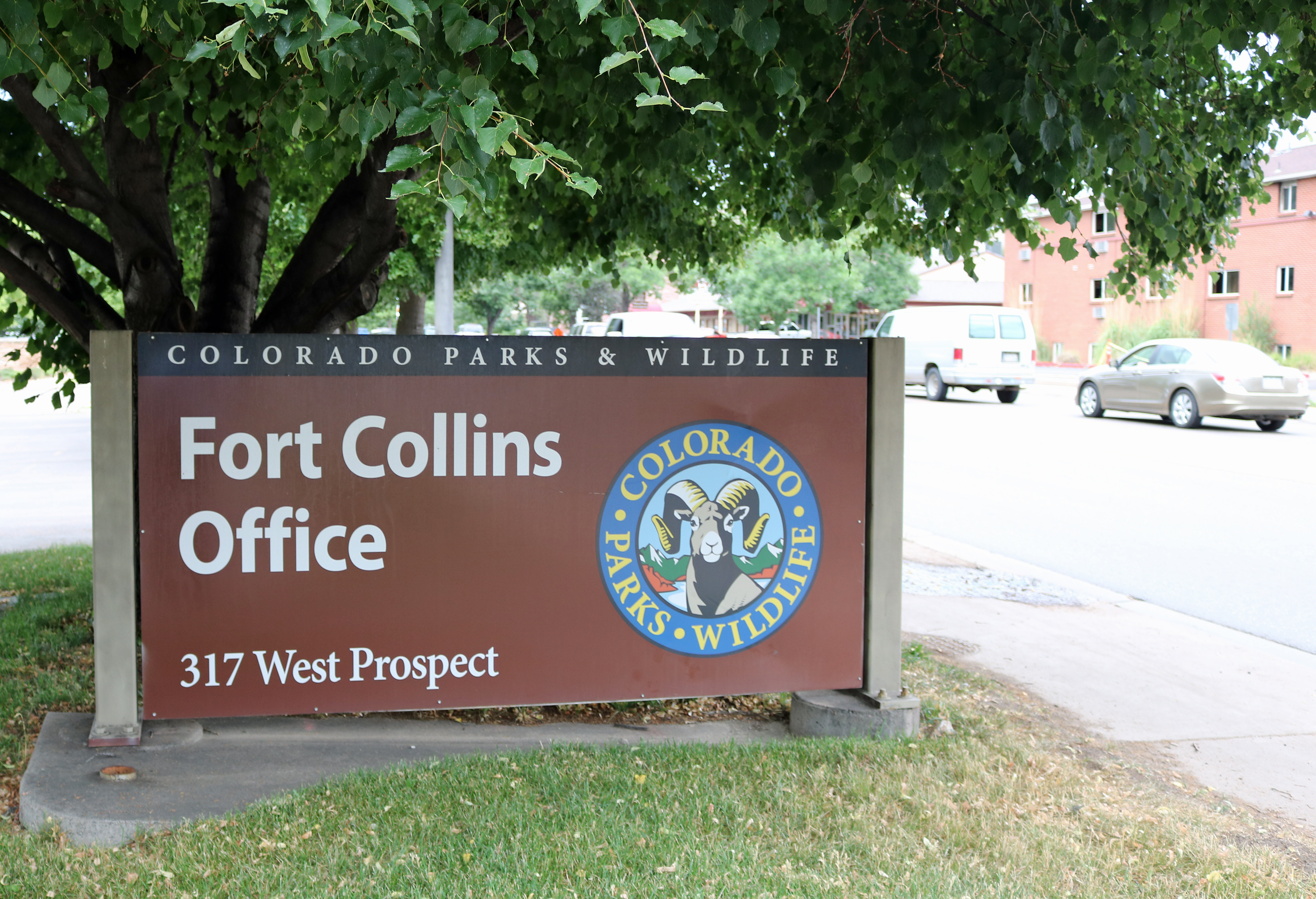
Colorado Parks and Wildlife confirmed the discovery of a new gray wolf pack in the state's central mountains on Wednesday [2].
The confirmation of the Piney Ridge Pack signals a successful expansion of the voter-approved wolf reintroduction program. This growth indicates that the species is successfully reproducing and establishing new territories within the U.S. interior [2, 3].
The new pack was identified in Eagle County [2, 3]. This addition follows the establishment of four previously successful wolf groups in the state [1, 2]. The agency said the wolf population is continuing to grow beyond the initial release sites.
Wildlife officials said there was a significant increase in the number of wolf pups born this year [3]. While the agency did not provide a specific count of the pups, the boom suggests a healthy reproductive rate among the existing packs. This biological surge is a key metric for the long-term viability of the reintroduction project [3].
The expansion of the population is not without friction. As wolves establish new territories in the central mountains, tensions have increased between wildlife advocates and local stakeholders [3]. These conflicts typically center on the impact of predators on livestock, and local land management.
Colorado Parks and Wildlife continues to monitor the movement and growth of these packs to manage the balance between ecological restoration and the needs of the local community [2]. The agency uses tracking and field observations to map the expanding range of the gray wolf across the state [2].
“A new wolf pack has been confirmed in Eagle County”
The establishment of the Piney Ridge Pack demonstrates that Colorado's reintroduction strategy is moving from a controlled release phase to a natural expansion phase. The presence of a fifth pack and a surge in pup production suggests the population has reached a critical mass for self-sustainment, though it simultaneously increases the likelihood of human-wildlife conflict as packs move into new agricultural and residential areas.


