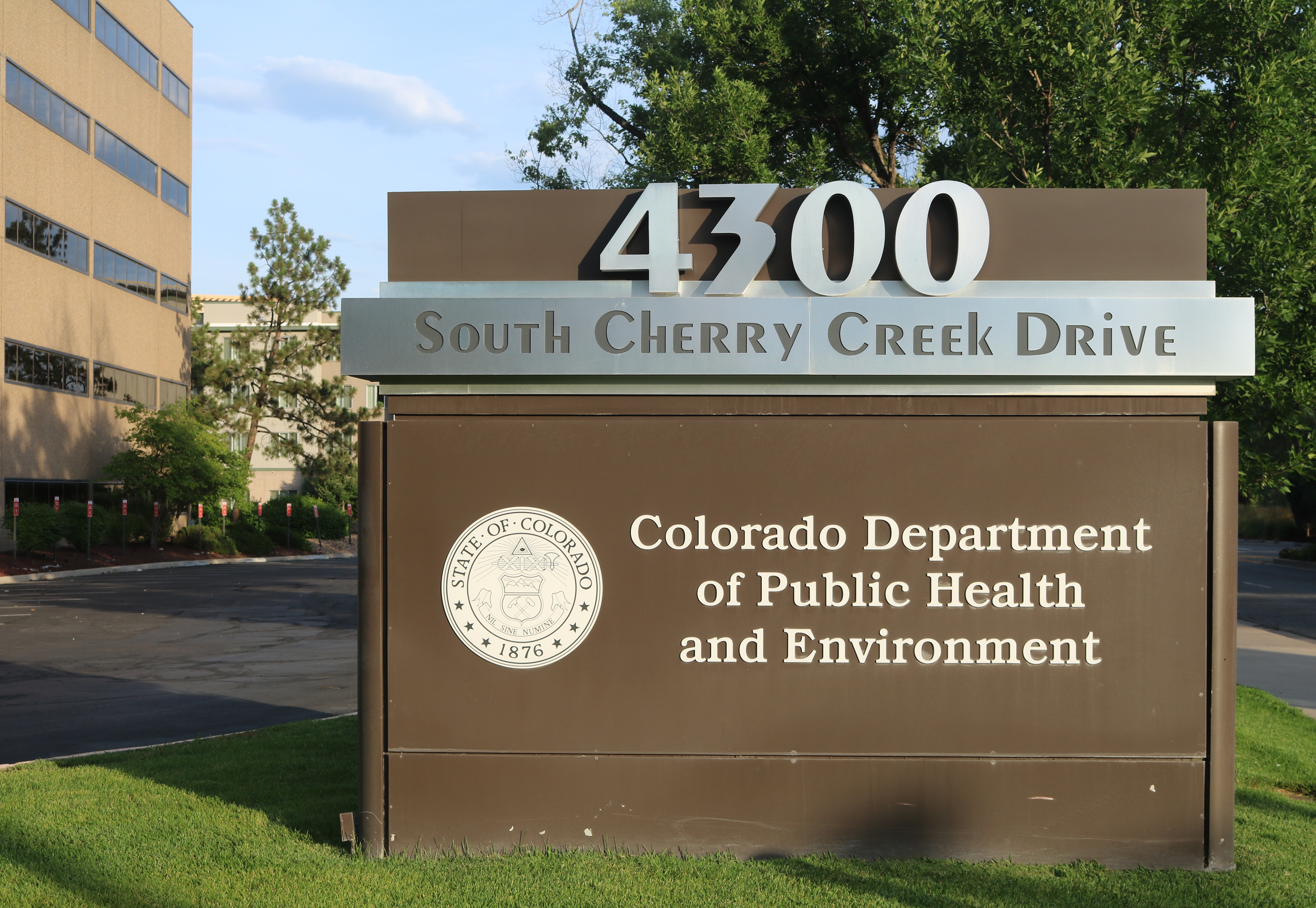
Colorado health officials are reporting a significant surge in salmonella cases across the state [1].
The increase in infections poses a public health risk that requires immediate awareness and preventative action from residents to curb the spread of the bacteria [2].
The Colorado Department of Public Health and Environment (CDPHE) and other state health officials identified the spike in cases this week [1]. Officials said they are alerting the public to the rise in infections to ensure residents can identify symptoms and seek necessary medical care [3].
Salmonella is a common bacterial cause of food poisoning. It typically spreads through contaminated food or water, or through contact with infected animals. Health officials in Colorado are monitoring the situation to determine the primary source of the current outbreak [2].
State authorities said the importance of food safety protocols is critical to prevent further illness. This includes washing hands frequently, cooking meats to the proper internal temperature, and avoiding cross-contamination in the kitchen [1].
While the specific number of cases has not been detailed in the current reports, the CDPHE continues to track the data to identify any specific food products or locations linked to the surge [3]. The department is working with local health providers to ensure consistent reporting of new cases across the U.S. state [2].
Residents are encouraged to report symptoms of salmonella infection to their healthcare providers immediately. Early detection and treatment are critical in preventing severe complications associated with the bacteria [1].
“Colorado health officials are reporting a significant surge in salmonella cases across the state.”
The spike in salmonella cases suggests a potential systemic failure in a specific food supply chain or a widespread environmental contamination event. Because salmonella can be traced back to various sources—including poultry, eggs, and produce—the CDPHE's ability to quickly isolate the source will determine whether this remains a localized surge or evolves into a larger regional outbreak.


