
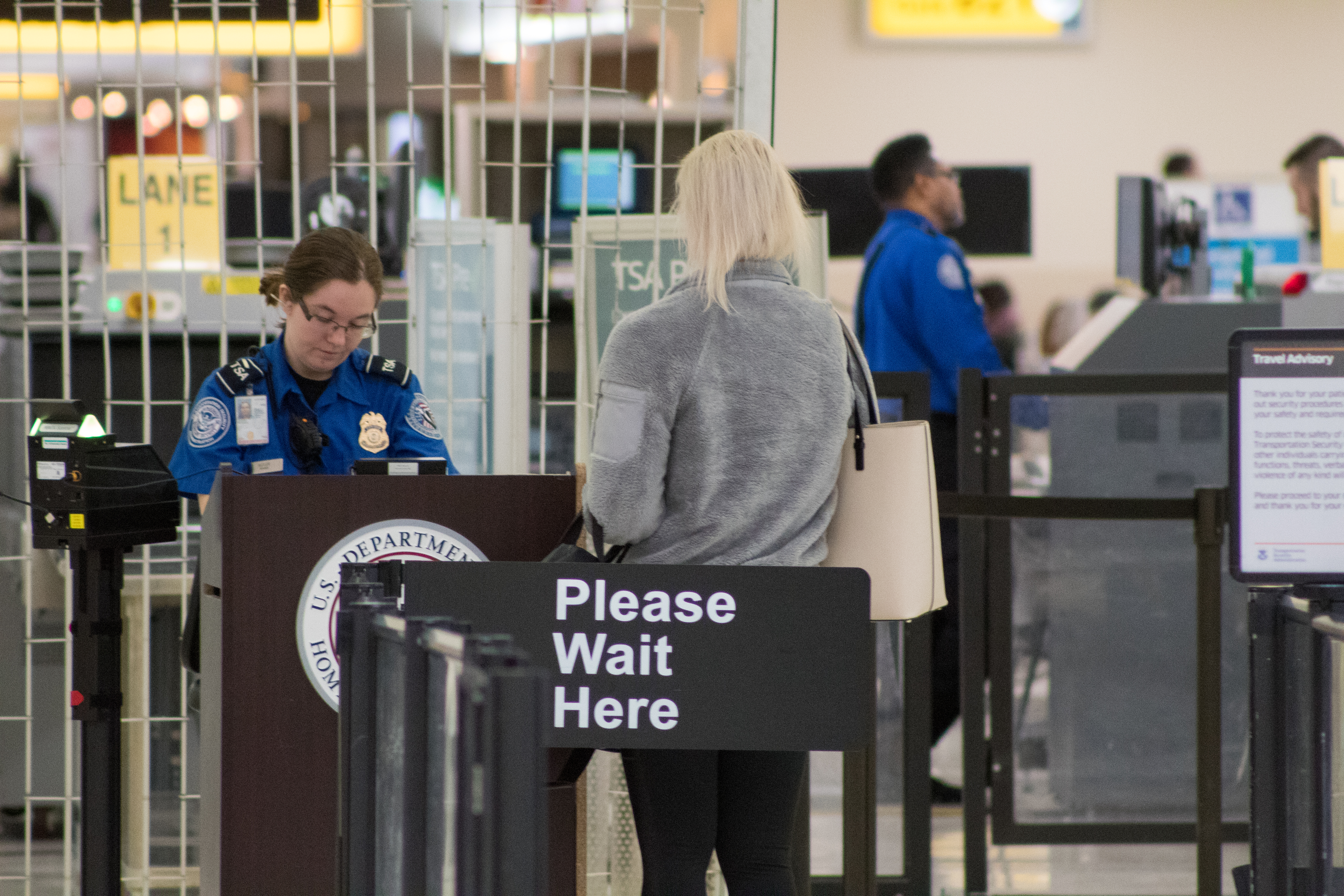
Airport security checkpoints are flagging common carry-on items that may lead to traveler delays, confiscations, or financial penalties [1].
These warnings highlight the gap between passenger assumptions and strict international aviation security regulations. Understanding these restrictions helps travelers avoid missing flights or facing legal issues during customs inspections.
Certain items often overlooked by passengers can trigger security alerts. Powdered chocolate, for example, can be flagged due to restrictions on powdered substances in carry-on luggage [1]. Similarly, various hair-removal devices may be prohibited depending on their design and the specific security protocols of the airport [1].
Regulations vary by region, but the consequences for non-compliance can be severe. Some travelers have faced significant financial risks for bringing prohibited food items through customs. In one instance, a traveler was nearly fined $800 for transporting a common snack [2].
Security officials said these rules are in place to prevent the transport of hazardous materials. While a snack or a beauty tool may seem harmless, they can mimic the appearance of restricted substances or weapons on scanning equipment [1].
Travelers are encouraged to check the specific guidelines of their destination country and the airline they are using before departing. This preparation reduces the likelihood of items being seized at the checkpoint — a process that often occurs without compensation for the passenger [1].
“Powdered chocolate can be flagged due to restrictions on powdered substances.”
This trend reflects a tightening of global aviation security where items that appear benign to consumers are viewed as risks by security software and personnel. As scanning technology evolves, the list of prohibited items may shift, placing more responsibility on the traveler to verify current regulations to avoid costly fines or travel disruptions.


