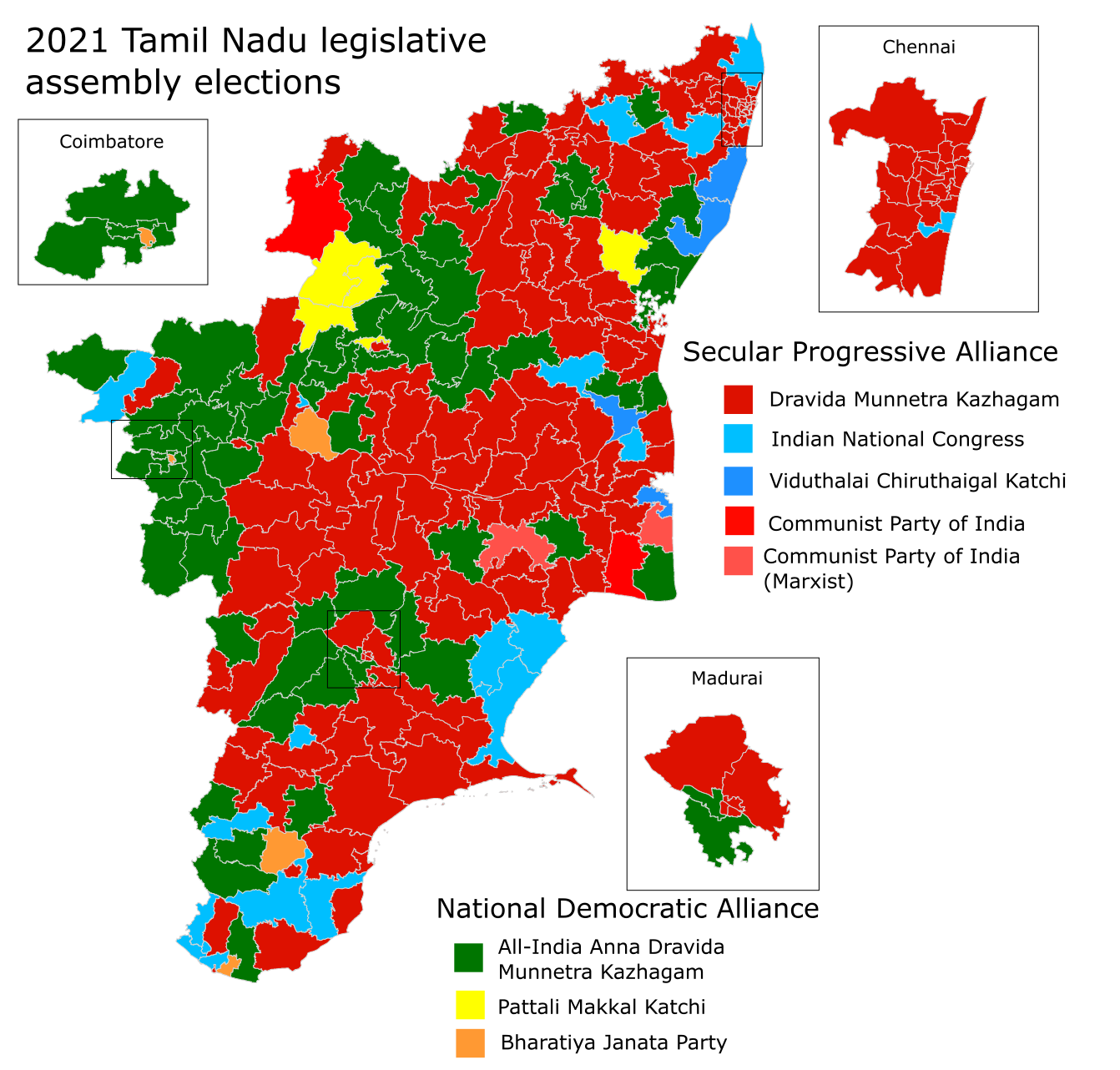
Congress MP S. Jyothimani criticized alleged horse-trading in Tamil Nadu after several AIADMK legislators resigned to join the ruling party.
The situation highlights growing tensions over political stability and ethics in the state, as the sudden exit of lawmakers threatens to shift the legislative balance.
Jyothimani said that horse-trading undermines democratic principles. She said that her party cannot adopt different standards for Tamil Nadu and other states regarding the ethics of switching party affiliations.
Reports indicate that three AIADMK legislators — Maragatham Kumaravel, P Sathyabama, and S Jayakumar — tendered their resignations [1]. A fourth Tamil Nadu MLA also resigned within a 24-hour window [2]. These lawmakers have reportedly sought to join the ruling party.
The wave of resignations has led to accusations of horse-trading, a practice where legislators are induced to change parties. Jyothimani said the party cannot take a dual stand on such matters, suggesting that the integrity of the democratic process must be maintained regardless of the region or the party involved.
While the AIADMK has expressed concern over the departures, the ruling side has seen an influx of members. This movement of lawmakers within the state assembly often leads to legal and political disputes over the validity of the resignations and the subsequent filling of seats.
“Horse-trading undermines democratic principles.”
The resignations of multiple AIADMK lawmakers signal a potential shift in the power dynamics of the Tamil Nadu assembly. By publicly condemning the move, the Congress party is attempting to distance itself from the optics of political poaching while pressuring the ruling party to adhere to democratic norms. This friction underscores the volatility of regional coalitions in India, where individual defections can impact government stability.