
Crude oil prices fell more than 4% this month as a ceasefire between Iran and the U.S. appeared to hold [2].
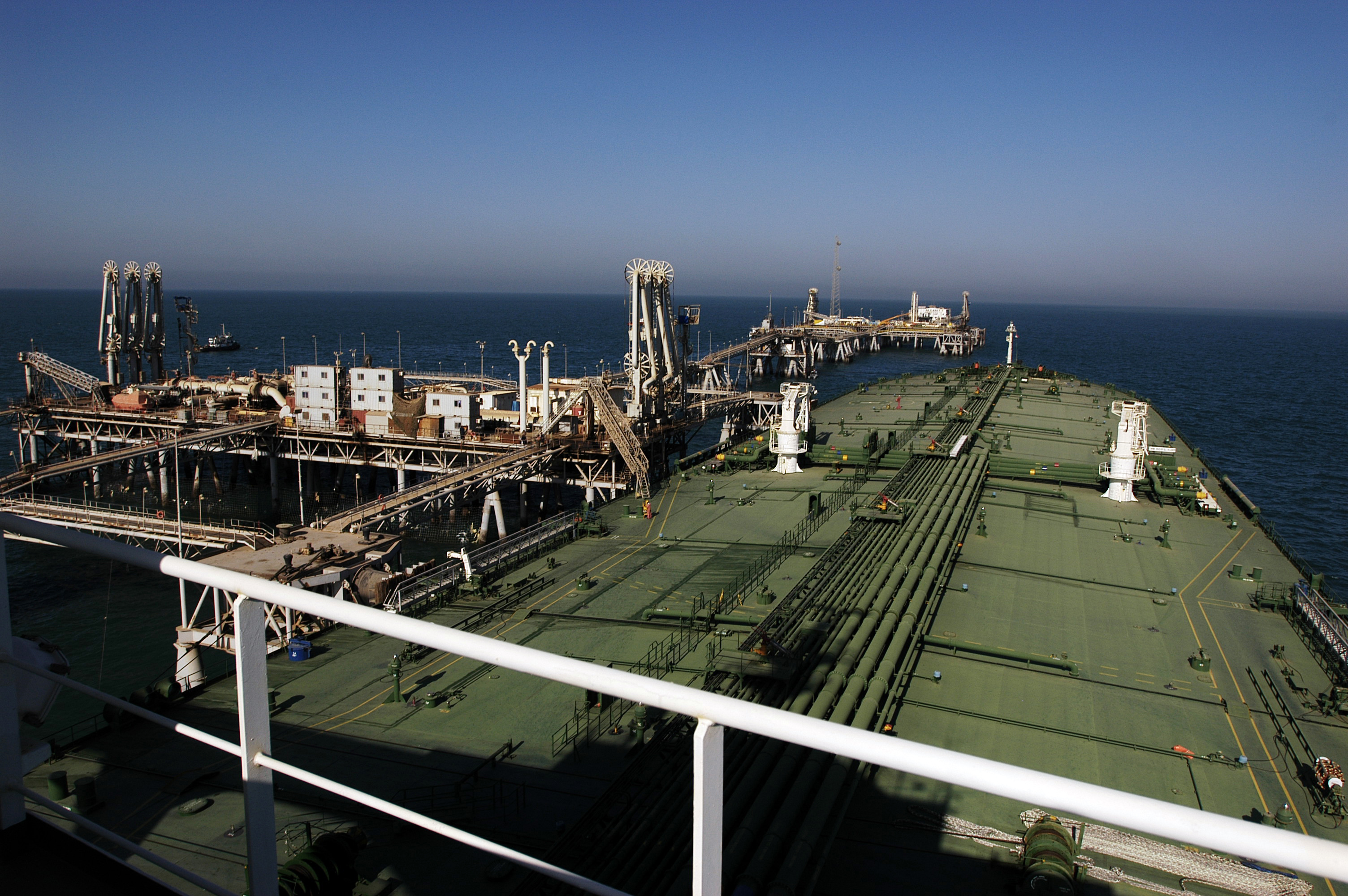
The price swing reflects the fragility of global energy markets when geopolitical tensions escalate in key transit corridors like the Strait of Hormuz and the Port of Fujairah [1].
Volatility began earlier this month on May 6, 2026, when Iran fired missiles at U.S. assets [1]. The U.S. responded with its own strikes, creating a geopolitical shockwave that pushed crude oil prices up by just over 1% [1]. Traders reacted to the flare-up by pricing in potential supply disruptions in the Middle East, driving prices to a one-week high [1].
However, the market sentiment shifted as the threat of a wider conflict diminished. By June, prices tumbled as the ceasefire took hold [2]. Specifically, West Texas Intermediate (WTI) crude prices dropped 4.27% [2].
The fluctuations highlight how quickly military actions in the region can impact global benchmarks. While the initial missile exchange triggered a sharp increase, the subsequent stability provided a correction for the market [1], [2].
“Crude oil prices fell more than 4% this month as a ceasefire between Iran and the U.S. appeared to hold”
The rapid reversal in oil prices demonstrates that market volatility is currently driven more by short-term geopolitical risk than by long-term supply and demand fundamentals. The sensitivity of the Port of Fujairah and the Strait of Hormuz ensures that any military friction between the U.S. and Iran will likely cause immediate price spikes, regardless of overall global economic trends.


