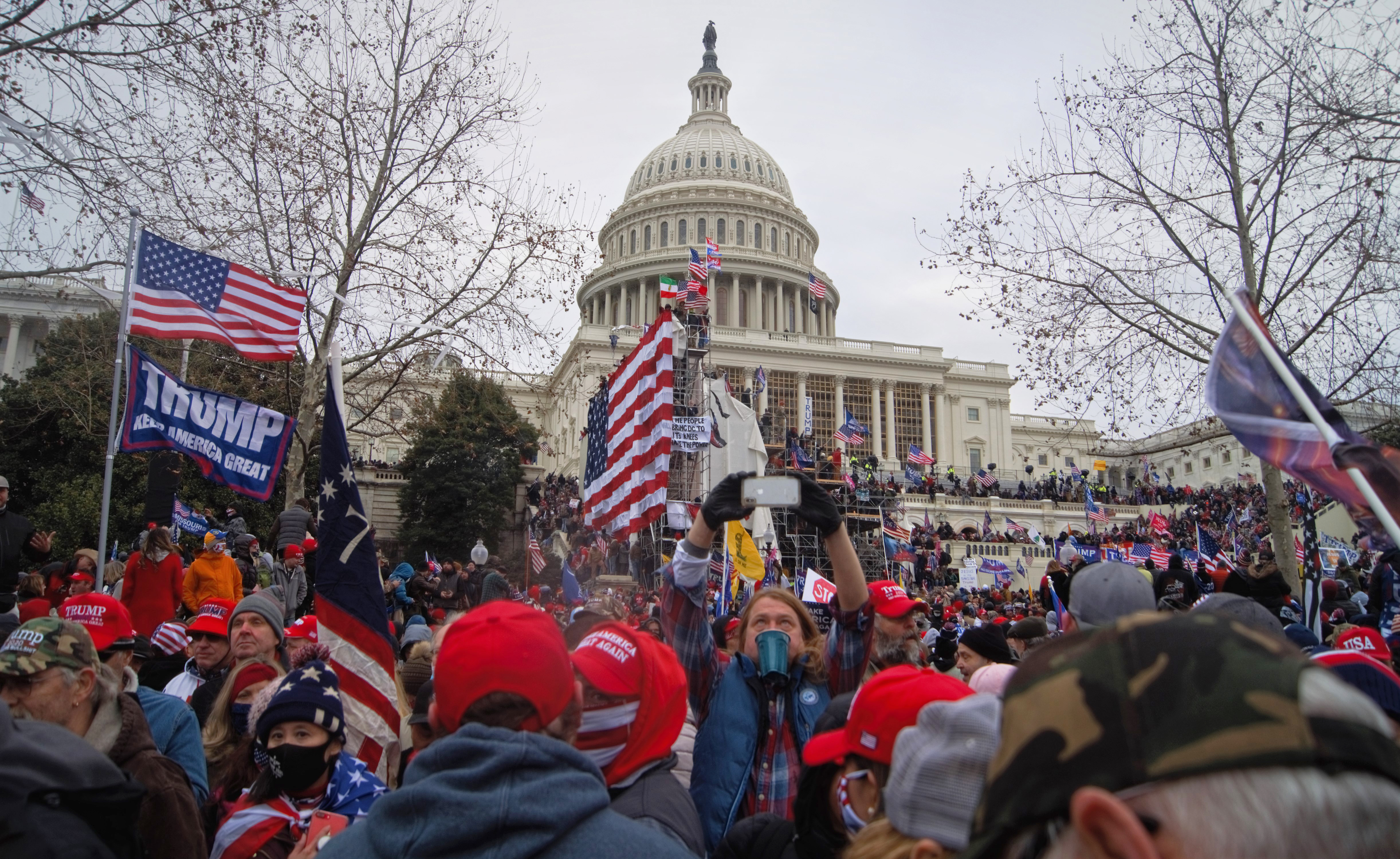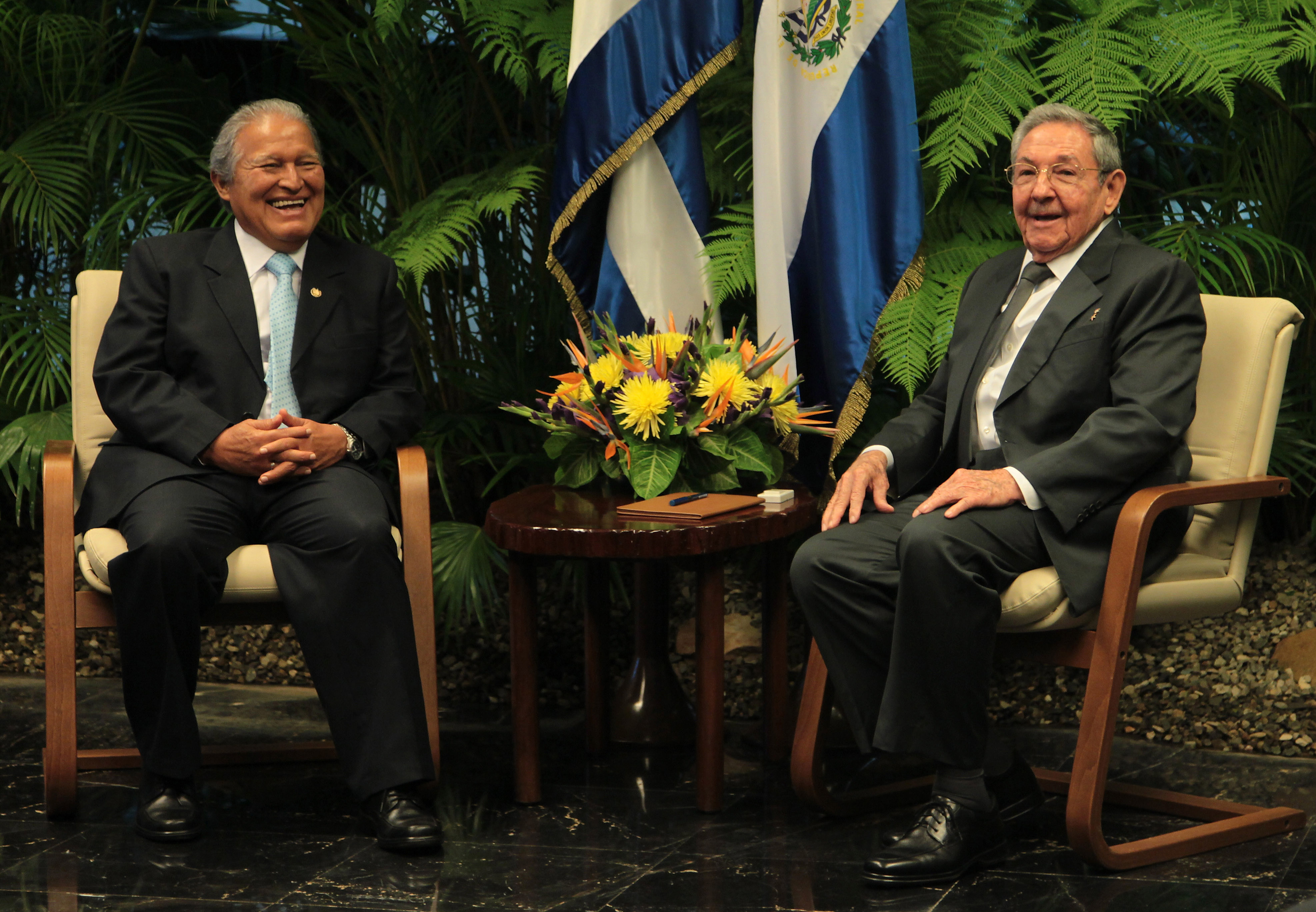
Thousands of Cuban citizens gathered outside the U.S. embassy in Havana on Friday, May 22, 2026, to protest the indictment of Raúl Castro [1].
The demonstration follows a move by the U.S. Department of Justice to seek accountability for events that occurred 30 years ago [1]. The legal action reignites long-standing tensions between the two nations over historical military and political conflicts.
The U.S. Department of Justice filed an indictment accusing Castro and five other individuals of conspiring to kill U.S. citizens [1], [2]. The charges specifically relate to the destruction of aircraft and murder connected to the 1996 downing of two civilian planes [1], [2].
Protesters assembled in Havana to express their opposition to the charges. Some participants were heard shouting, "Viva Raúl!" [2]. While some reports describe the event as a spontaneous gathering of citizens [1], other accounts characterize the demonstration as an organized act of "patriotic reaffirmation" [3].
The U.S. government maintained that the legal proceedings are necessary for justice. "The indictment reflects our commitment to hold accountable those responsible for the downing of the planes in 1996," a U.S. Department of Justice spokesperson said [1].
Raúl Castro, the former president, remains a central figure in Cuban politics. The 1996 incident involved the interception of civilian aircraft, an event that led to significant diplomatic fallout and international condemnation at the time [1]. The current indictment seeks to address these actions through the U.S. judicial system, despite the decades that have passed since the events took place [1].
“"Viva Raúl!"”
The indictment of Raúl Castro signals a shift toward aggressive legal accountability for historical grievances, regardless of the time elapsed. By targeting a former head of state for the 1996 aircraft downings, the U.S. is leveraging its judicial system to challenge the Cuban government's narrative of sovereignty and national defense. This move likely ensures that diplomatic relations between Havana and Washington will remain strained as both sides use the incident to bolster internal patriotic sentiment.