Well-preserved bones of a woolly mammoth were uncovered in the Danube riverbed in Bulgaria this month [1, 2].
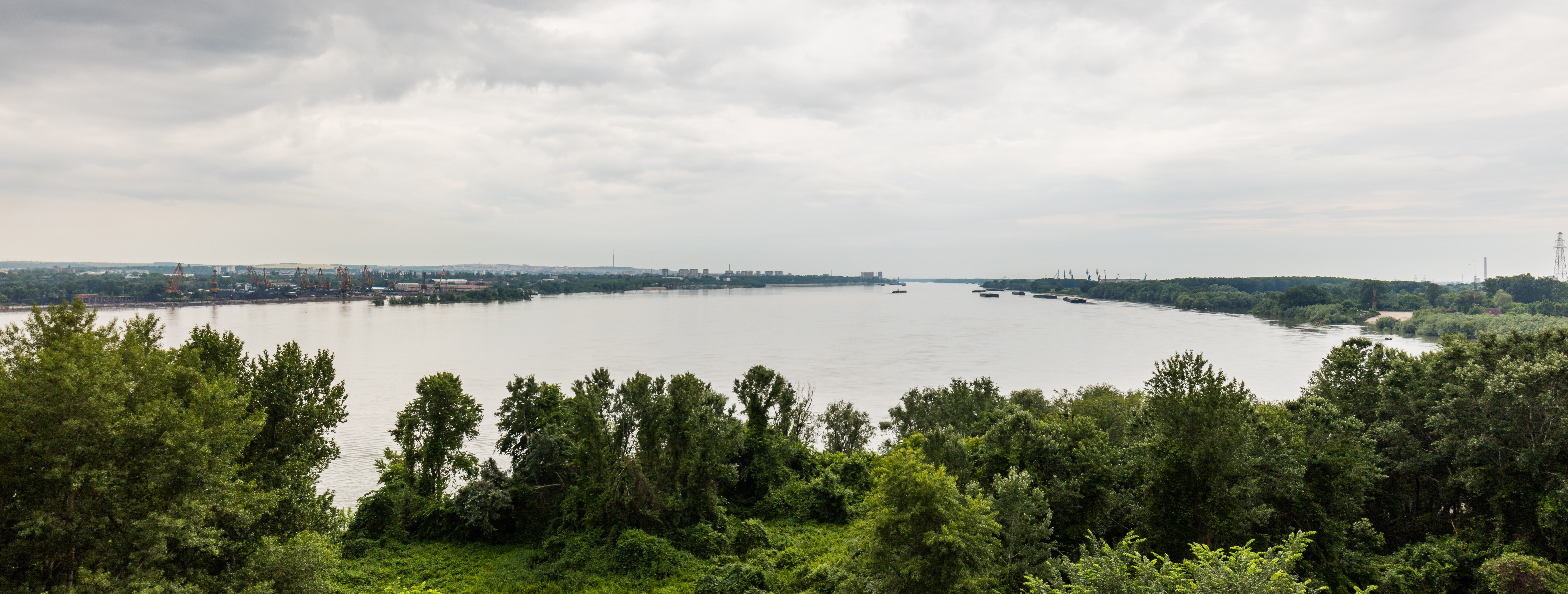
The discovery provides a rare opportunity for paleontologists to study Ice Age remains, though the find is a direct result of severe environmental distress. Prolonged rain shortages and successive heatwaves since May have caused record-low water levels, stripping the riverbed of its cover and exposing the fossils [1, 3].
The remains were located near the northeastern Bulgarian city of Ruse, specifically close to the village of Ryahovo [3, 4]. A local museum director said the bone fragments found in the area "very likely" belonged to a woolly mammoth that lived during the Ice Age [3].
The Danube is a critical waterway that runs through 10 countries from the Black Forest to the Black Sea [1]. The current drought has turned sections of the river into parched plains, allowing researchers to access areas typically submerged under deep water.
Scientists believe the find could help them study Ice Age landscapes [4]. However, the context of the discovery serves as a stark reminder of the extreme weather currently affecting Europe. The combination of heat and lack of precipitation has created a landscape where ancient history is emerging from a modern climate crisis.
Local authorities and museum officials continue to assess the fragments to determine the full extent of the find. The preservation of the bones is attributed to the specific conditions of the riverbed, which kept the remains protected until the water receded this July [2, 5].
“The find could help scientists study Ice Age landscapes even as the drought highlights extreme weather across Europe.”
This discovery illustrates a paradox where extreme climate events, such as the severe European droughts of 2026, facilitate scientific breakthroughs by revealing previously inaccessible archaeological sites. While the mammoth remains offer critical data on prehistoric biodiversity and Ice Age geography, the conditions required to uncover them signal an escalating pattern of hydrological instability in one of Europe's most vital river systems.