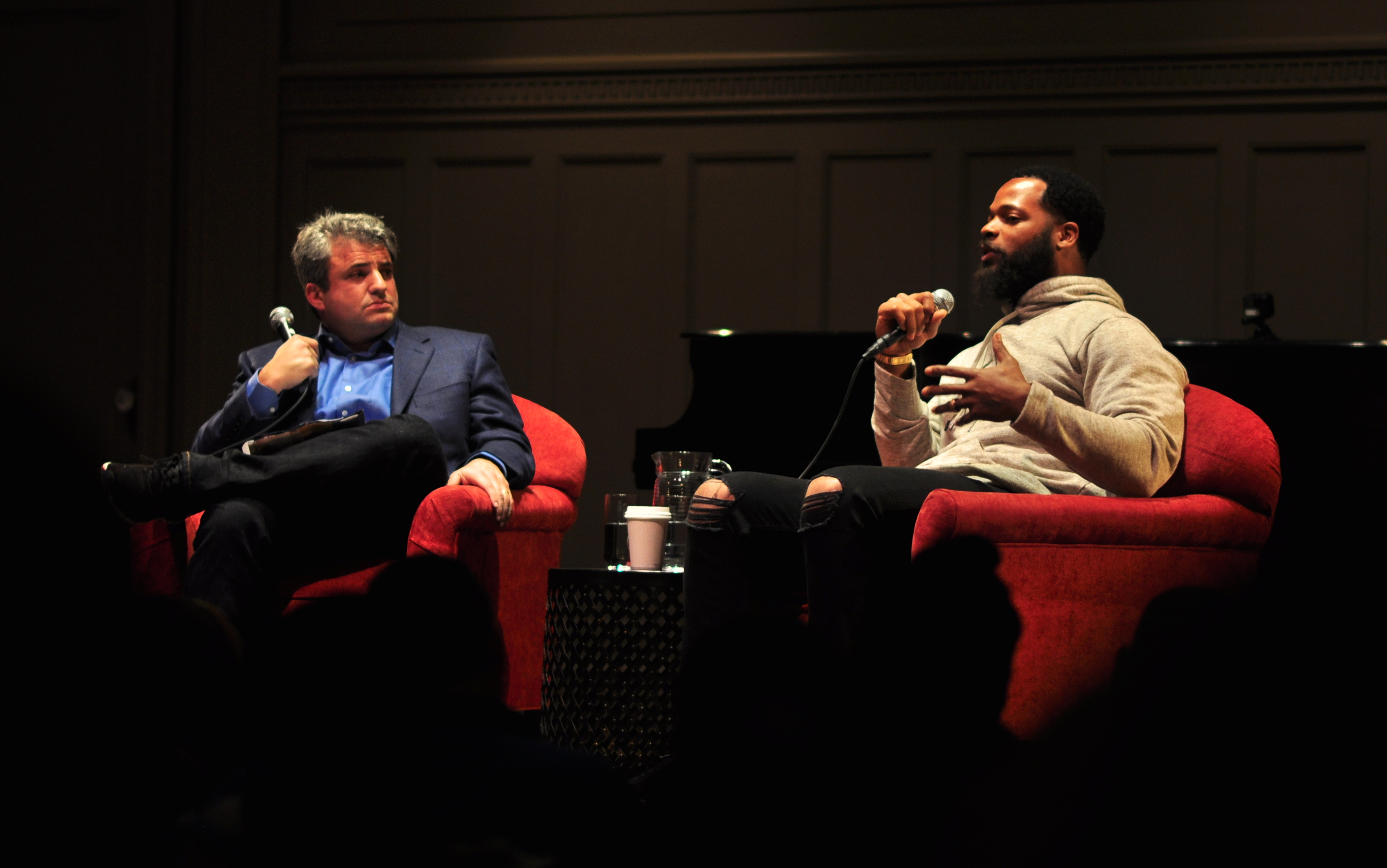
Author Dave Zirin has released a new biography titled "The People's Historian: The Outsized Life of Howard Zinn" this month [1, 2].
The work provides a comprehensive look at Zinn's legacy, shifting the focus from his role as a scholar to his identity as an activist. By centering Zinn's engagement with social movements, Zirin argues that the historian's primary impact was felt in the streets rather than the classroom.
Zinn is widely known for his seminal work, "A People's History of the United States," which has sold millions of copies [1]. While that text redefined how many people view U.S. history, Zirin suggests that the academic side of Zinn's career was not his main priority.
"Being an academic was always secondary to being in the streets and making history, not just studying history," Zirin said [3].
The biography explores the philosophy that drove Zinn's lifelong commitment to social change. Zirin describes Zinn's approach to activism as a form of endurance and optimism. He notes that Zinn viewed the pursuit of justice as a continuous journey characterized by both success and failure.
"I know it sounds corny, but part of Howard Zinn's secret—the reason he saw hope as a discipline—was that he saw life as an adventure, with triumphs and tragedies," Zirin said [2].
By documenting these experiences, the book seeks to provide a blueprint for modern activists. Zirin emphasizes that Zinn did not believe in a predetermined outcome for social struggles, but rather in the necessity of the struggle itself, a perspective that informs the narrative of the biography.
“"Being an academic was always secondary to being in the streets and making history, not just studying history."”
The publication of this biography signals a shift in the posthumous framing of Howard Zinn's legacy. Rather than treating him primarily as a disruptor of traditional historiography, the work positions him as a practitioner of activism who used history as a tool for mobilization. This emphasizes a model of 'scholar-activism' where academic output is viewed as a byproduct of direct political engagement.


