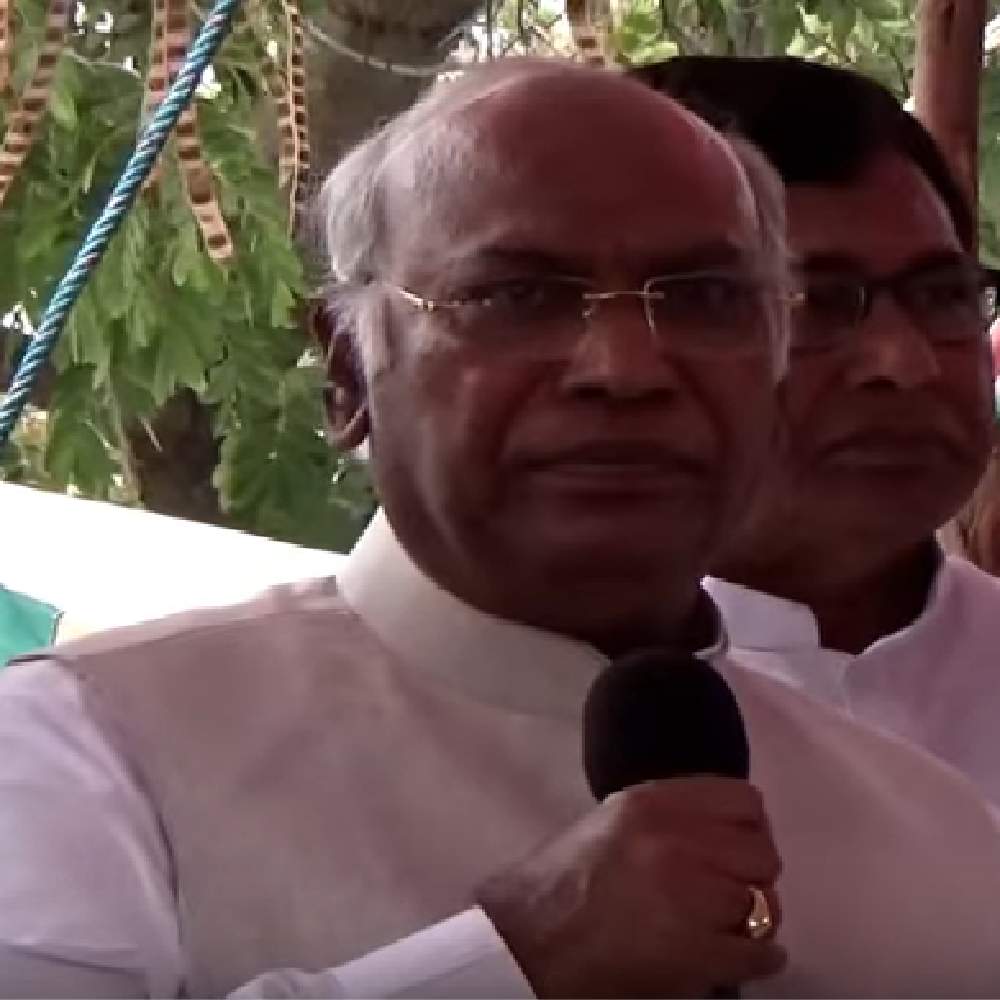
Opposition leader Rahul Gandhi and other officials are demanding a parliamentary discussion following a violent police clash with protesters in Delhi on Monday [1, 2].
The confrontation marks a significant escalation in tensions between the Cockroach Janta Party (CJP) and government authorities. The demand for a formal debate in Parliament indicates that opposition leaders view the police response not as a local security matter, but as a broader issue of civil liberties and state conduct.
The incident occurred at Jantar Mantar, where CJP members gathered to protest against police brutality and call for the resignation of Minister Dharmendra Pradhan [3, 4]. During the demonstration, Delhi police engaged protesters in a lathi-charge, which resulted in injuries to students and the detention of CJP founder Abhijeet Dipke [3].
Reports regarding the specific force used by authorities vary. Some accounts state that police utilized lathi-charges to disperse the crowd [3], while other reports allege that police fired pellet guns at the demonstrators [5].
Authorities have since detained 70 people on charges including rioting, assault on public servants, and damage to property [5]. The crackdown has drawn the attention of high-ranking officials, including Union minister JP Nadda and CJP members Saurav Das and Ashutosh Ranka [1, 2].
Rahul Gandhi said the police action was an act of brutality and called for immediate accountability within the legislative body [1]. The opposition's push for a parliamentary discussion seeks to force the government to address the grievances of the CJP, and the conduct of the Delhi police on the record.
Despite the detentions and the clashes, some demonstrations have resumed at Jantar Mantar as supporters continue to push for the resignation of Minister Pradhan [5].
“Rahul Gandhi and other officials are demanding a parliamentary discussion following a violent police clash.”
The clash at Jantar Mantar transforms a specific political grievance into a national legislative issue. By demanding a parliamentary discussion, the opposition is attempting to leverage the police action to put the current administration on the defensive regarding human rights and the use of force against peaceful assembly. The contradiction in reports regarding pellet guns versus lathi-charges suggests a contested narrative of the event that will likely be the central point of contention during any official inquiry.