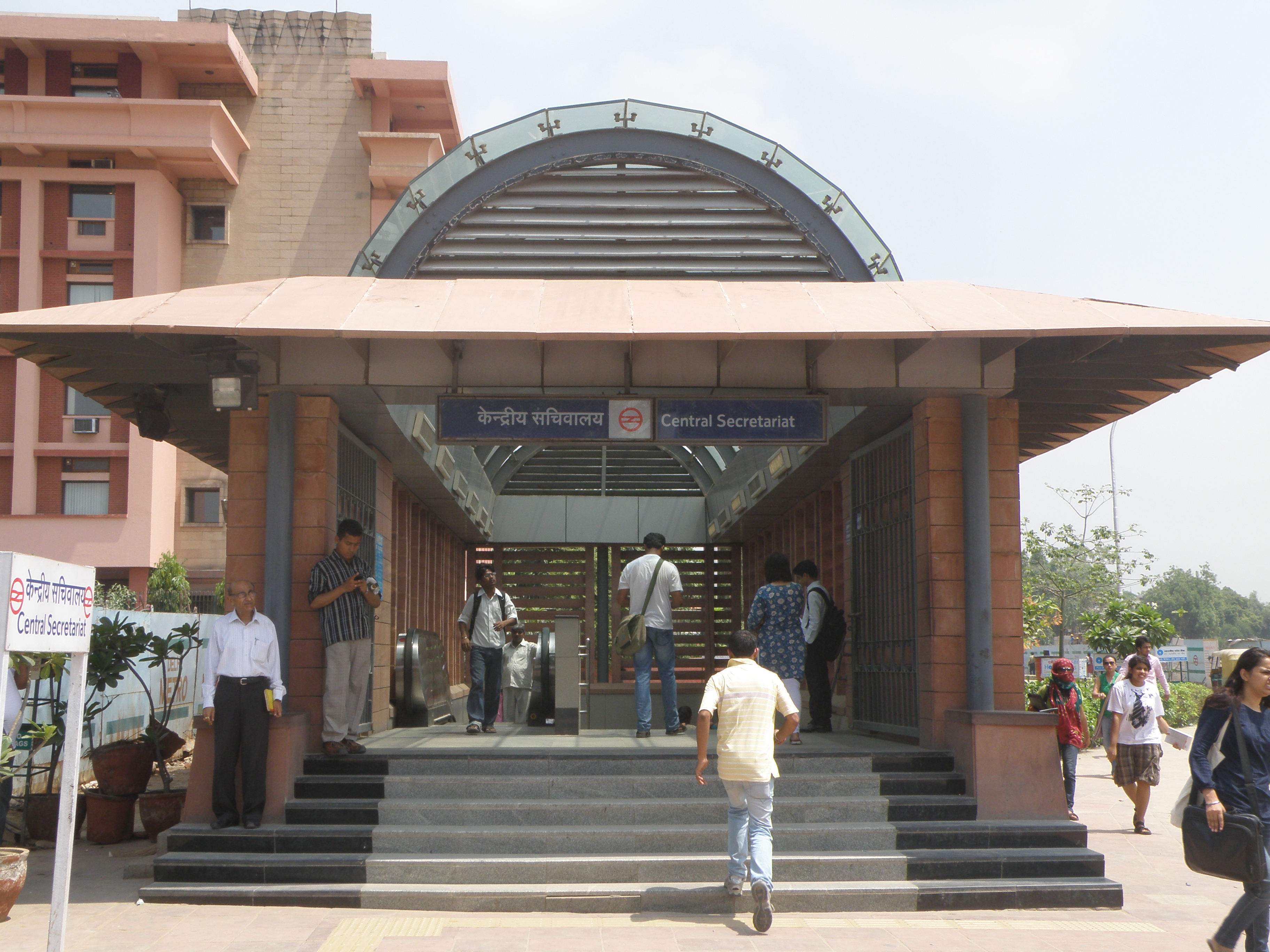
Delhi Chief Minister Rekha Gupta traveled to the Delhi Secretariat by metro and DTC bus on Monday to promote the 'Metro Monday' initiative [1, 2].
The gesture is part of a broader effort to encourage citizens to use public transport to save fuel and reduce urban pollution [1, 2]. By utilizing the city's transit infrastructure, the Chief Minister aims to lead by example in a city frequently struggling with air quality and traffic congestion.
The 'Metro Monday' campaign draws inspiration from a fuel-conservation appeal made by Prime Minister Narendra Modi [1, 2]. The initiative suggests that a collective shift toward public transit can significantly lower the carbon footprint of the capital's workforce.
Reports on the commute varied slightly, with some noting the use of the metro train [1] and others specifying a combination of the metro and a feeder bus to reach the office [2]. Despite the variation in the specific transit legs, the primary goal remains the promotion of the Delhi Transport Corporation (DTC) and the metro system.
Public transport advocacy in New Delhi often focuses on the intersection of infrastructure and environmental health. The 'Metro Monday' push seeks to normalize the use of trains and buses for high-ranking officials, signaling that public transit is a viable and efficient option for all residents, regardless of their social or political status [1, 2].
“Delhi Chief Minister Rekha Gupta traveled to the Delhi Secretariat by metro and DTC bus”
This initiative reflects a strategic alignment between the Delhi state government and the central government's fuel-conservation goals. By associating the Chief Minister's daily commute with public transit, the administration is attempting to shift public perception of the metro and DTC buses from basic utilities to preferred environmental choices, potentially increasing ridership to combat New Delhi's chronic pollution.


