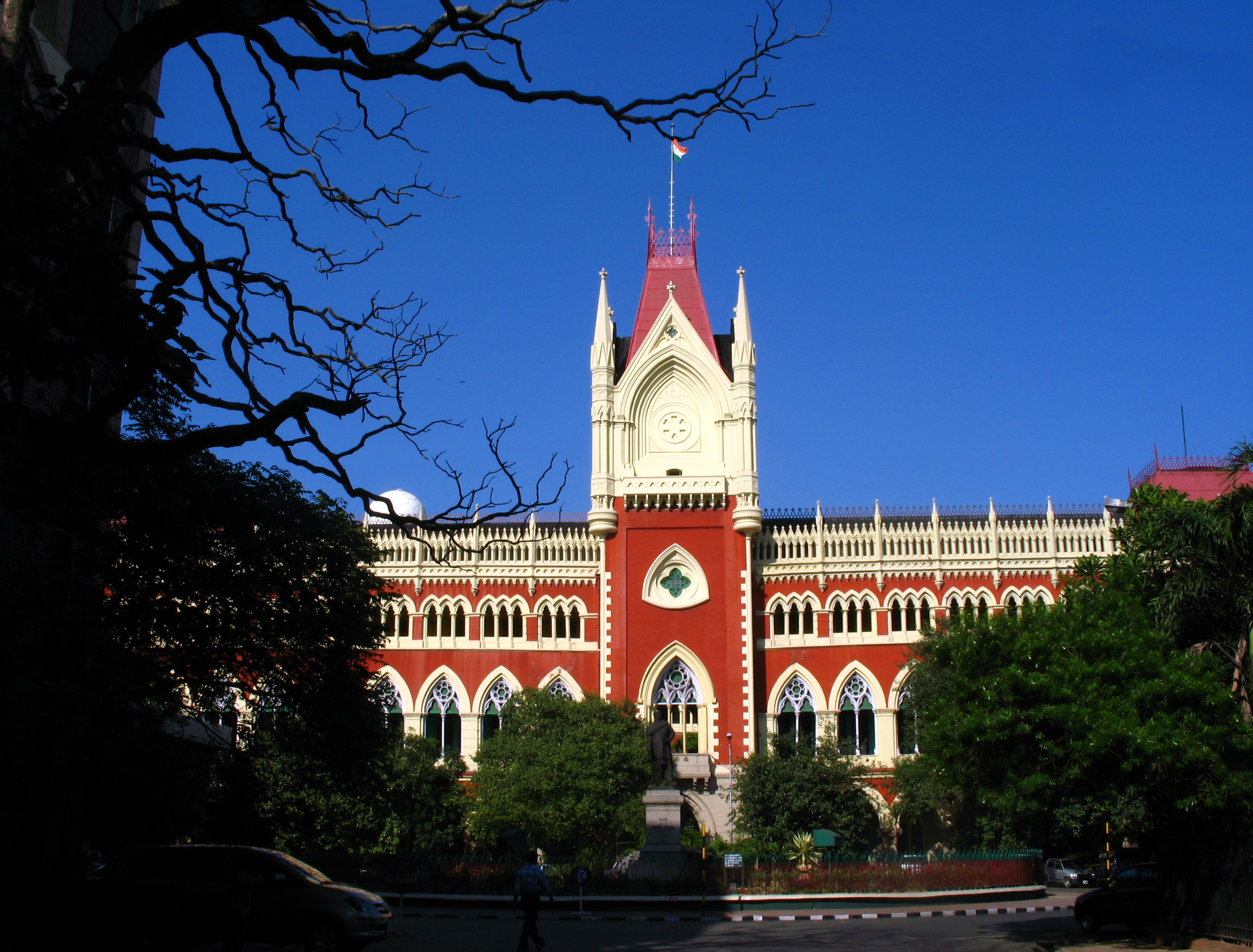
The Delhi High Court stayed a government notification requiring private schools to form fee regulation committees and froze fee hikes for the 2026-27 academic session [1, 2].
This ruling halts a significant effort by the Delhi government to curb tuition increases and introduces a period of uncertainty for both educational institutions and parents regarding the cost of schooling for the coming year.
A bench consisting of Chief Justice D K Upadhyaya and Justice Tejas Karia issued the stay on March 1, 2026 [1, 2]. The court's decision directly affects a Feb. 1, 2026, notification from the Delhi government [3] that mandated the creation of School-Level Fee Regulation Committees (SLFRC) within private institutions.
Private schools filed petitions challenging the legality and implementation of the mandate. In response to these challenges, the court deferred the implementation of the notification pending further hearings [2]. Earlier in the legal process, the court had extended the deadline for schools to constitute these fee panels to Feb. 20, 2026 [4].
The freeze on fee hikes ensures that the status quo remains for the 2026-27 academic session [1]. This prevents schools from implementing new increases while the legal battle over the SLFRC continues. The ruling comes amid government assertions that private schools should not collect unregulated fees starting April 1, 2026 [5].
By staying the notification, the court has effectively paused the government's mechanism for regulating school fees at the institutional level. The private schools argued that the mandate was an overreach of authority, a claim the court is now reviewing in detail.
“The Delhi High Court stayed a government notification requiring private schools to form fee regulation committees.”
This judicial intervention creates a temporary stalemate between the Delhi government's regulatory ambitions and the autonomy of private educational institutions. By freezing fee hikes for the 2026-27 session, the court has prevented immediate financial volatility for parents while ensuring that schools are not forced to comply with a regulation that may eventually be deemed unlawful. The outcome of the pending hearings will likely set a precedent for the extent of state control over private school pricing in India.


