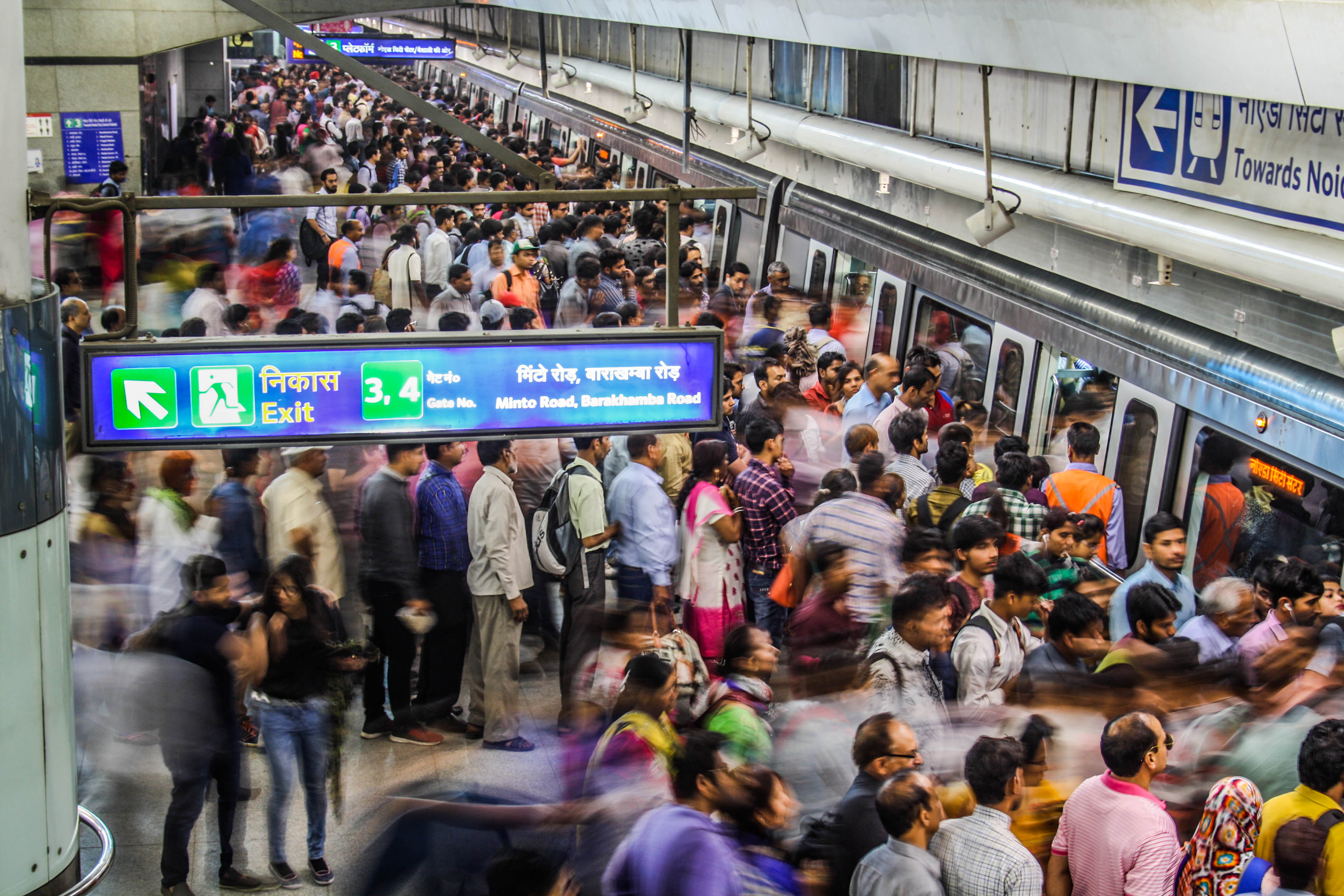
The Delhi Metro Rail Corporation shut 16 stations on Wednesday following a security alert tied to ongoing protests [1].
These closures disrupt one of the region's primary transit arteries during a period of civil unrest. The decision reflects the scale of the security concerns surrounding the National Eligibility cum Entrance Test (NEET) paper-leak demonstrations.
The DMRC implemented the closures to manage heightened security arrangements [1]. Affected locations include Janpath, Patel Chowk, and Central Secretariat [1]. While these stations are closed to the general public, the Rajiv Chowk interchange facility remains open to allow passengers to switch lines [2].
Authorities have not specified the exact duration of the closures. The move aims to prevent large crowds from gathering at key transit hubs, a common strategy during high-tension protests in the capital.
Commuters are advised to check official DMRC updates for the most current status of the 16 affected stations [1]. The operational status of the Rajiv Chowk interchange is critical for maintaining basic connectivity across the network [2].
“The Delhi Metro Rail Corporation shut 16 stations on Wednesday following a security alert.”
The strategic closure of specific stations while maintaining a central interchange suggests a targeted effort by the DMRC and security forces to prevent protest assembly points without completely paralyzing the city's transit infrastructure. This balance indicates that while the security threat is deemed significant enough to warrant station shutdowns, the priority remains keeping the core network functional to avoid total urban gridlock.


