Delhi Police and paramilitary personnel used lathi charges and tear gas to disperse protesters from the Cockroach Janta Party (CJP) on Monday [1, 2].
The clash occurred on the opening day of the Monsoon Session of Parliament, highlighting escalating tensions over national education standards and government accountability. The protesters sought to march toward Parliament House to demand the resignation of Education Minister Dharmendra Pradhan following alleged irregularities and a leak in the NEET medical entrance exam [2, 3].
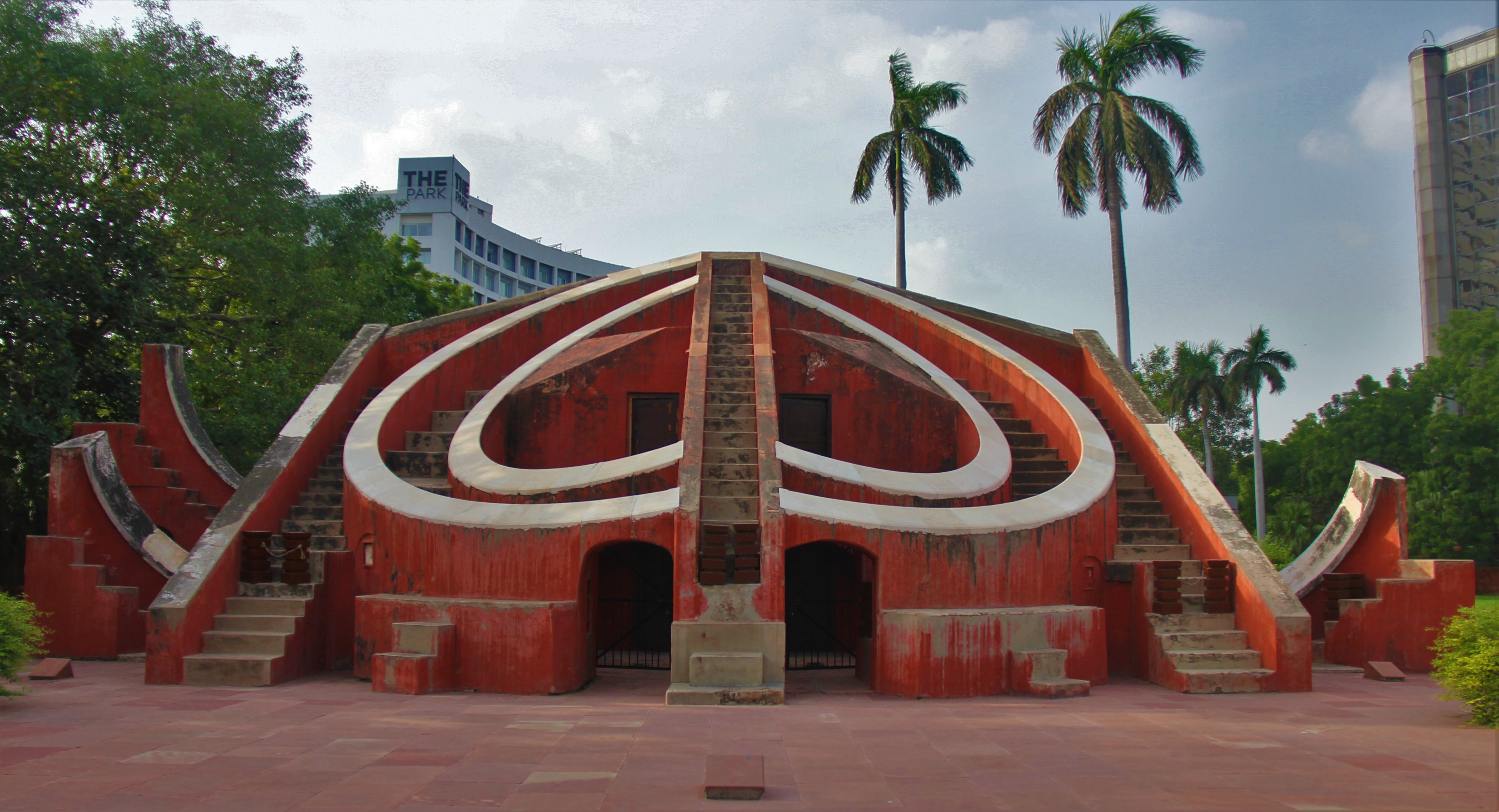
Thousands of people gathered at Jantar Mantar in New Delhi [1]. Among the crowd were hundreds of students and youth activists [1]. The situation turned chaotic after police denied the group permission to proceed with their march to the Parliament building [2].
Security forces deployed sticks and tear-gas shells to push back the crowd [1, 2, 3]. The confrontation resulted in injuries to several protesters and police officers [1, 2]. While some reports noted several injuries, other sources said that more than 50 police officers were injured [4].
Authorities detained between 10 and 15 protesters during the operation [5]. Reports also indicated that several police vehicles were damaged during the unrest [4].
Delhi remained on high alert as the CJP-led protests intensified [3]. The protesters said that the NEET exam leak undermined the meritocratic process for medical admissions, necessitating a leadership change within the education ministry [2, 3].
“Delhi Police and paramilitary personnel used lathi charges and tear gas to disperse protesters”
The clash at Jantar Mantar underscores a growing volatility among India's youth regarding the integrity of competitive examinations. By timing the protest to coincide with the opening of the Monsoon Session, the Cockroach Janta Party aimed to maximize political pressure on the administration. The use of force by security personnel and the subsequent detentions suggest a tightening of security protocols around the capital's legislative hub during periods of high-stakes public grievance.


