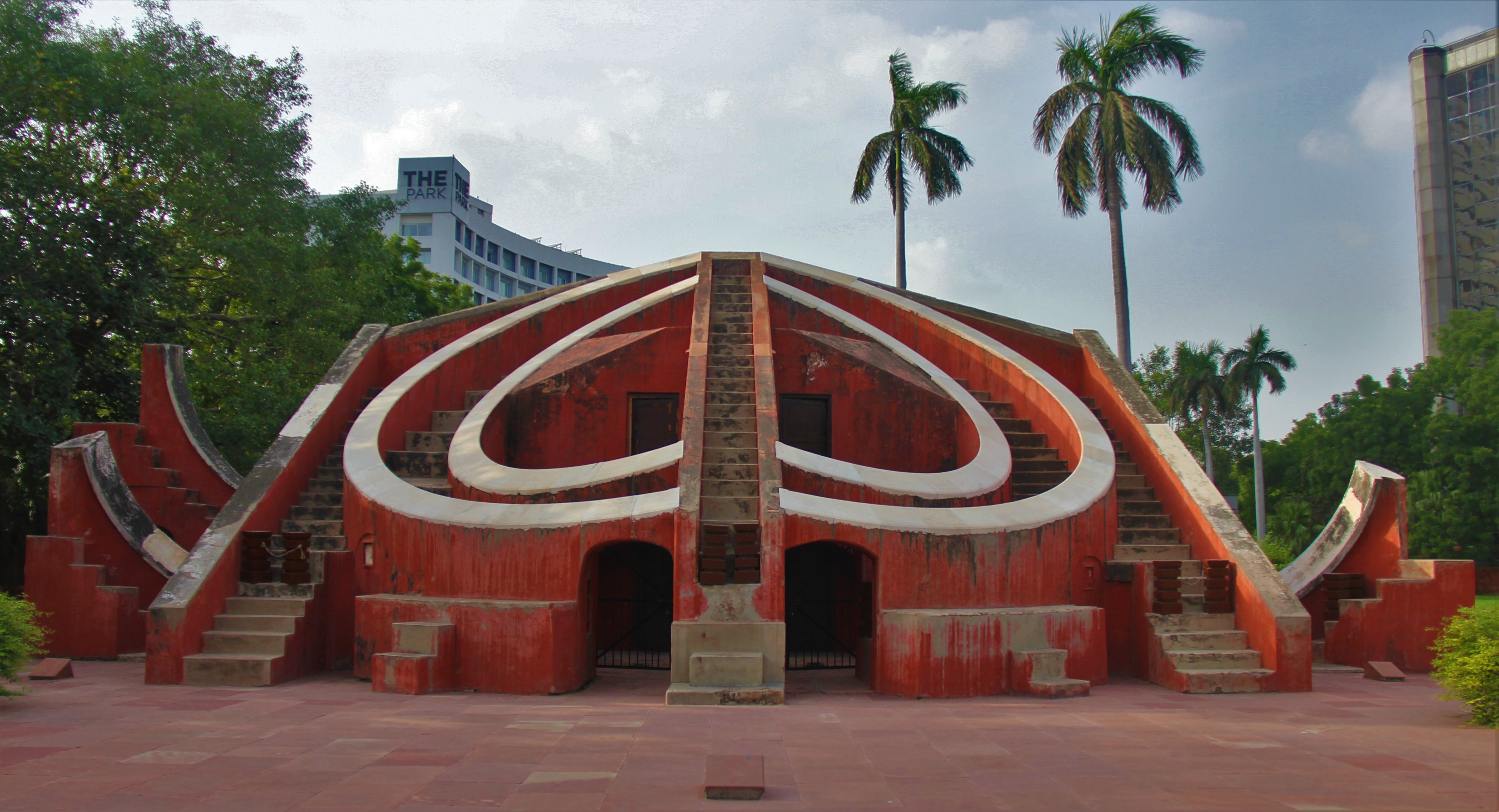
Delhi Police denied allegations of using excessive force against student protesters during a rally at Jantar Mantar on July 20, 2026 [1].
The dispute highlights a growing tension between student activists and law enforcement over the limits of crowd control and the use of anti-riot weaponry in the capital.
Police officials said the deployment of force was a graded response to a volatile situation. According to the department, a crowd of over 30,000 people [1] breached security barricades and attempted to march toward Parliament. A Delhi Police spokesperson said, "5,000 cops tried to manage 30,000+ protesters" [1].
While the department maintains that its actions were necessary to maintain order, other reports suggest a more aggressive approach. A Deputy Commandant-rank RAF officer said that personnel deployed in Zone 1 at Jantar Mantar were directed by a DCP to use anti-riot measures, including pellet guns [2]. This testimony contradicts the official police narrative that only graded force was employed.
Beyond the violence, the Delhi Police addressed rumors regarding the accessibility of the protest site. The spokesperson said, "The reports that Jantar Mantar has been locked are entirely false, misleading, and devoid of facts" [1].
The incident has prompted further investigation into the tactics used during the protest. Reports indicate that authorities are probing the use of AI-assisted tactics during the event to manage the large volume of demonstrators [3].
Despite the scale of the clash, the Delhi Police continue to reject claims of misconduct. They said that the violence erupted only after the crowd ignored warnings and forced their way through security perimeters [1].
“"5,000 cops tried to manage 30,000+ protesters."”
The contradiction between the Delhi Police's claim of 'graded force' and the RAF officer's testimony regarding pellet guns suggests a significant gap in official reporting. The mention of AI-assisted tactics further indicates that New Delhi is integrating new surveillance and management technologies into its policing of civil unrest, which may lead to further legal challenges regarding protesters' rights.


