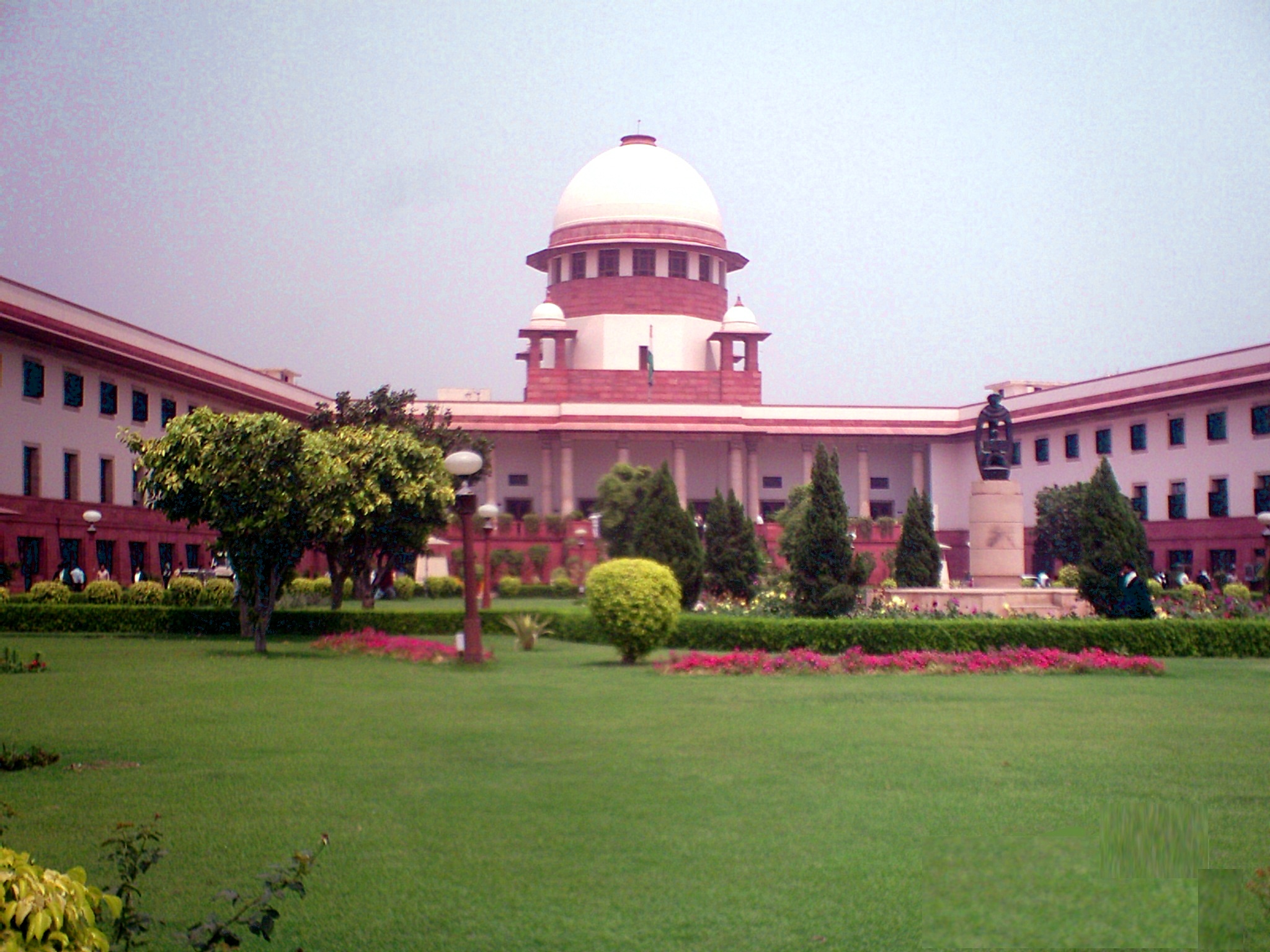
The Delhi government and the Supreme Court of India have implemented work-from-home arrangements to conserve fuel and reduce public congestion.
This shift occurs as the city faces simultaneous crises: a surge in energy costs and widespread public anger following a medical exam leak that highlighted systemic failures. The move represents an unusual coordination between executive and judicial branches to mitigate the impact of rising costs on the populace.
Fuel prices have climbed recently, with petrol and diesel increasing by three rupees per litre [1]. Compressed Natural Gas, or CNG, has also risen by two rupees per litre [2]. These hikes follow a period of four years where fuel prices had remained frozen [5].
The price adjustments come as oil marketing companies reported daily losses of 1,000 crore rupees before the hike [4]. The broader energy crisis is exacerbated by international instability, specifically the closure of the Strait of Hormuz, which has disrupted 45% of India's crude oil supply [3].
While the remote work policy aims to lower fuel consumption, it coincides with a volatile social climate. Public outrage has intensified after a medical exam leak revealed failures in the administration of professional certifications. The government has not specified the exact duration of the work-from-home mandate, but the measure serves as a temporary relief for commuters facing higher transport costs.
Officials said the decision was necessary to stabilize the situation while the government addresses the systemic issues that led to the exam leak. The Supreme Court's adoption of these measures suggests a high level of urgency regarding the city's current logistical and social instability.
“The Delhi government and the Supreme Court of India have implemented work-from-home arrangements to conserve fuel.”
The decision to move government and judicial operations online reflects a rare convergence of economic pressure and social unrest. By linking fuel conservation to a period of public outrage over systemic failures, the administration is attempting to reduce the physical friction of city life to prevent further escalation of protests while managing a critical energy supply shock.


