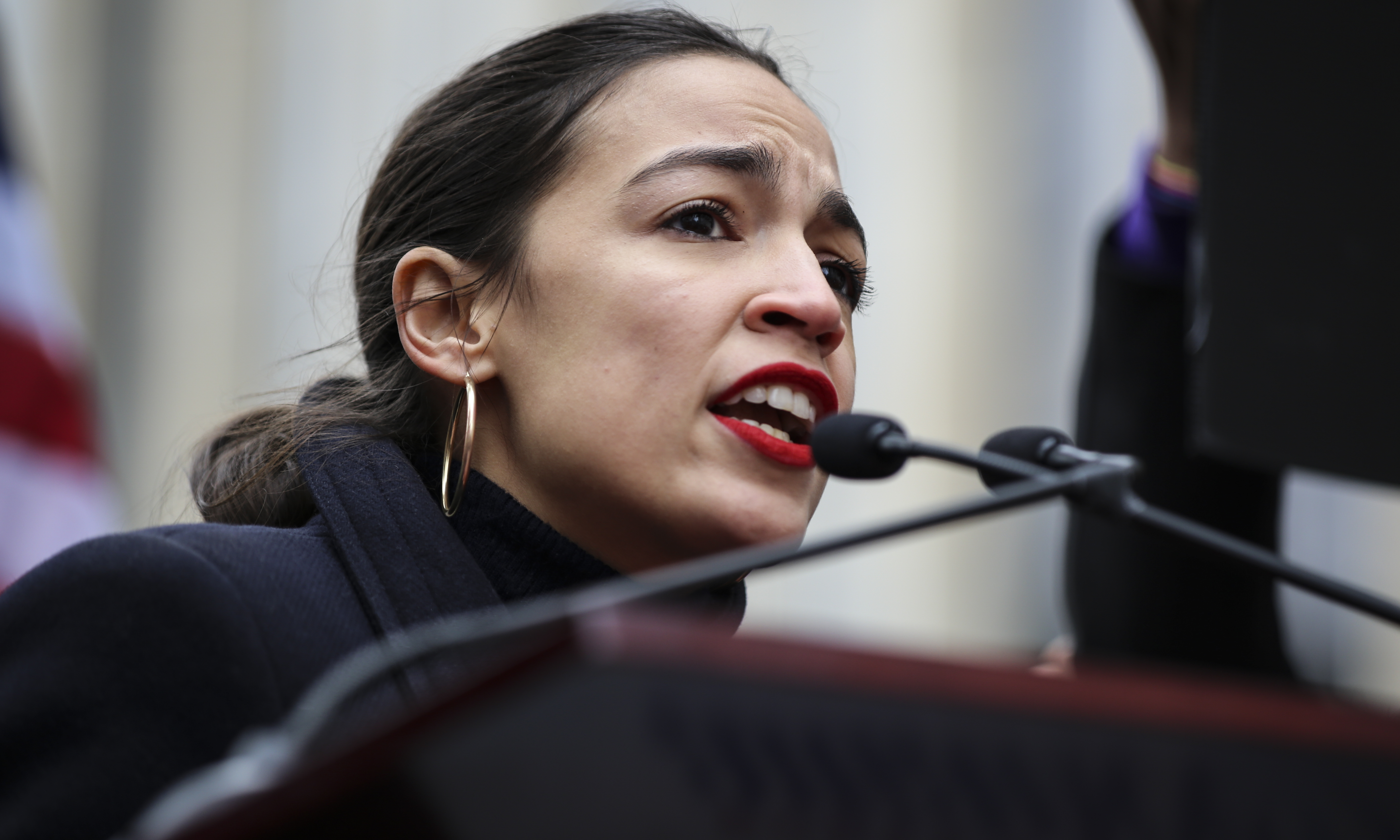
Democratic Socialist candidates won key primaries in New York this month, fueling internal tensions within the Democratic Party over the movement's growing influence [1].
These victories signal a potential shift in the party's ideological center. The success of these candidates brings controversial statements and social-media posts into the mainstream, forcing party leadership to reconcile traditional platforms with a more radical left-wing base [1, 2].
Among the victors is Darializa Avila Chevalier, a congressional candidate running under the Democratic Socialist banner [1]. The movement's momentum is further highlighted by NYC Council member Zohran Mamdani, who has become a focal point for the party's left wing [1, 3].
During a panel on MSNBC's "Morning Joe," Mamdani said, "Democratic Socialist candidates can get elected anywhere" [2]. This assertion comes as political analysts observe the movement's expansion beyond New York City. There is now speculation that this trend could impact other major races, including the mayoral contest in Los Angeles [1, 3].
Some strategists suggest these local wins are precursors to a larger national movement. Specifically, discussions have emerged regarding the "Mamdani effect," and its potential to create a path for a left-wing president in 2028 [3].
While the party celebrates the high turnout and energy brought by these candidates, the friction remains. The debate centers on whether the Democratic Party can maintain a broad coalition while integrating candidates whose rhetoric often challenges the established party line [1, 2].
“Democratic Socialist candidates can get elected anywhere.”
The rise of Democratic Socialist victories in New York suggests a shift in the Democratic primary electorate's appetite for progressive policy and rhetoric. If this trend extends to other urban centers like Los Angeles, the party may face a structural realignment that prioritizes left-wing populism over centrist pragmatism leading into the 2028 election cycle.


