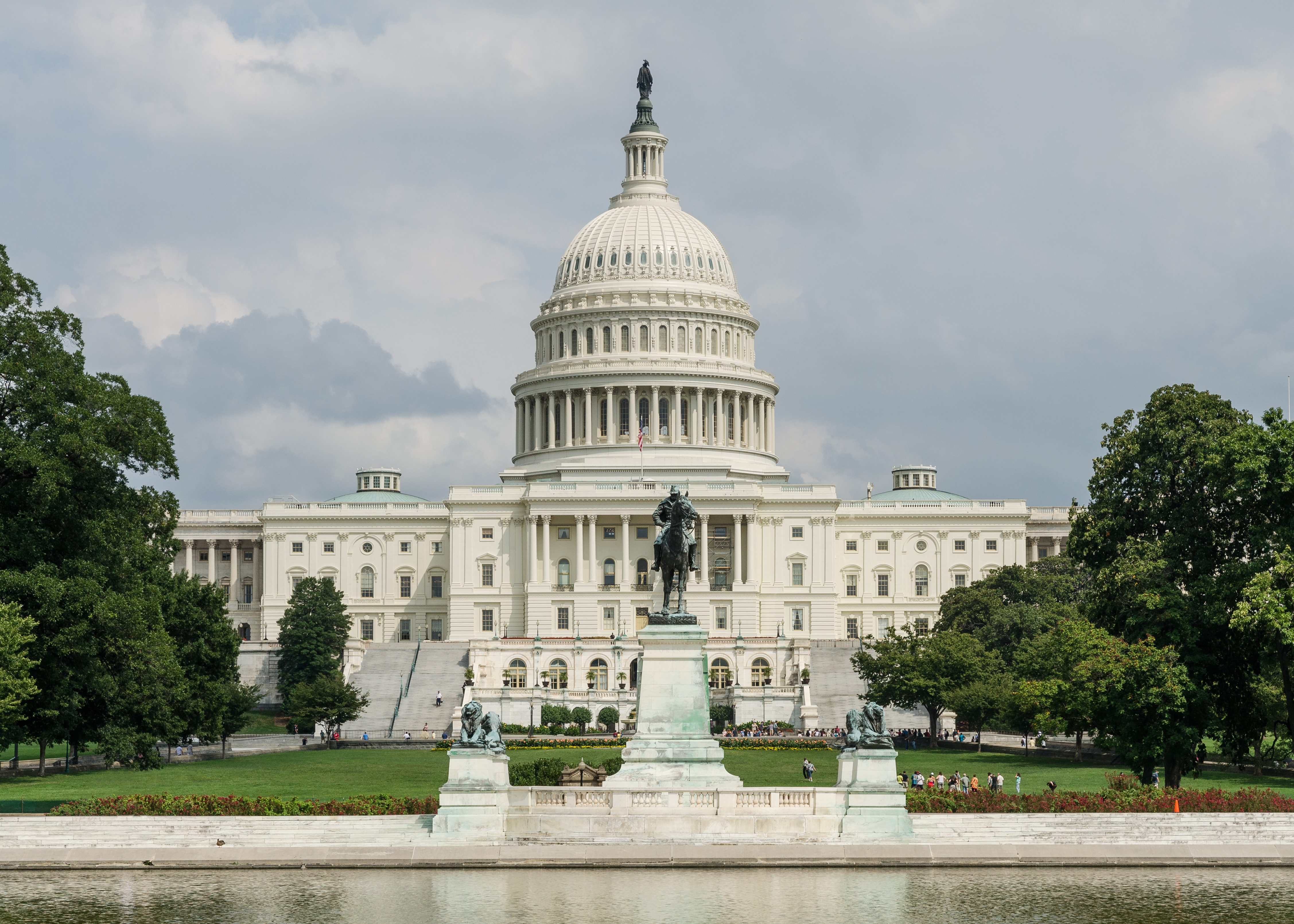
Five Democratic members of Congress attended the State of the Union address on Feb. 7, 2024 [1], [3].
The attendance marks a moment of heightened political tension as Democrats escalate their opposition to the administration's foreign policy. This friction centers on the risk of military escalation and the potential for a third impeachment effort [2].
Lawmakers intensified their criticism of President Donald Trump during the event in Washington, D.C. [1]. The primary driver of this hostility is the administration's rhetoric and maneuvers regarding Iran [2]. Some Democrats have issued public statements urging the president to restart the war, while others are pushing for formal accountability through the impeachment process [2].
This surge in criticism represents a doubling down on previous objections to the administration's war maneuvers [2]. While some lawmakers have pushed for more aggressive action, other political figures have suggested a different approach. Mayor Eric Adams said Democrats should dial down the temperature regarding their comparisons between Trump and Hitler [2].
The presence of five Democrats [1] at the Capitol event served as a backdrop for these competing narratives. The push for a third impeachment effort [2] highlights a deepening divide over how the U.S. should handle tensions with Iran, and the legality of the president's actions.
Despite the small number of attendees, the impact of their statements has amplified the debate over the administration's strategy. The conflict remains centered on whether the current trajectory of U.S. policy in the Middle East necessitates a legislative intervention to prevent further escalation [2].
“Five Democratic members of Congress attended the State of the Union address on Feb. 7, 2024.”
The escalation of rhetoric toward a third impeachment effort signifies a shift from policy disagreement to a constitutional challenge. By linking the administration's Iran maneuvers to an impeachment framework, Democrats are attempting to establish a legal and political precedent for presidential accountability in foreign affairs, even as some allies warn that extreme comparisons may alienate moderate voters.