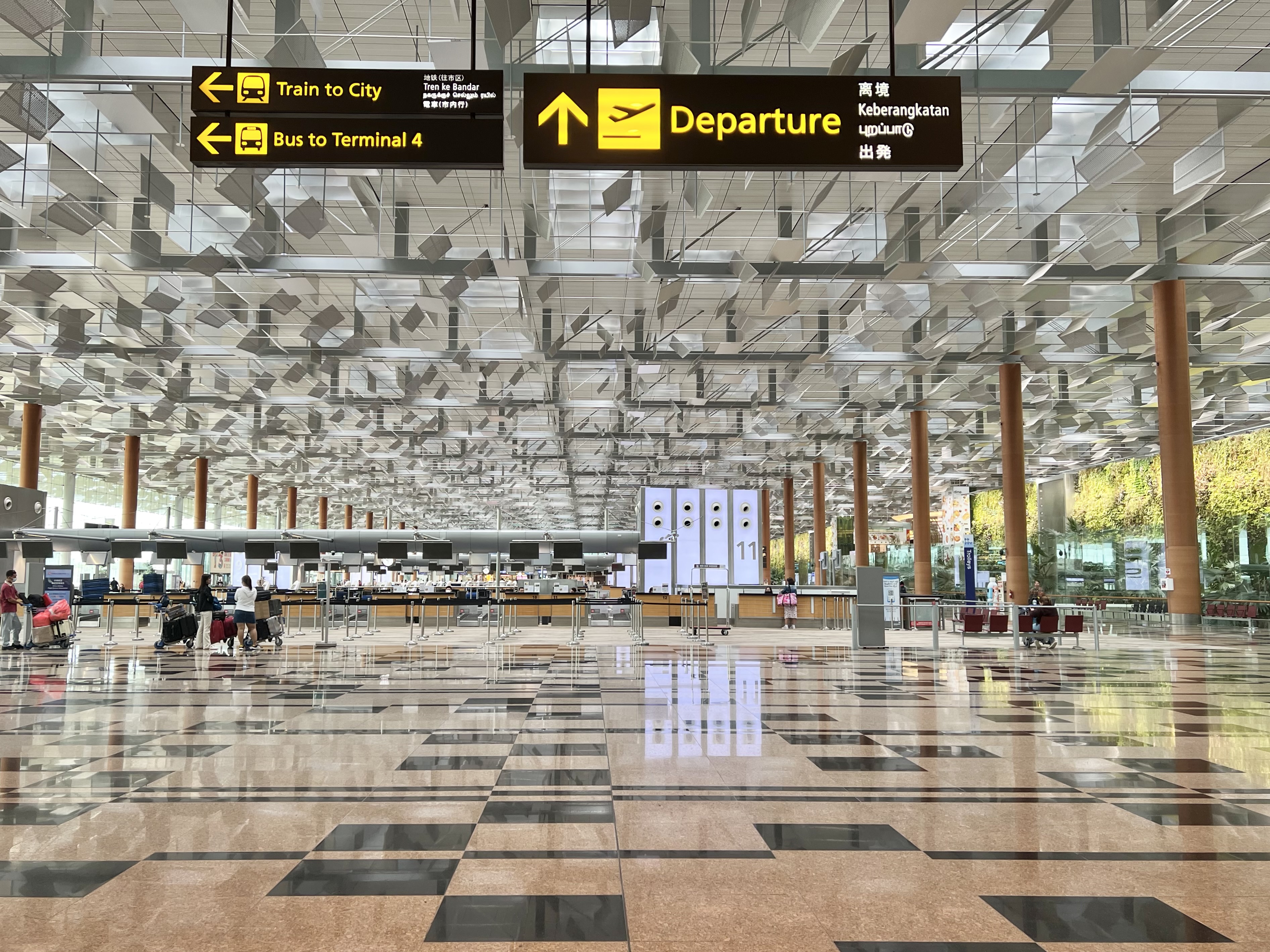
Severe thunderstorms caused more than 350 flight delays at Denver International Airport on Saturday afternoon, June 6, 2026 [1].
These disruptions highlight the recurring vulnerability of high-altitude aviation hubs to rapid weather shifts during the summer months. For travelers, these delays can result in missed connections and significant logistical challenges across the U.S. aviation network.
The weather event produced stormy conditions that disrupted standard flight operations at the airport in Denver, Colorado [1], [2], [3]. Airport officials said that the volume of delayed flights exceeded 350 [1].
To mitigate the impact of such events, Denver International Airport coordinates directly with the National Weather Service [2], [3]. This partnership allows the facility to prepare for incoming storm cells and manage ground traffic more effectively during volatile weather windows.
Travelers who book flights during the afternoon hours are at a higher risk of experiencing these delays [2], [3]. The airport said that its preparation protocols are designed to handle these predictable seasonal patterns, ensuring safety despite the operational setbacks.
Airport operations centers continue to monitor atmospheric conditions to minimize the duration of ground stops. By integrating real-time data from meteorological agencies, the airport aims to reduce the ripple effect that local storms have on national flight schedules [2], [3].
“Severe thunderstorms caused more than 350 flight delays at Denver International Airport”
The scale of these delays underscores the critical reliance of major U.S. transit hubs on predictive meteorological coordination. As extreme weather events become more frequent or intense, the ability of airports like DIA to integrate National Weather Service data into real-time operational shifts is the primary defense against total systemic collapse of regional flight schedules.