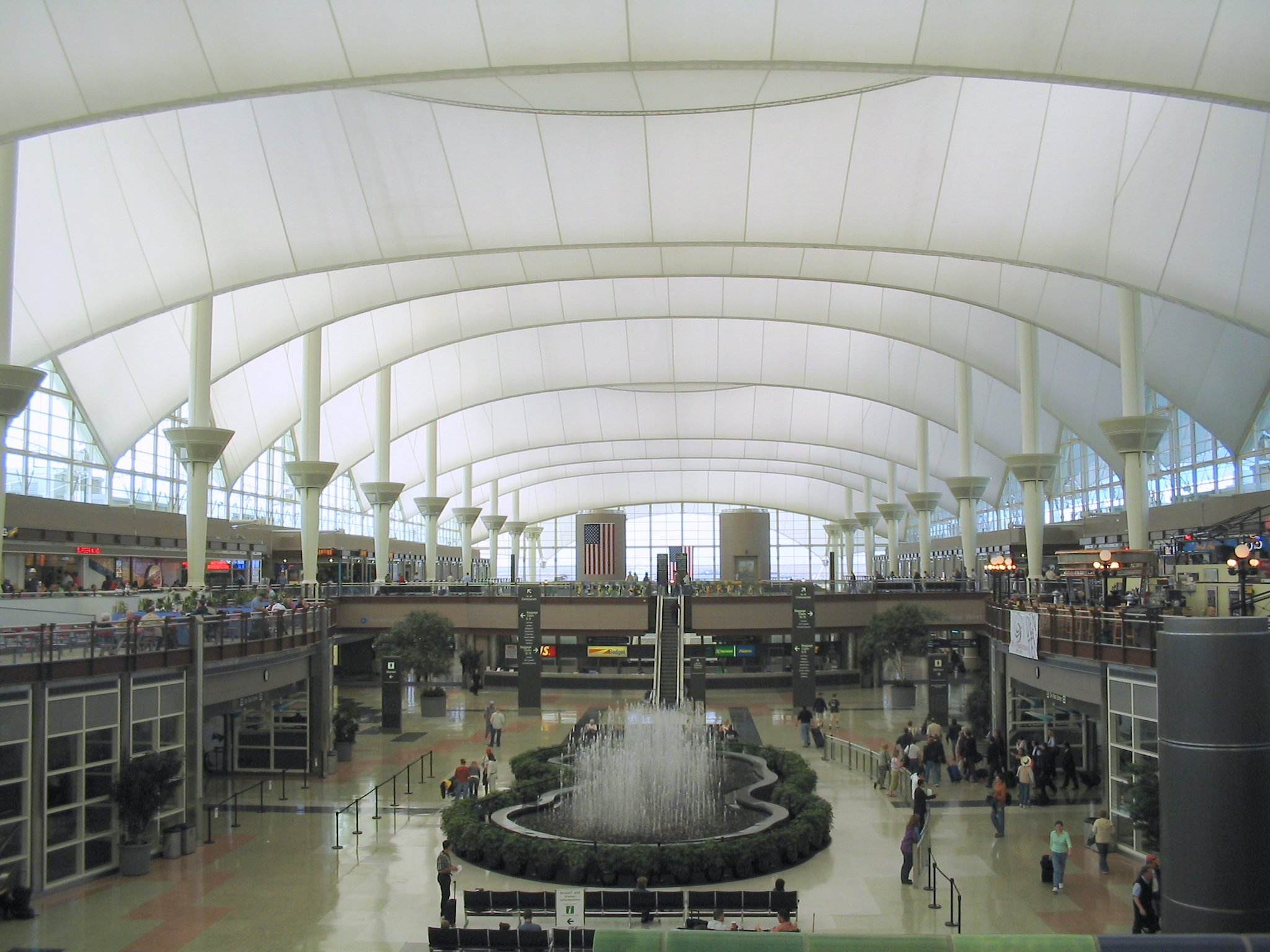
Denver International Airport issued a ground stop Wednesday evening after severe weather conditions halted all departing flights [1].
These disruptions highlight the vulnerability of major U.S. aviation hubs to rapid weather shifts, which can trigger cascading delays across the national airspace system.
The ground stop began at 6 p.m. [1] and remained in effect until 7:15 p.m. [1]. The pause in operations occurred as thunderstorms moved across the Front Range of Colorado [1]. Other reports indicated that high winds and tornado warnings in the region contributed to the hazardous conditions [2, 3].
Mike Carlson, the assistant director of airport operations, oversaw the response to the weather events [4]. The operational halt resulted in delays for approximately 900 flights [5].
This event follows a pattern of weather-related disruptions at the facility this year. A similar ground stop was issued on May 24, 2026, specifically due to high winds [6].
While some reports described the event as a ground delay [5], airport officials said they utilized a ground stop to ensure safety during the peak of the storm [1]. A ground stop is a more restrictive measure than a delay, as it prohibits any aircraft from taking off from the affected airport until the order is lifted.
“The ground stop began at 6 p.m. and remained in effect until 7:15 p.m.”
The frequency of ground stops at Denver International Airport, including a significant event in May 2026, underscores the impact of Colorado's volatile weather on global travel. Because Denver serves as a primary connecting hub, a short window of halted departures can create a ripple effect, delaying thousands of passengers and aircraft across multiple states.