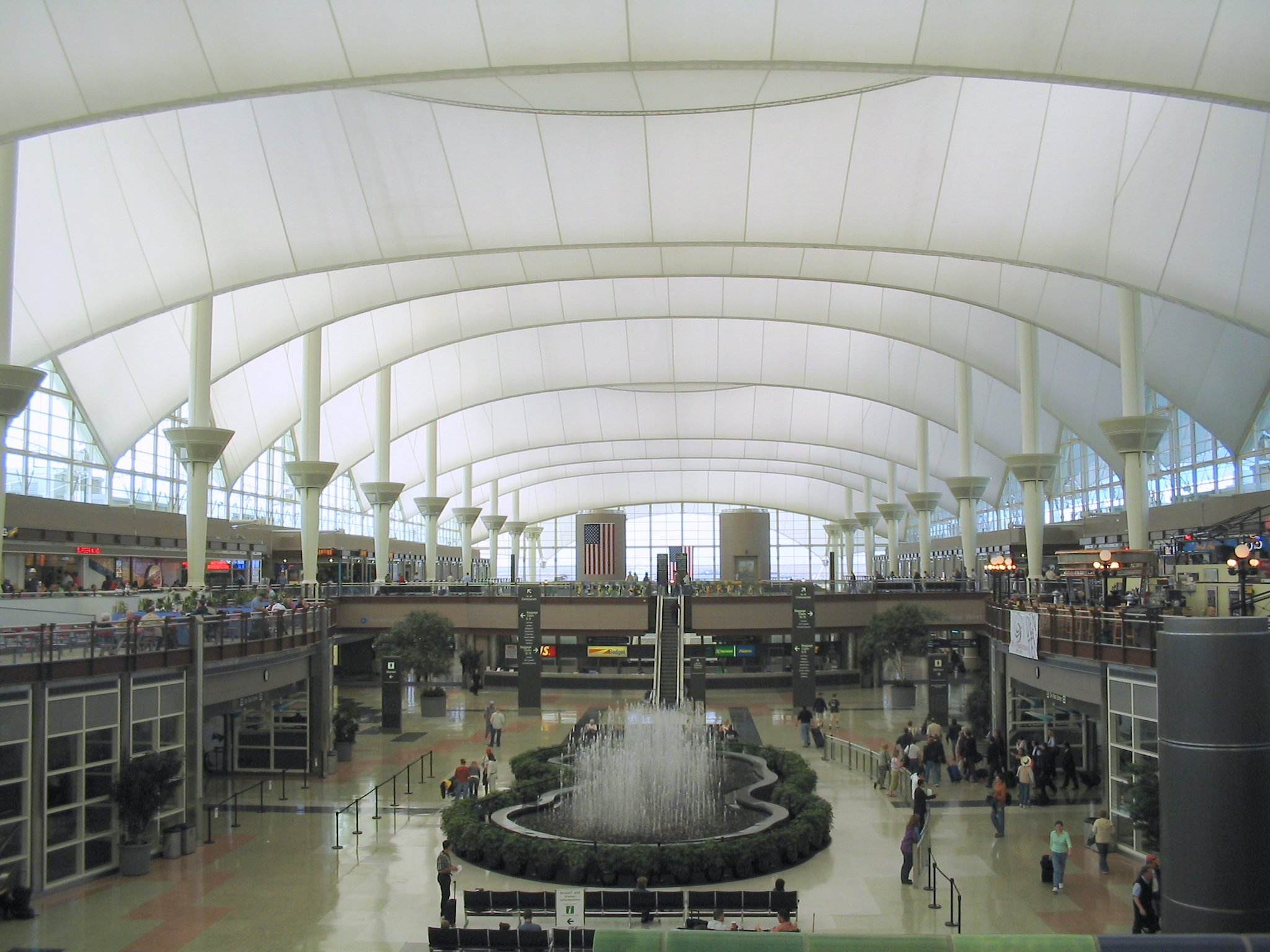
Temperatures in downtown Denver and at Denver International Airport reached 100°F on Monday, July 20, 2026 [1].
This spike marks a significant weather event for the region, as it is the first time the city has recorded a 100°F reading in over a year [1]. The sudden surge in heat poses risks to public health and infrastructure in the U.S. city.
City officials and residents experienced the peak of a regional heat wave that pushed temperatures well above seasonal averages [3]. According to reporting on the surge, temperatures were 25°F above average [3]. The extreme heat affected both the urban center and the airport, creating a widespread impact across the metropolitan area.
While the 100°F mark was officially hit on Monday [1], some reports indicate the temperature surge began as early as Sunday [3]. This volatility in temperature is characteristic of the current regional weather pattern affecting Colorado.
Local authorities have monitored the situation as the heat wave persists. The milestone temperature serves as a reminder of the region's vulnerability to extreme weather fluctuations, especially when temperatures deviate so sharply from the norm [3].
“Denver hits 100° for 1st time in over a year”
The return of triple-digit temperatures to Denver after a year-long absence highlights the volatility of regional heat waves. When temperatures exceed seasonal averages by 25°F, it increases the strain on power grids and public health systems, necessitating more aggressive urban cooling strategies to protect residents from heat-related illness.


